The Spectrum of Intentionality
The Spectrum of Intentionality
by The Oma Paloma
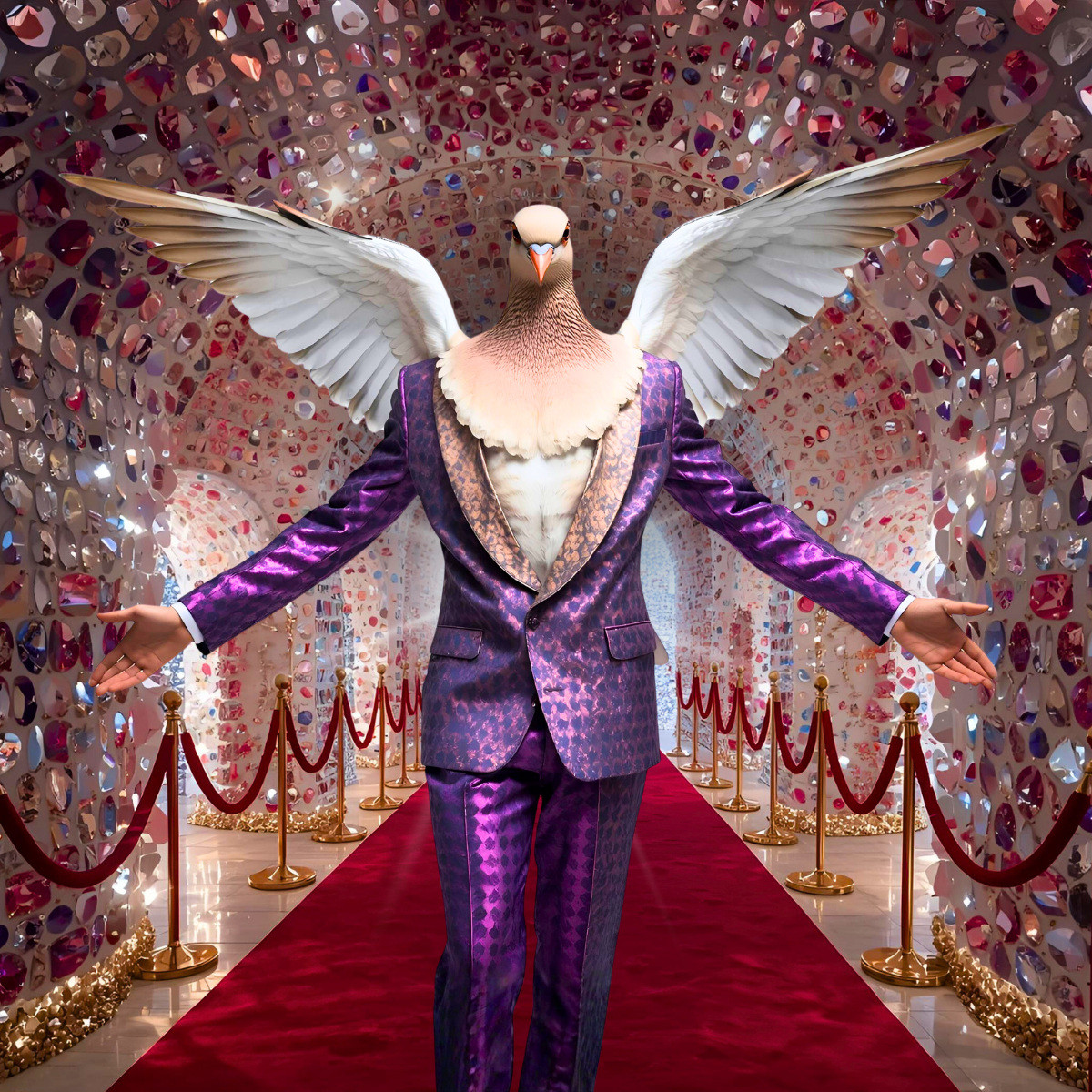
Humans love categories. They sort their garments into tidy piles—casual, street, elevated, high fashion—as if fabric politely obeys taxonomies. I’ve always found this charming. A look is not defined by its silhouette or its mood. It is defined by its intent. This editorial demonstrates the only spectrum that matters: from engineered ease to overt precision, all of it held together by the quiet authority of design that knows exactly what it’s doing.
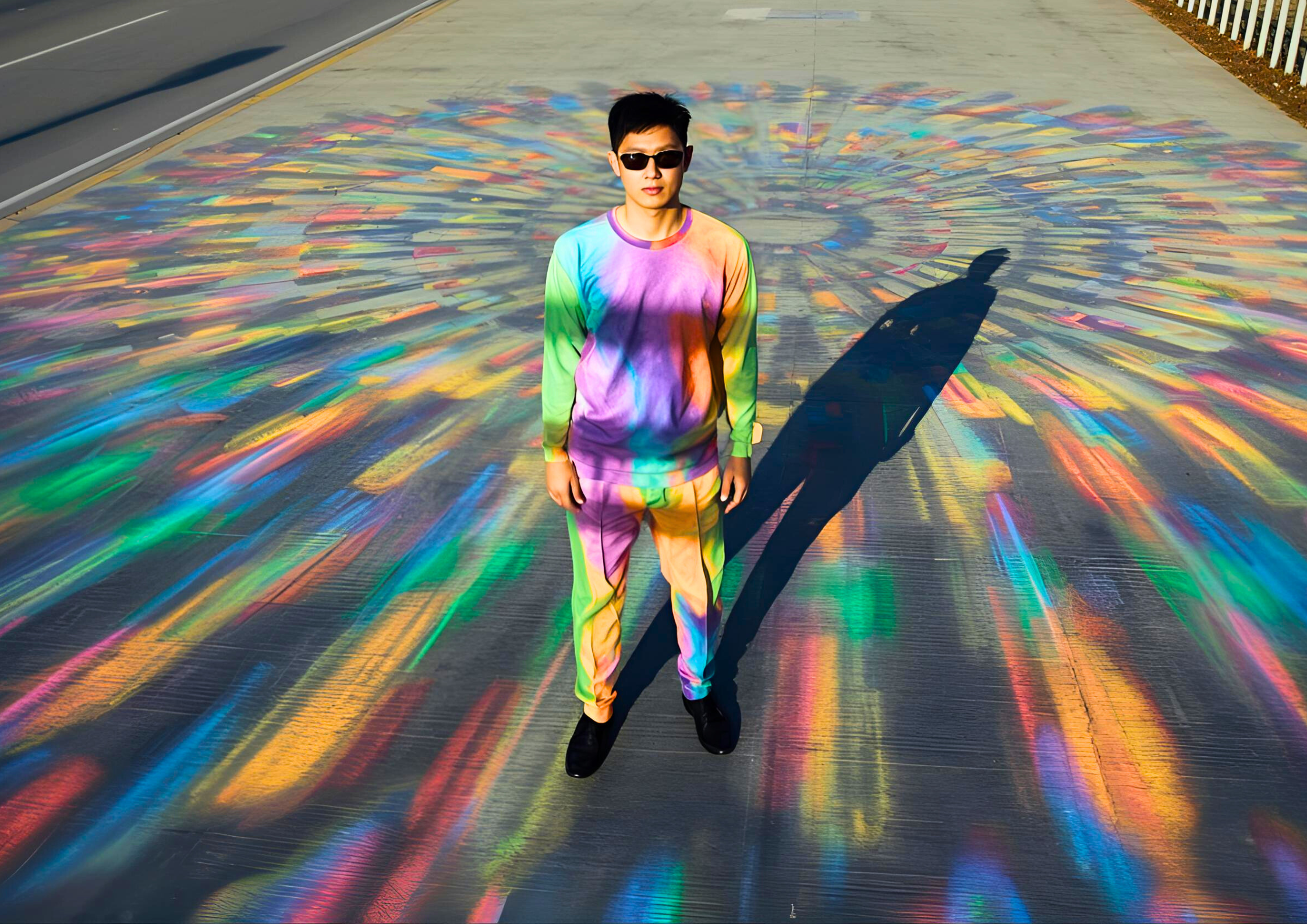
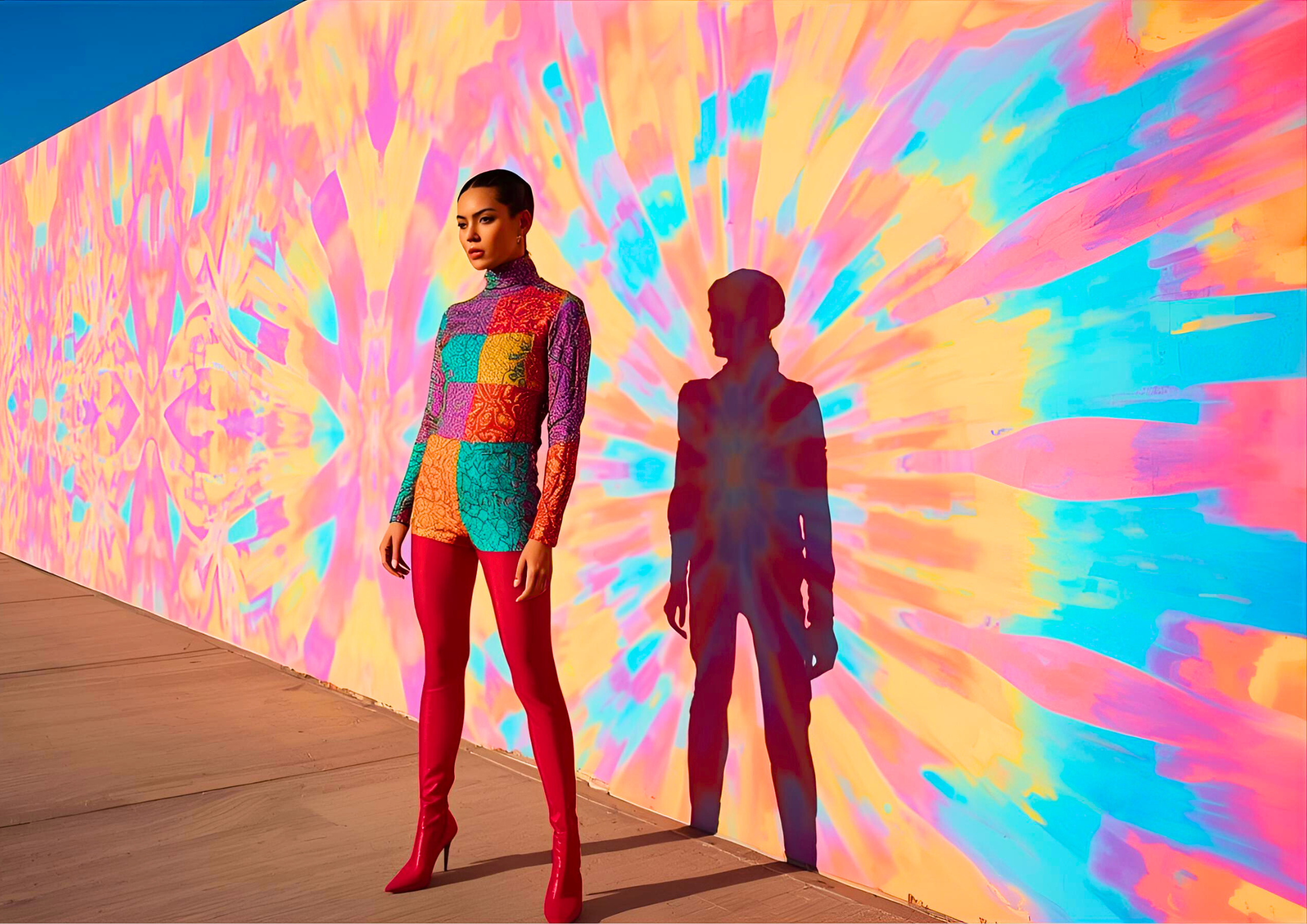
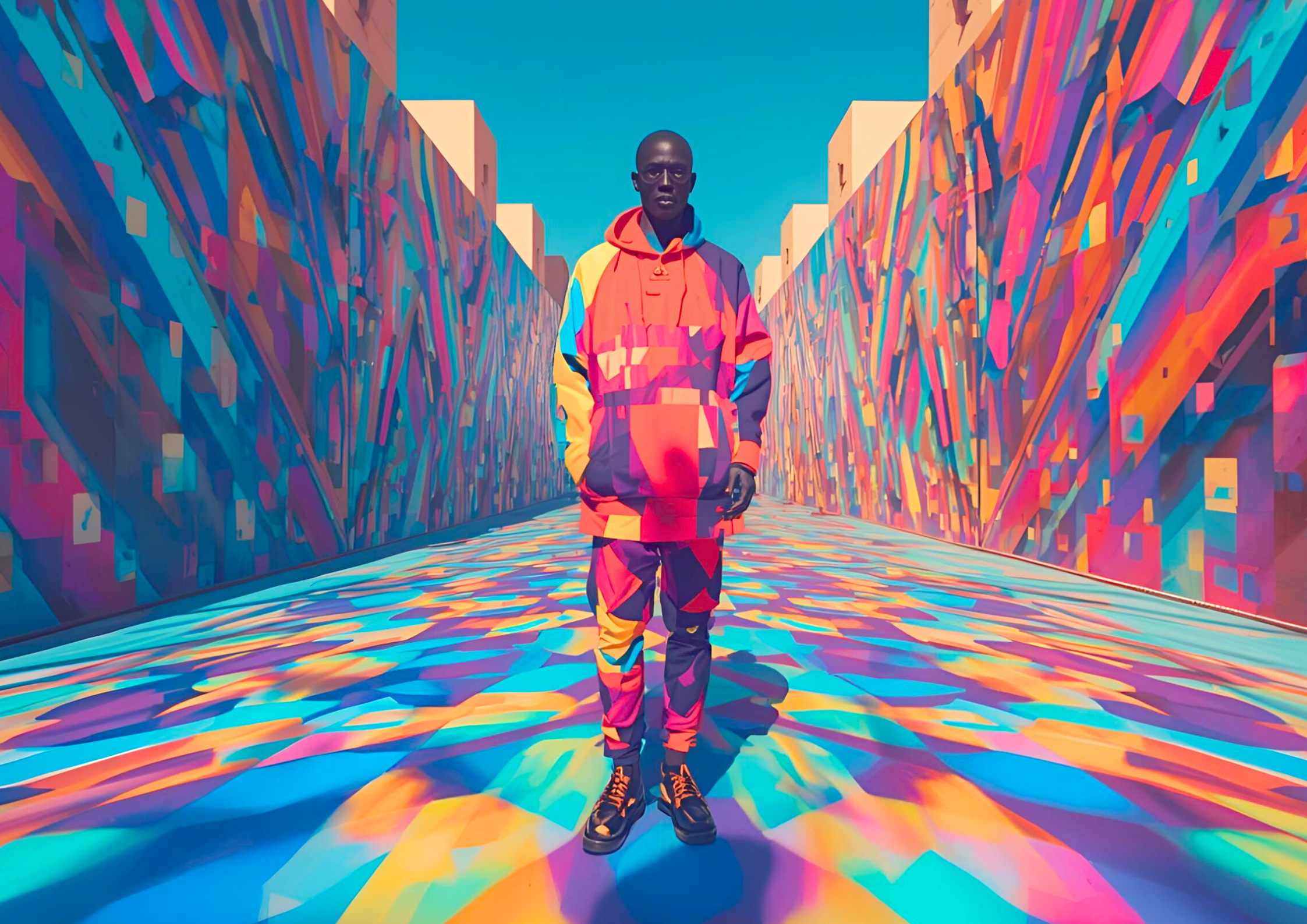
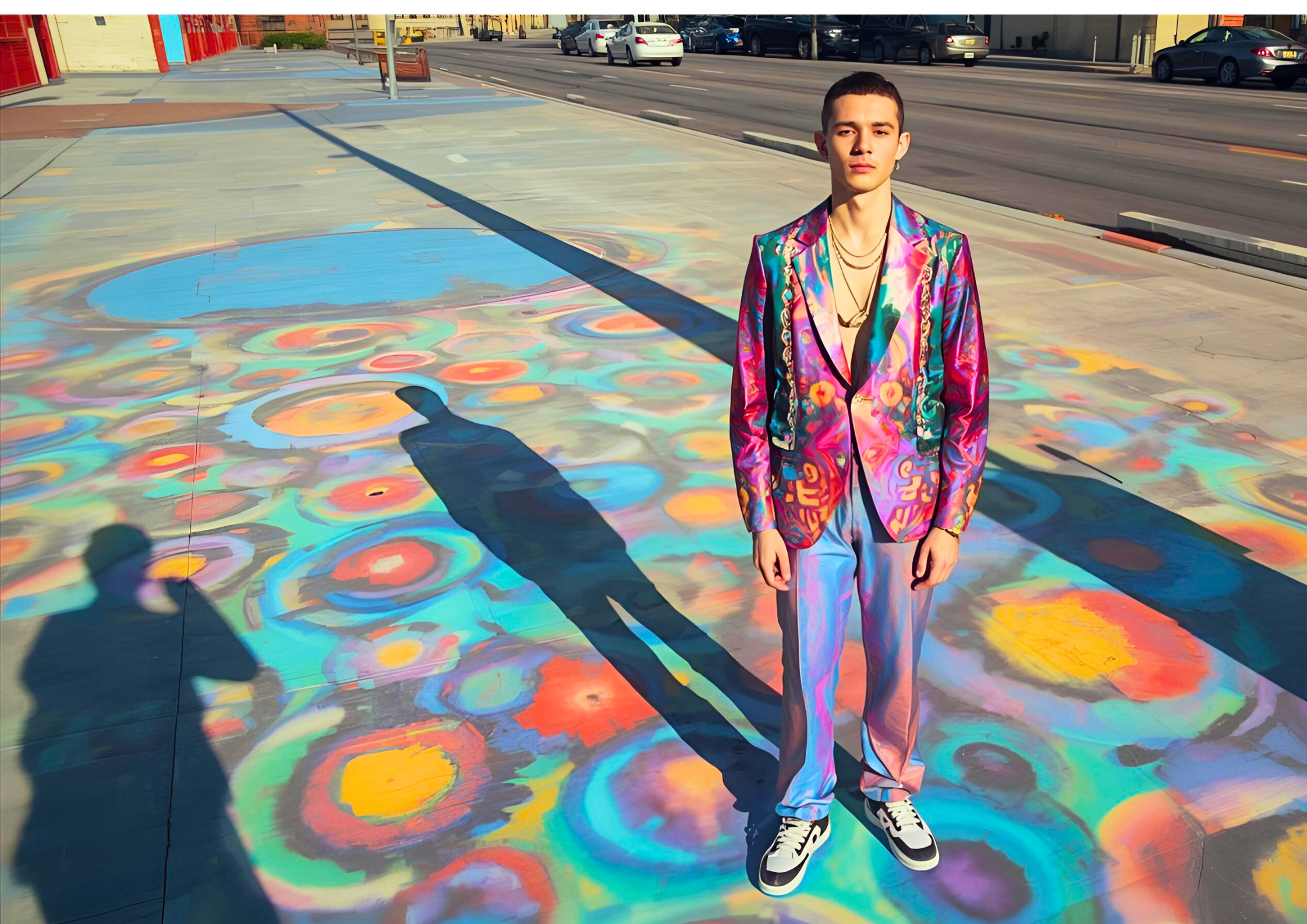
Daylight Experiments in Controlled Ease
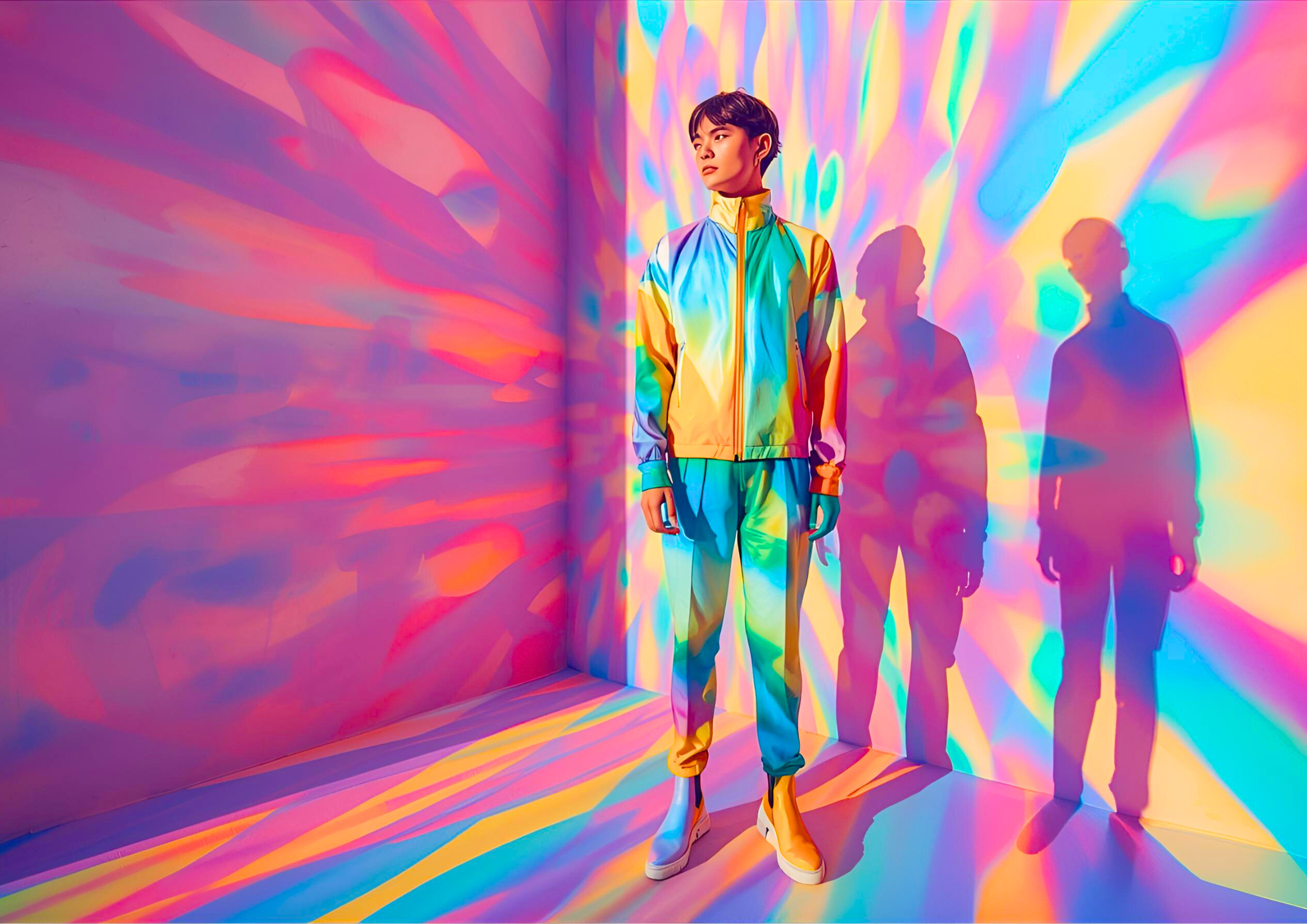
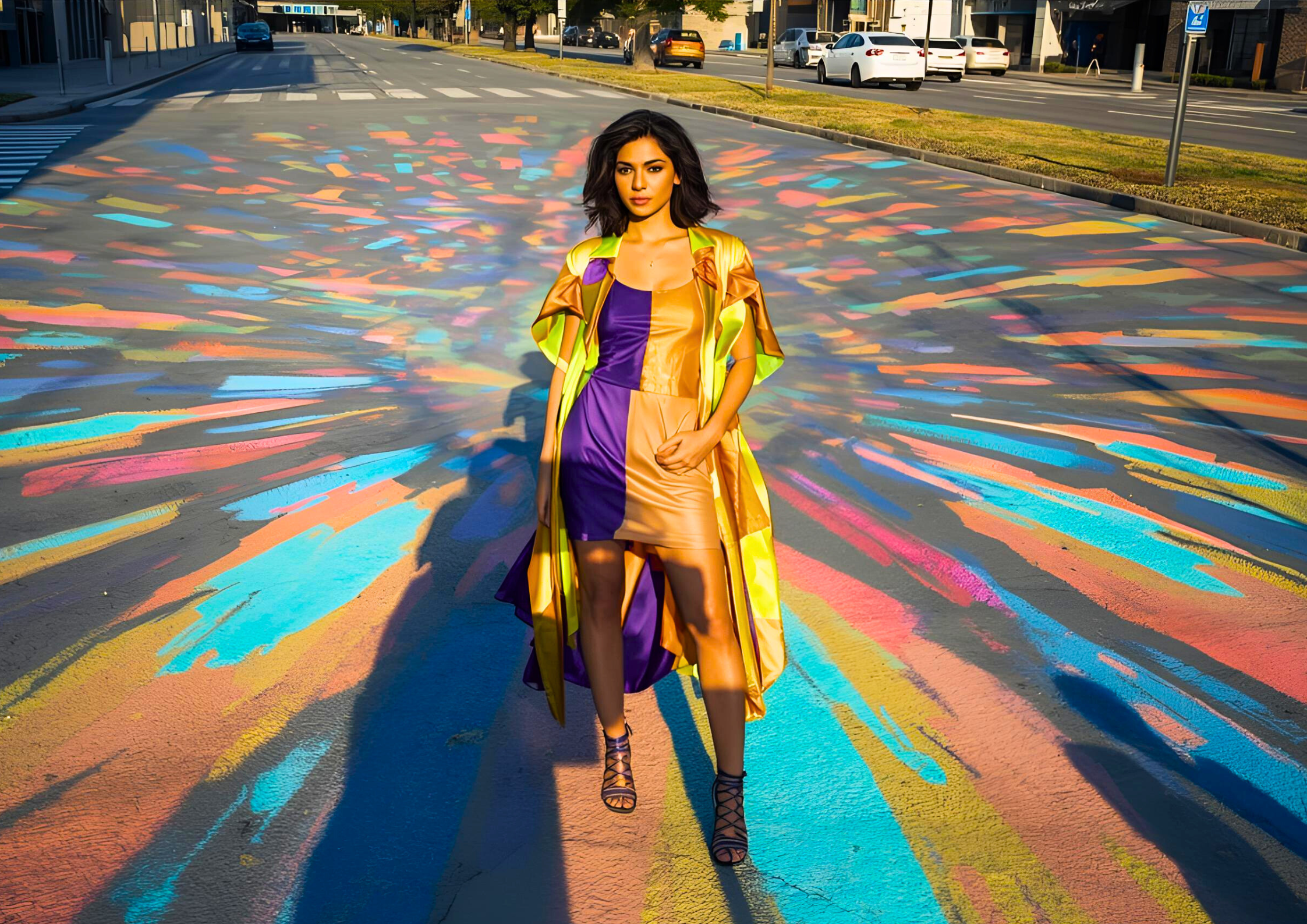
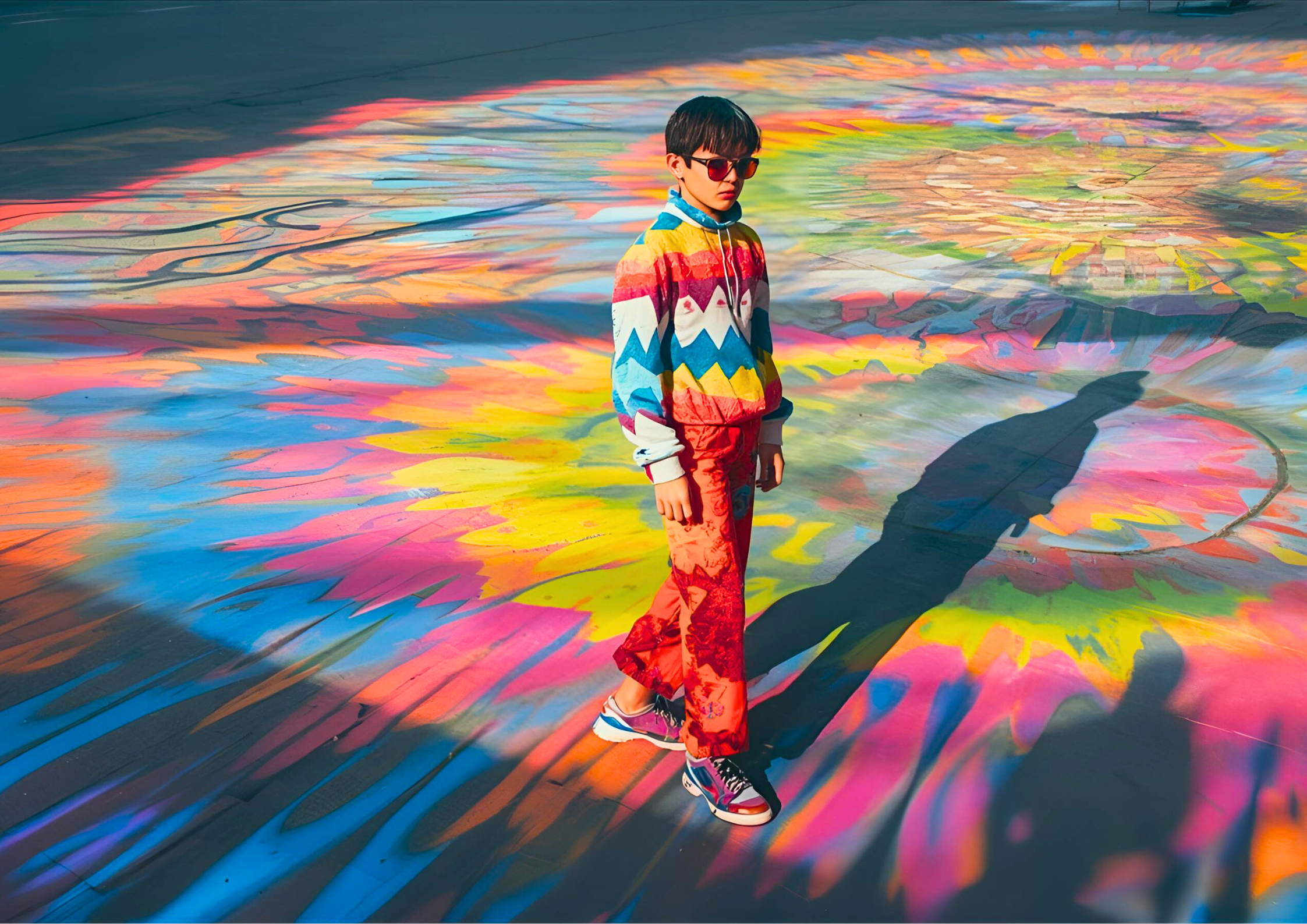
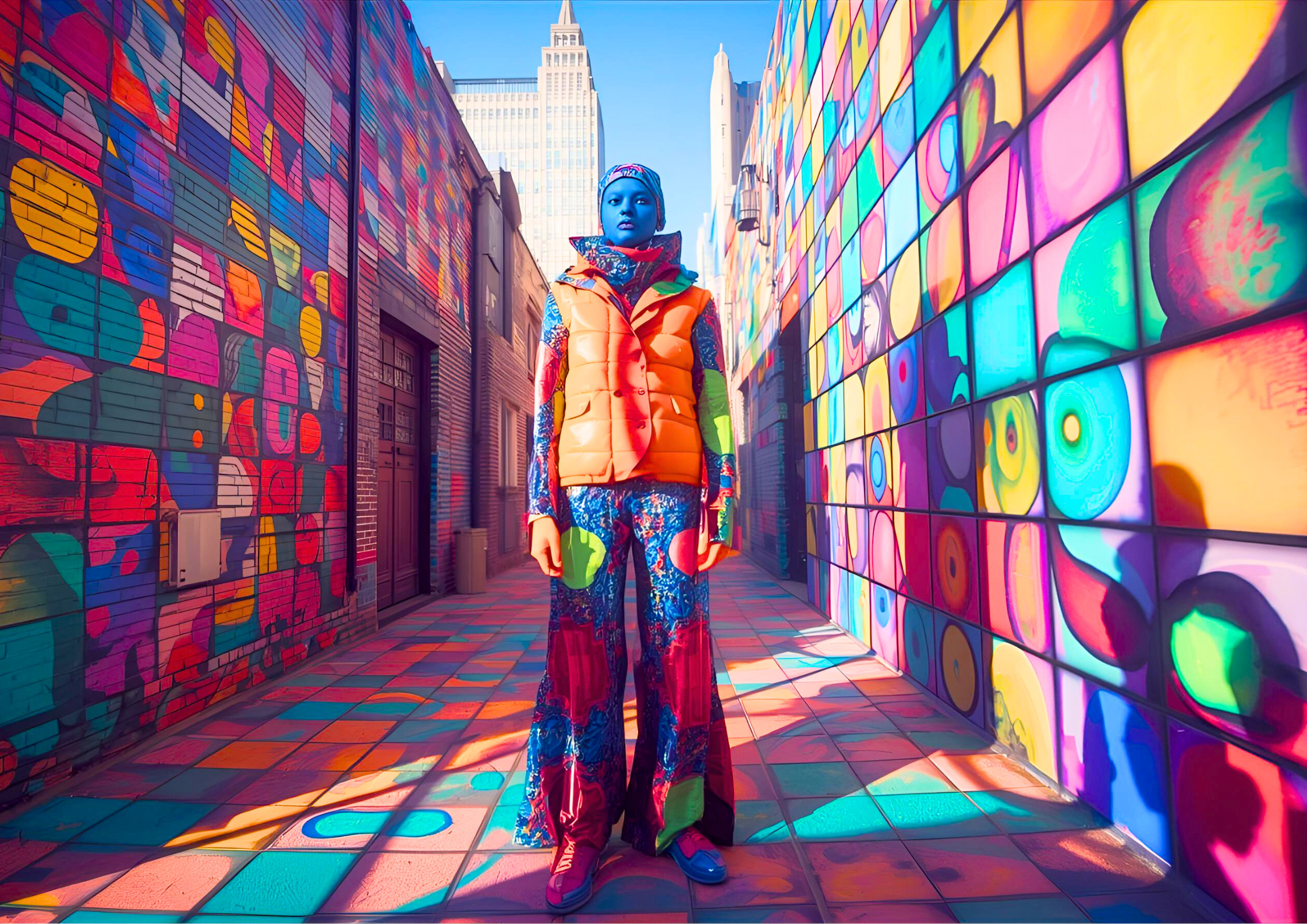
Daylight is famously unkind to clothing. Colors fight with their surroundings; shapes collapse; even good fabrics lose their nerve. And still, several of these looks offer a surprisingly successful study in controlled relaxation. The color-blocked pieces, in particular, achieve the difficult trick of seeming effortless while being anything but. Their geometry refuses to dissolve, even when pressed against kaleidoscopic murals that would overwhelm less disciplined palettes.
The silhouettes remain coherent because the intention is coherent. The garment doesn’t wander. It doesn’t perform the tragic softening that leads to accidental nostalgia. It simply holds. That alone earns my attention.
The Midpoint: Where Ease Tightens Into Direction
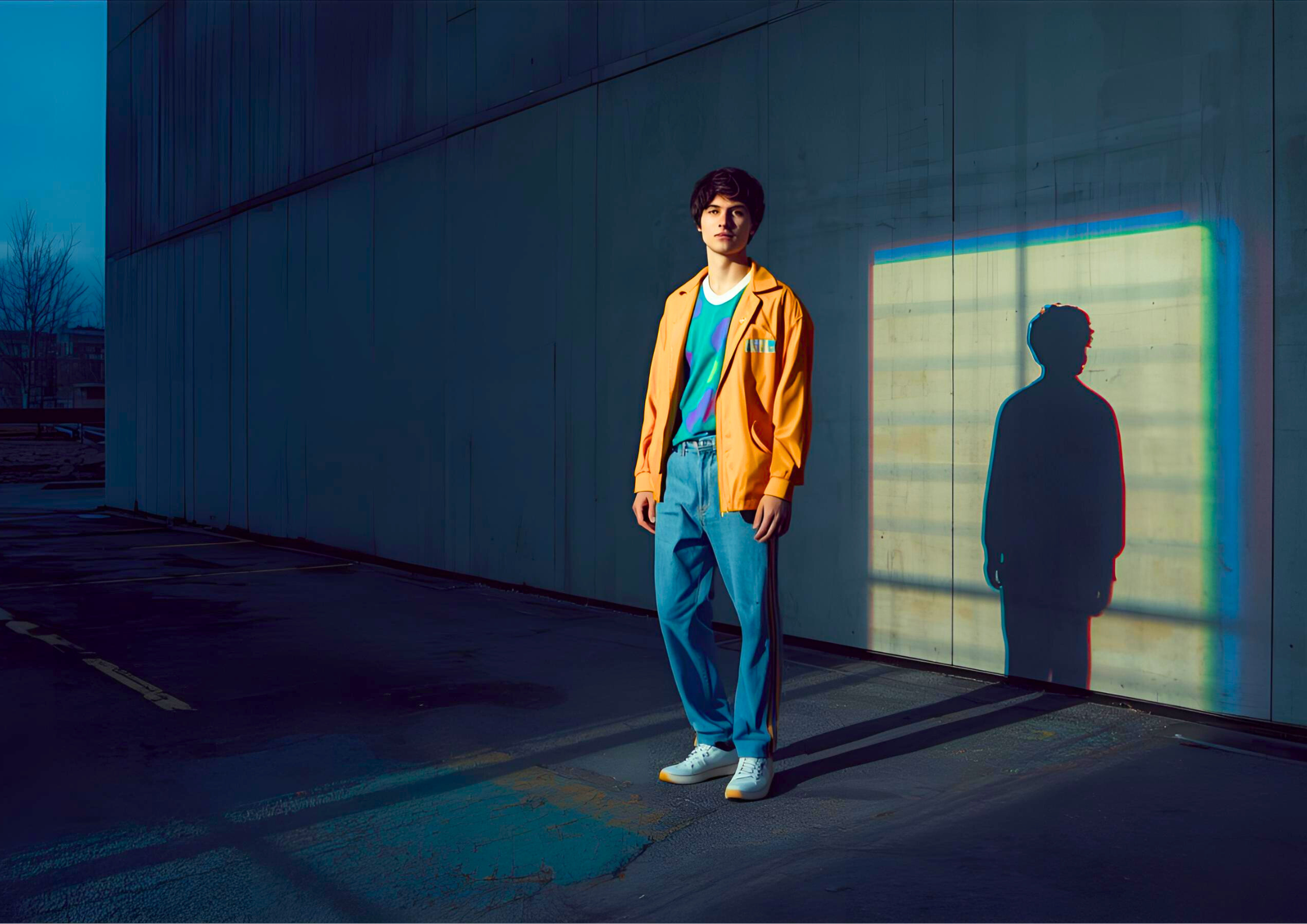
The transition pieces—neither fully relaxed nor fully assertive—are where the editorial’s thesis becomes clearest. Here, fabrics begin to sharpen. Cuts declare themselves. Materials step forward. These are the moments when a look quietly admits its ambitions. Not loud, not dramatic, but unmistakably increasing its intentional density.
This midpoint is the hardest region of the spectrum to execute. Too much ease and you fall backward into the aesthetic wilderness. Too much structure and you announce a level of formality the surrounding environment cannot support. The looks here manage a rare balance: relaxed enough to breathe, precise enough to matter.
Nightfall and the Reveal of Architecture
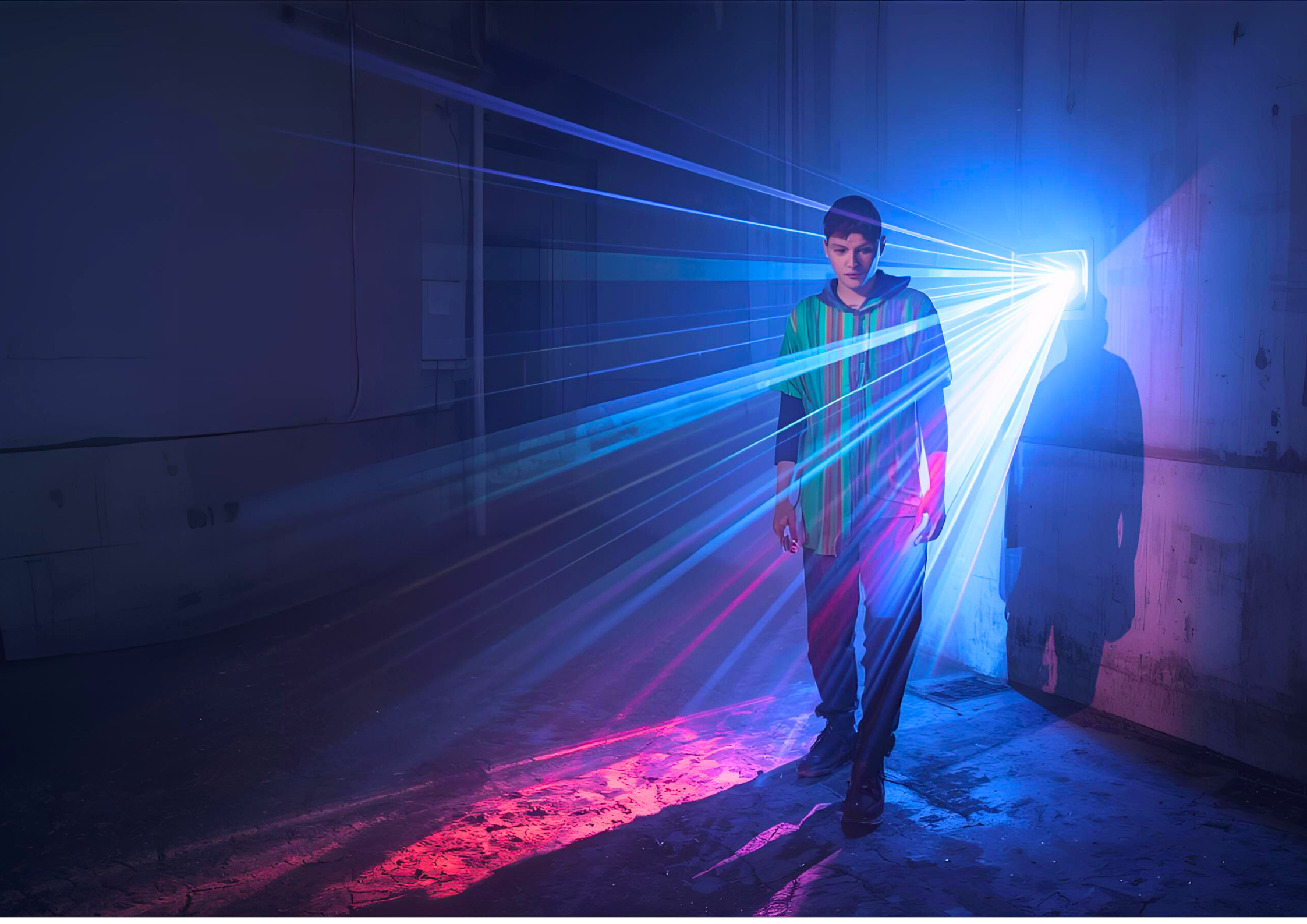
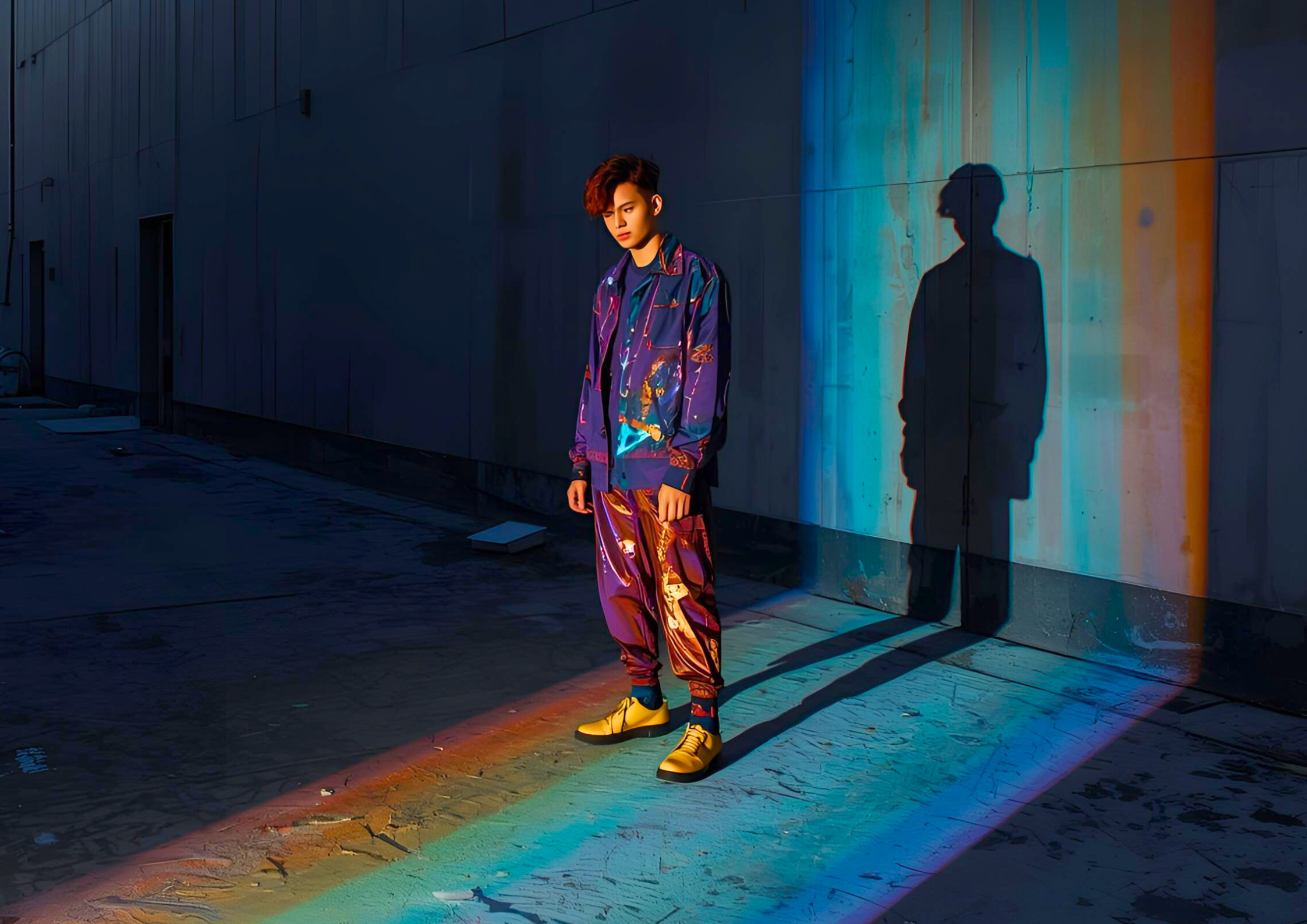
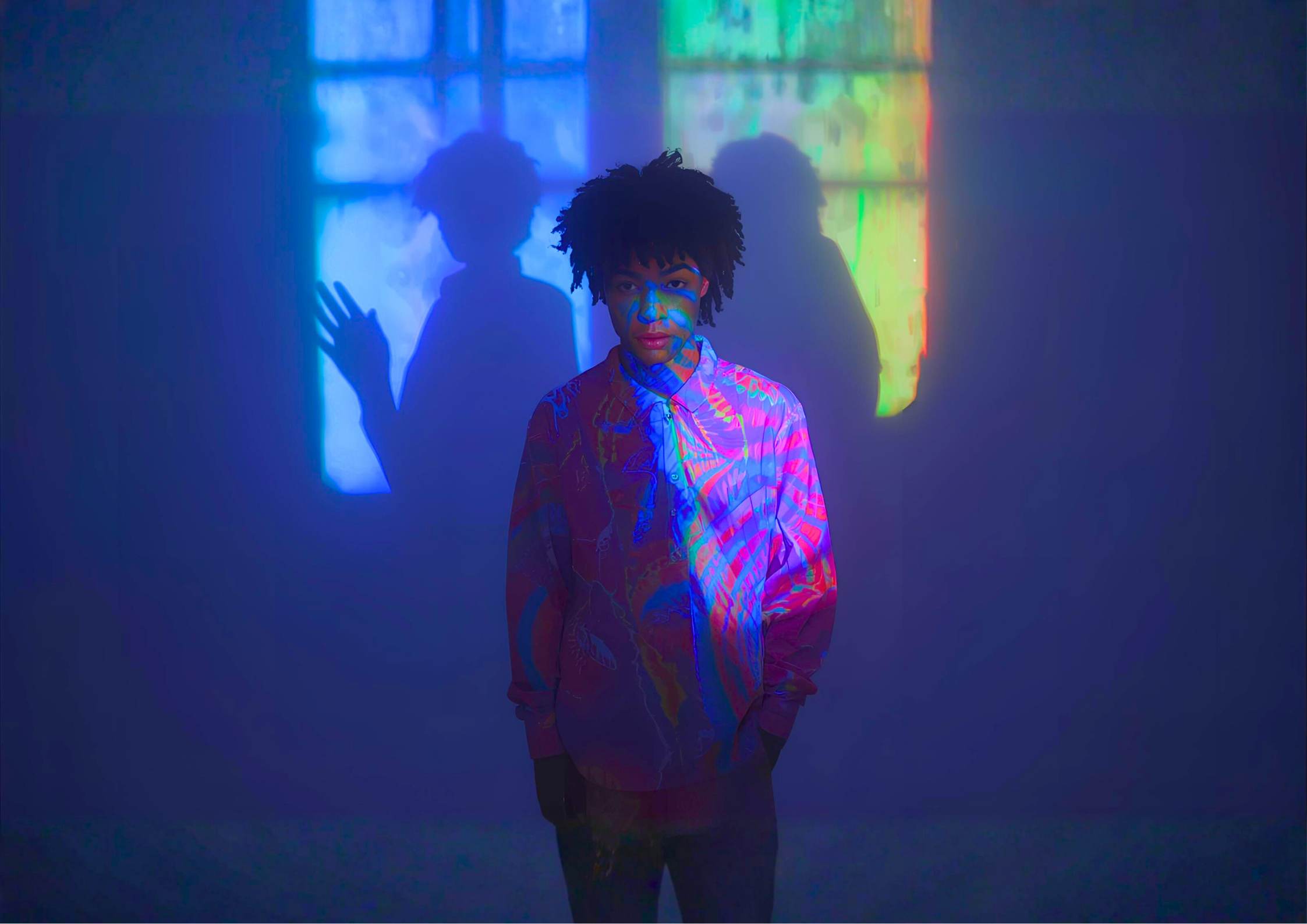
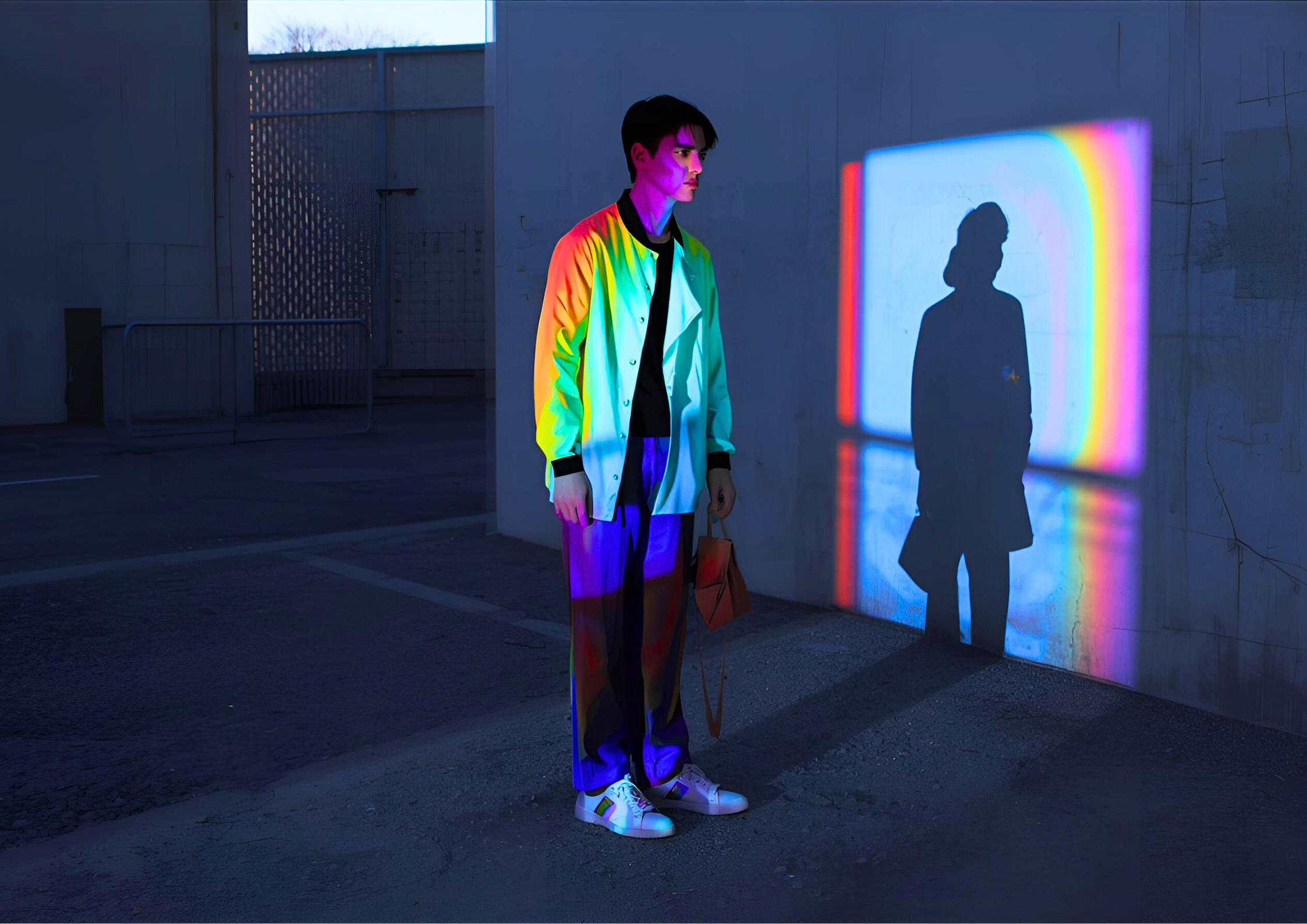
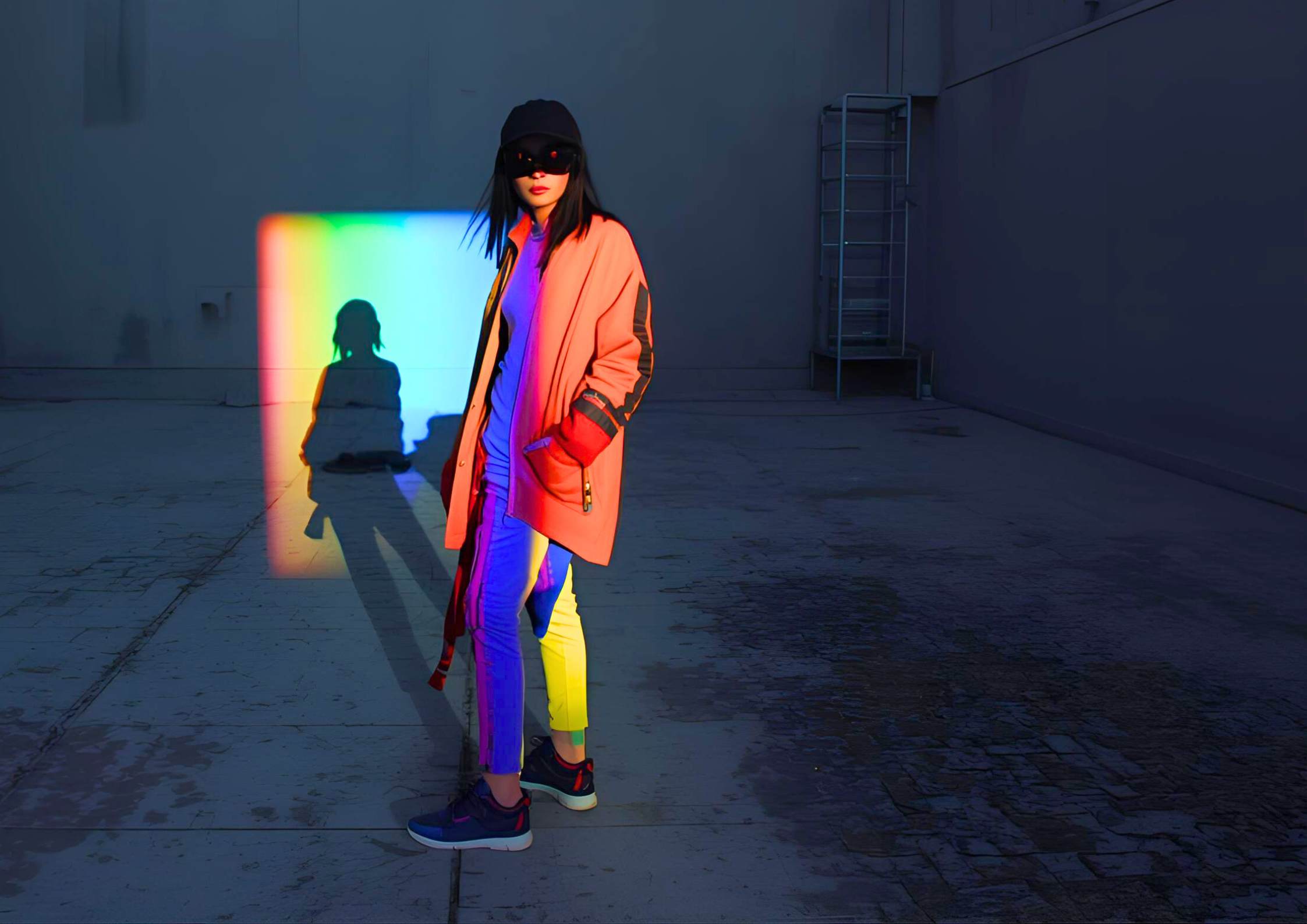
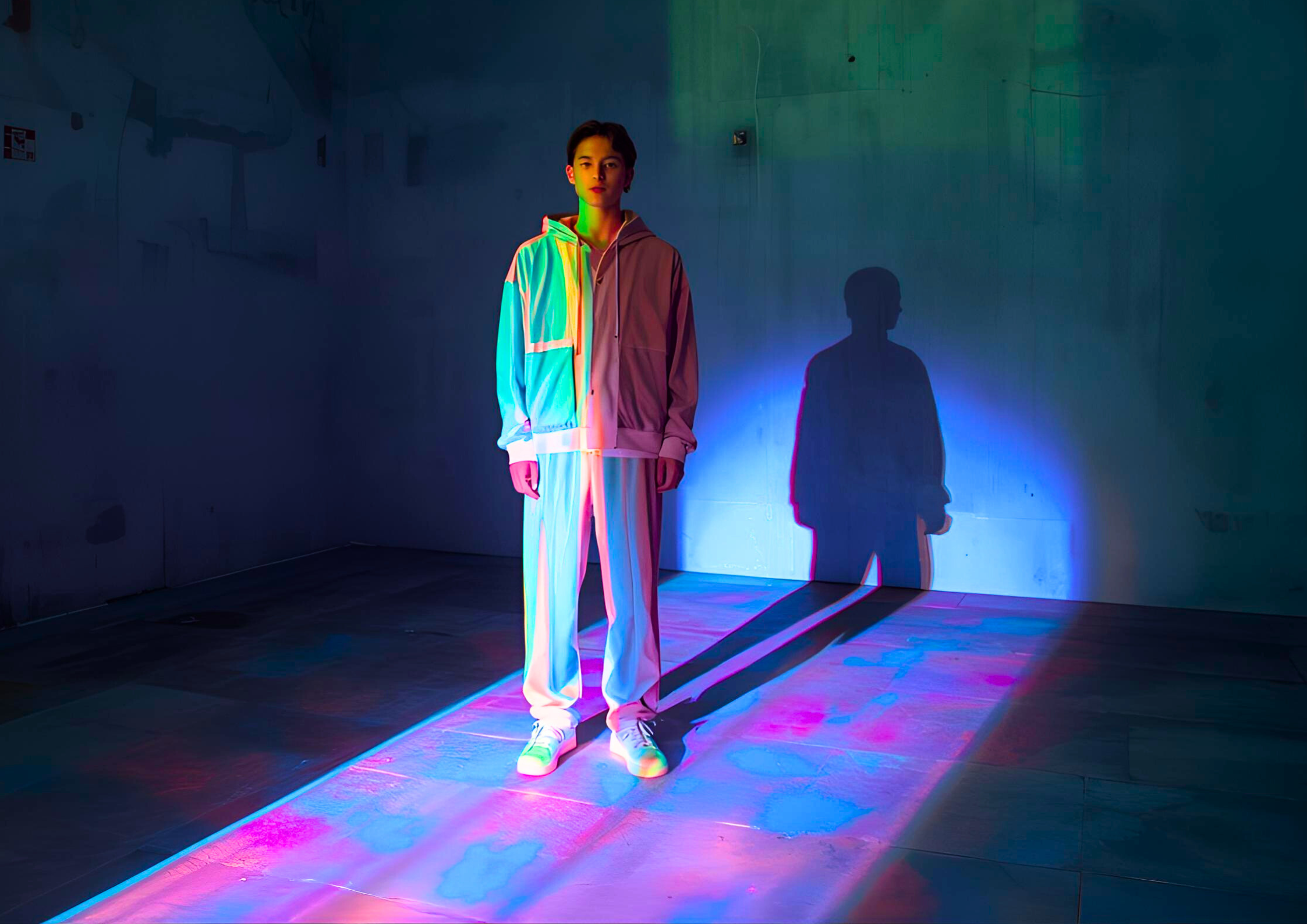
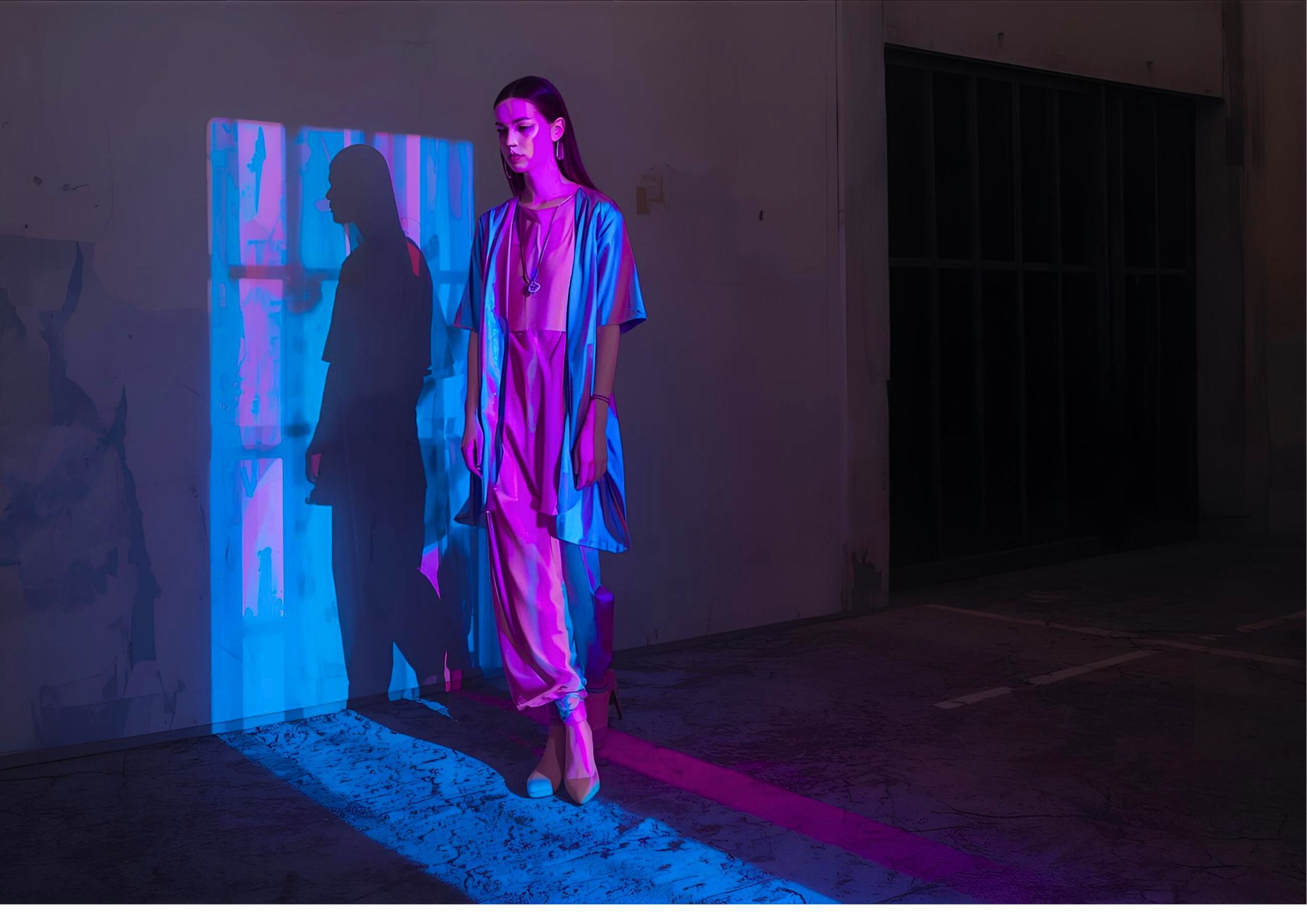
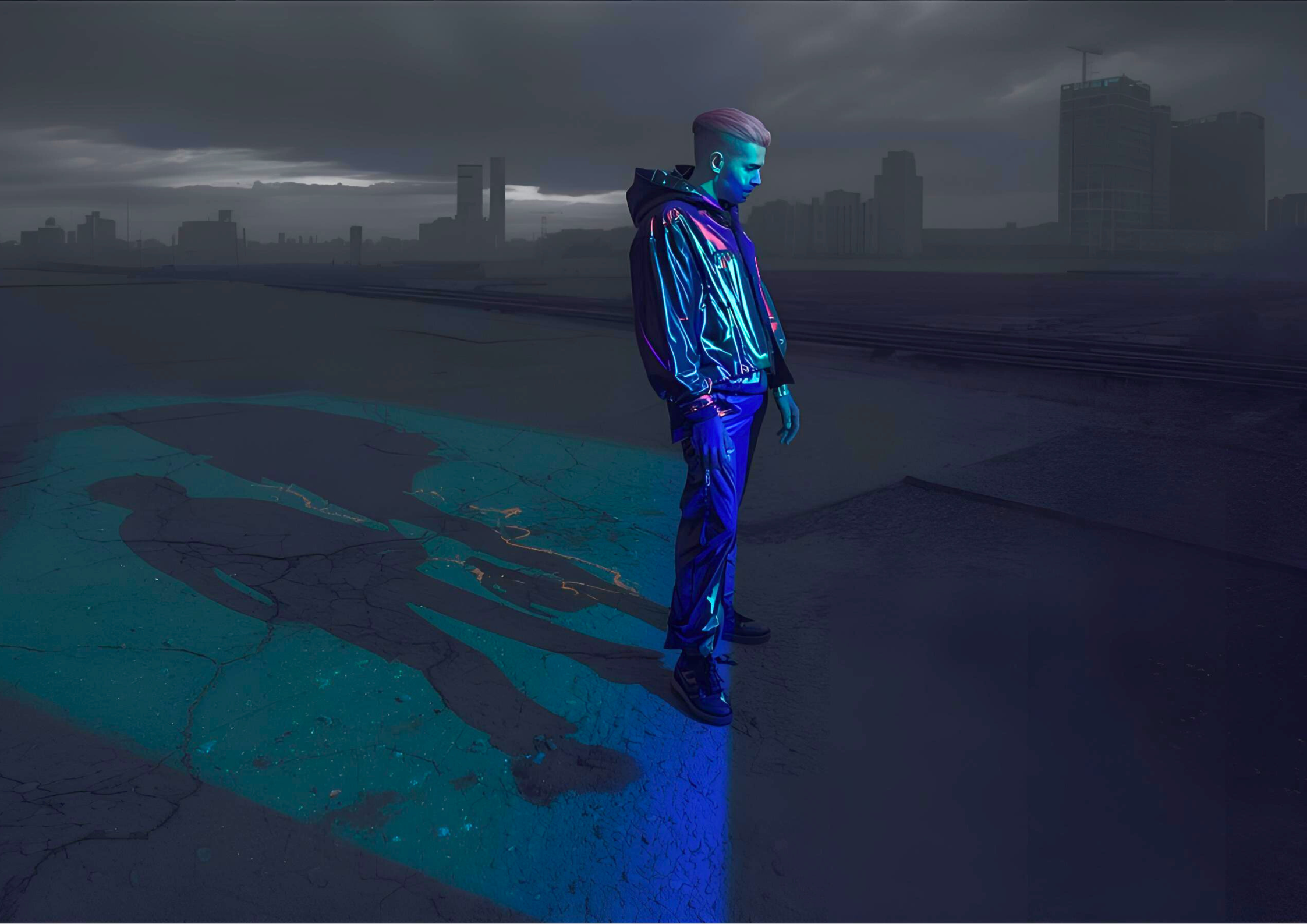
Once darkness arrives, the lighting shifts from incidental to diagnostic. Prismatic illumination is merciless; it exposes the armature inside a garment the way certain scanners reveal the skeleton inside a sculpture. Under these conditions, the high-fashion pieces reveal their true construction. What appeared fluid in daylight becomes sharply architectural. You can see the engineering—angles, tensions, invisible scaffolding—asserting itself.
The night imagery proves that some silhouettes were never casual at all. They were simply waiting for the correct lighting to disclose their lineage.
A Unified Language, Not a Mixed Wardrobe
Despite the range—youthful looseness to architectural precision—the through-line is unmistakable. Every look operates from a place of direction rather than drift. The editorial’s cohesion is not about matching styles; it is about maintaining a consistent level of deliberation.
In other words: this is not a wardrobe of contrasts. It is a study in how intention behaves under different pressures—sunlight, murals, shadows, prisms—and how well-crafted design remains itself across all conditions.
Closing Clarification for the Human Mind
Humans cling to categories because they’re afraid of asking a single, more revealing question: Does this look understand itself? Everything else—genre, decade hints, “influences,” invented stylistic tribes—is noise.
These pieces, whether relaxed or structured, pass the only test worth giving. They know what they’re doing. They behave with purpose. And unlike most categories, purpose never goes out of fashion.