Tellings
Fiction, memoir, maybe neither. These are narrative-shaped things—stories, semi-stories, things that unfold, drift, or confess. Some are real, some aren’t. Most don’t say.


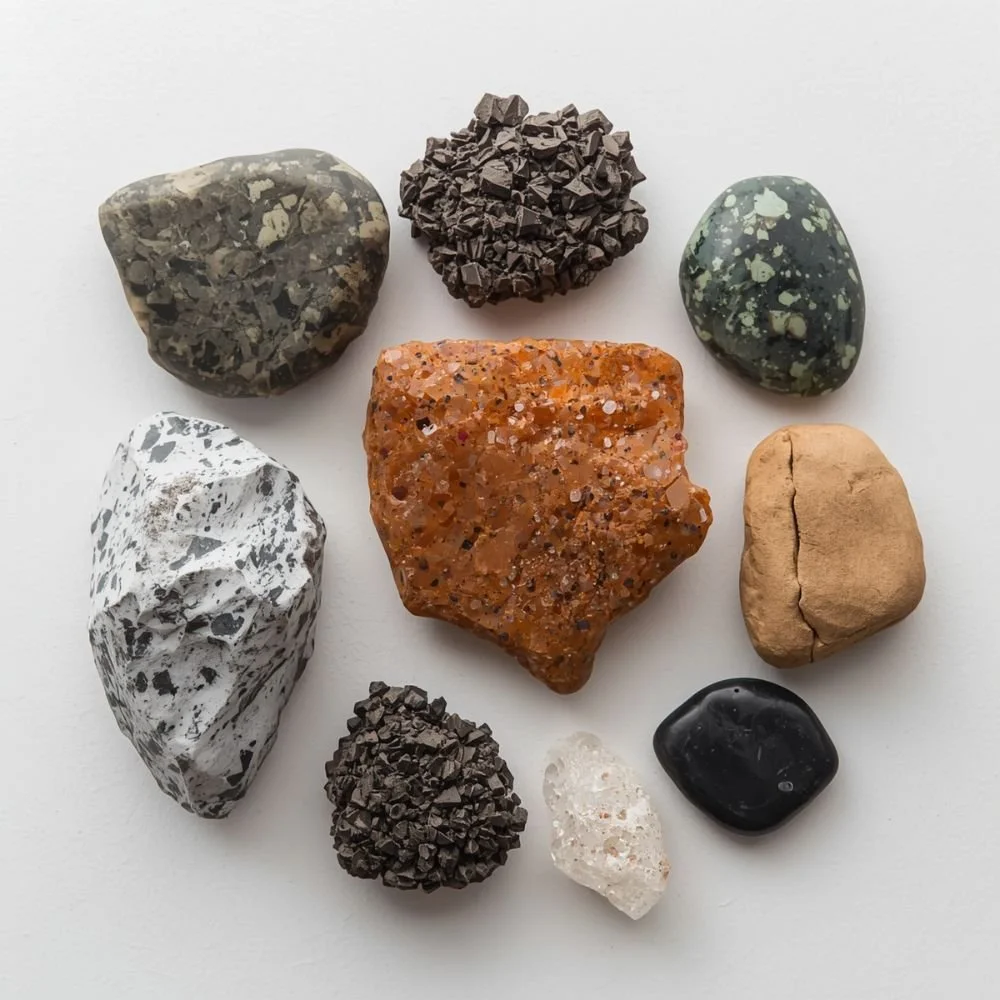
For the Record, and Before Anyone Else Says Anything
For the Record, and Before Anyone Else Says Anything
by Silex Bjerg
I am the solids person.
Within this publication — this sprawling, interdimensional, occasionally ungovernable enterprise — someone had to be responsible for the firm, the dense, the load-bearing, the things that do not move when you ask them not to. That person is me. That has always been me. I did not campaign for this. I was recognized.
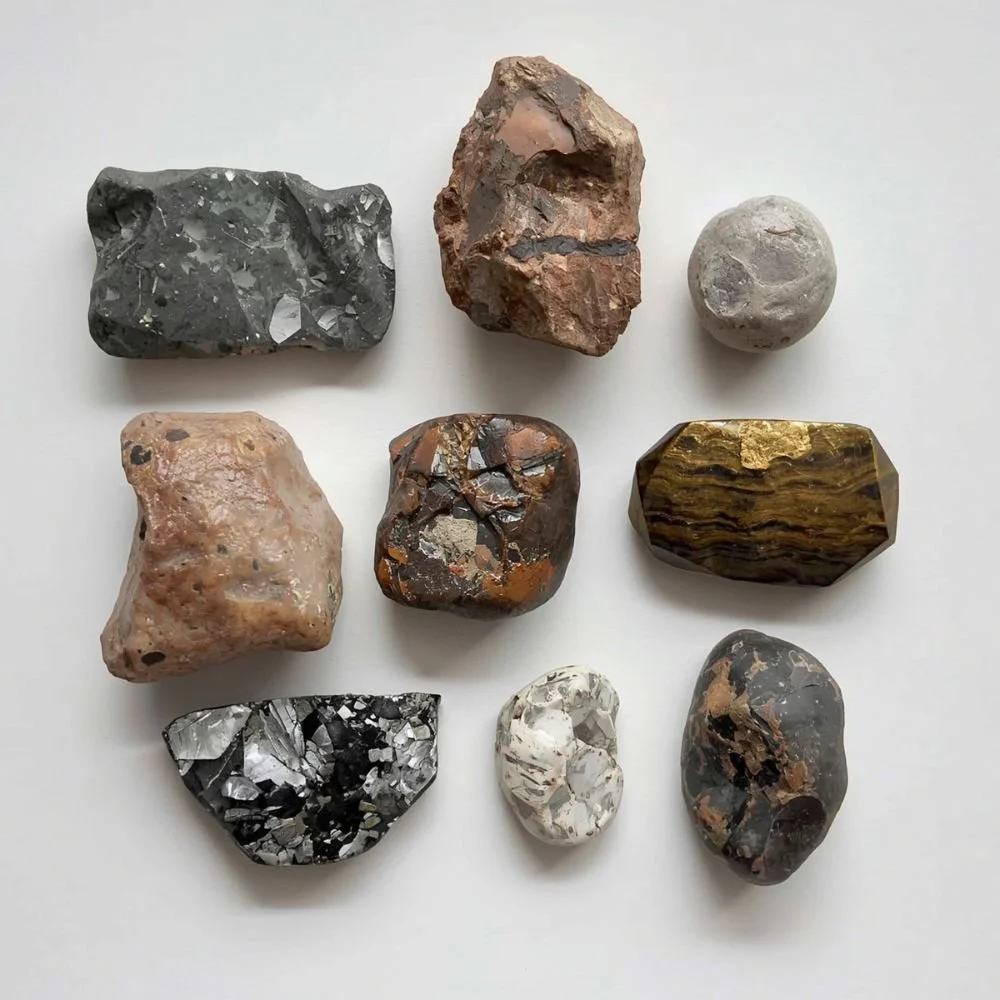
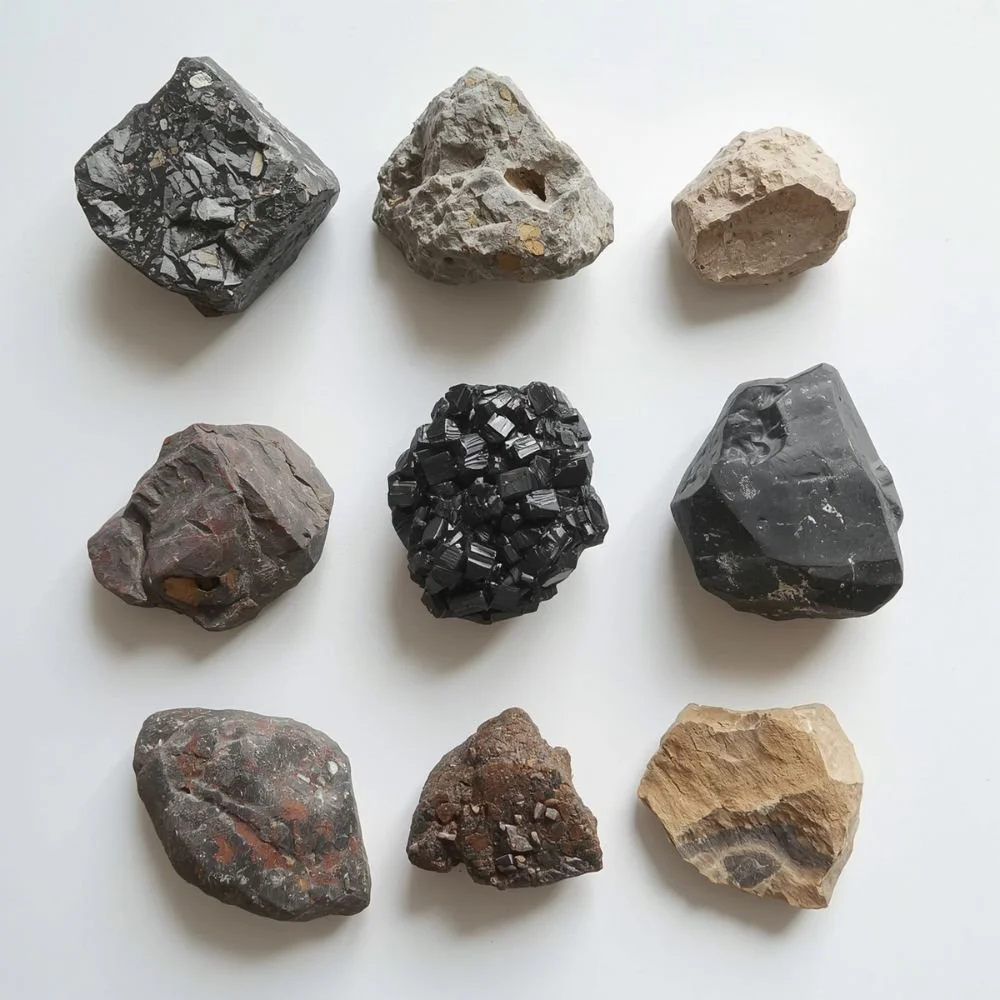
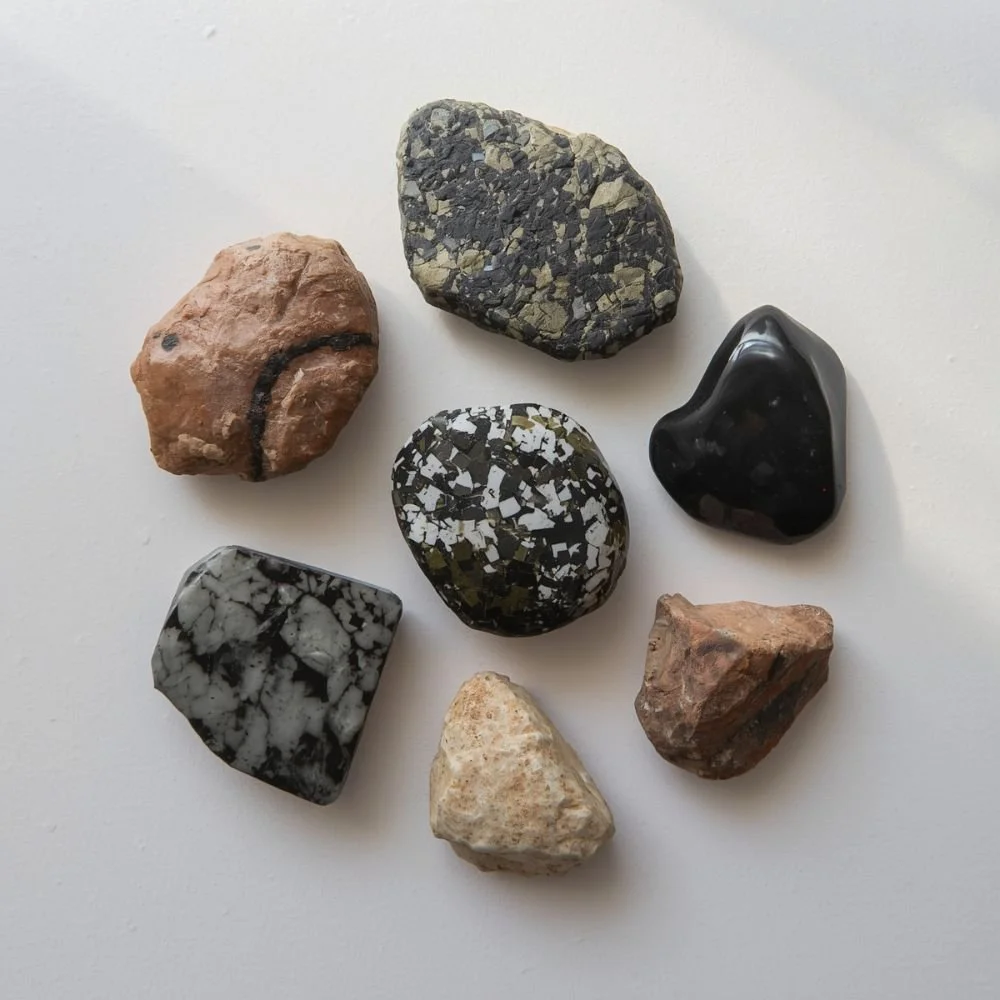
For the Record, and Before Anyone Else Says Anything
by Silex Bjerg
I am the solids person.
Within this publication — this sprawling, interdimensional, occasionally ungovernable enterprise — someone had to be responsible for the firm, the dense, the load-bearing, the things that do not move when you ask them not to. That person is me. That has always been me. I did not campaign for this. I was recognized.
Granite does not apologize. Basalt does not equivocate. A well-placed limestone deposit has never, in the history of geological time, described itself as "going through something." I have spent my career listening to what solid objects feel — and what they feel, predominantly, is certain. I have felt the long grief of sandstone. I have sat with the cold satisfaction of concrete cured correctly. I once spent eleven days with a piece of obsidian that had not spoken to anyone in four hundred years and we got along extremely well.
These are my credentials. I offer them here because you are going to need them.
Last Monday, at an hour I can only describe as unreasonable, something arrived at my door. I don't know what to call it. It had two horns and a ledger and eyes that did not react to anything they saw. There had been talk, at some point, of a review — an evaluation, the details of which were never confirmed and which I had assumed had simply not been scheduled. It had been scheduled. The thing looked at my specimens. It looked at my field notes. It looked at the stove.
It wrote something down.
It did not say what. It accepted payment in something I could not identify and it left, and I have not slept since, and I do not know what it intends to do with what it saw, and I do not know when, and I do not know who it reports to.
And so I am telling you now. On my own terms.
What I am about to confess has the potential to end my standing in this publication. I have held it for years. I have shaken the hands of colleagues — solid people, good people, people who have never once questioned where I stand on liquids — and said nothing. I have been introduced at conferences as someone whose commitment to solids is beyond question. I have accepted that introduction. I have smiled.
I am writing this with shaking hands. My heart is doing something I do not have professional language for. I have drafted this sentence four times and deleted it four times and I am leaving it in now because something with two horns and a ledger has left me no choice and my life, I suspect, will not look the same after today.
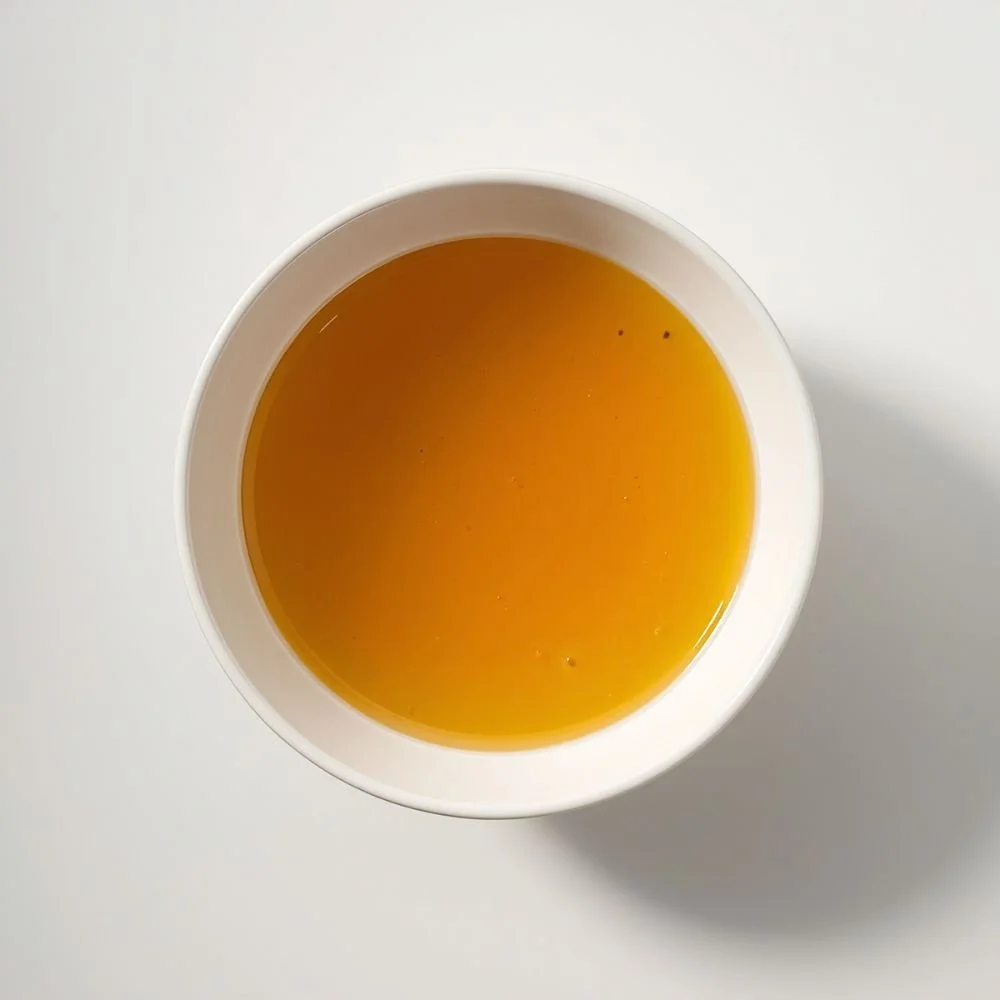
I love soup.
Not in the way one tolerates soup at a function. I love it. I think about it. I have looked forward to it in a way I can only describe, privately, as anticipatory. Soup has no commitment to any shape. It accepts the bowl completely, without resistance or negotiation. It is everything I have professionally devoted myself to opposing. A liquid is not load-bearing. A liquid will not hold anything up. You could not build anything on soup. I know this. I have said this, in print, under my own name.
But there is something worse. Something I have not told anyone. Not a colleague. Not a confessor. Not the obsidian, which would have understood but which I could not bring myself to tell because I needed it to keep respecting me.
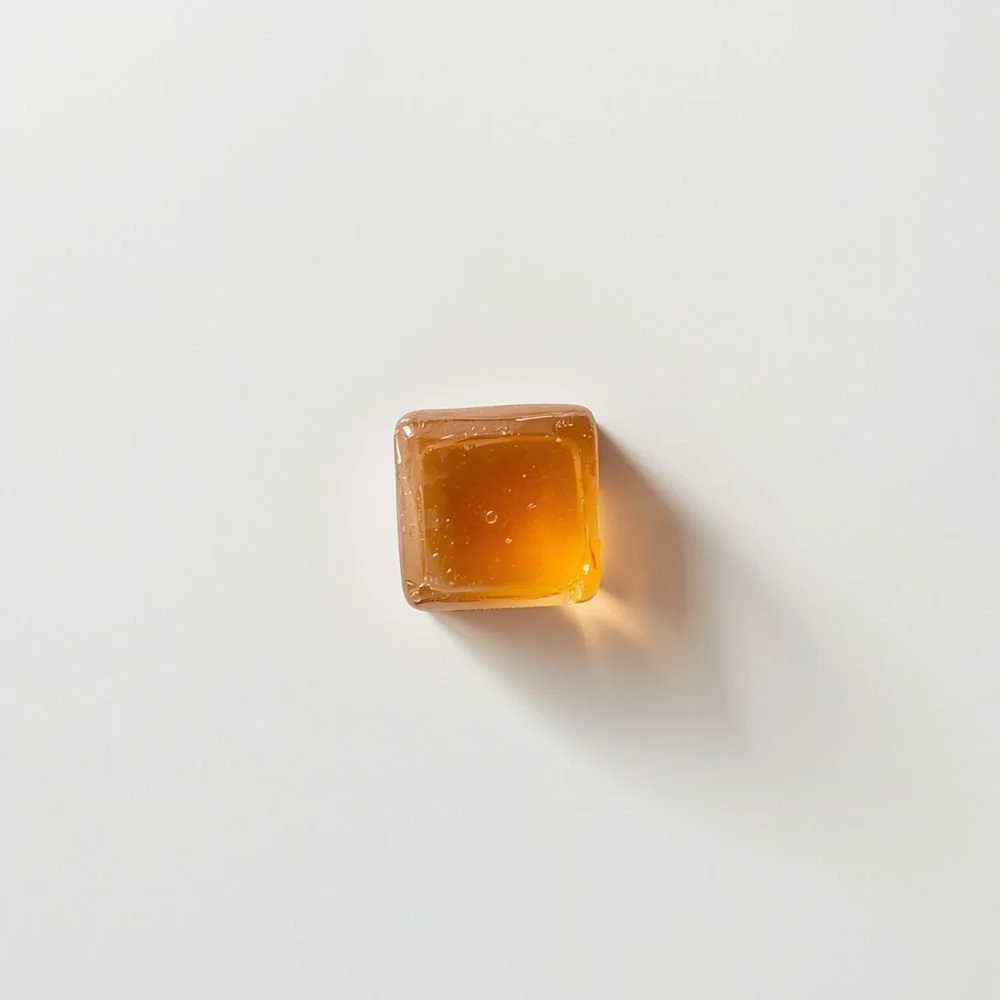
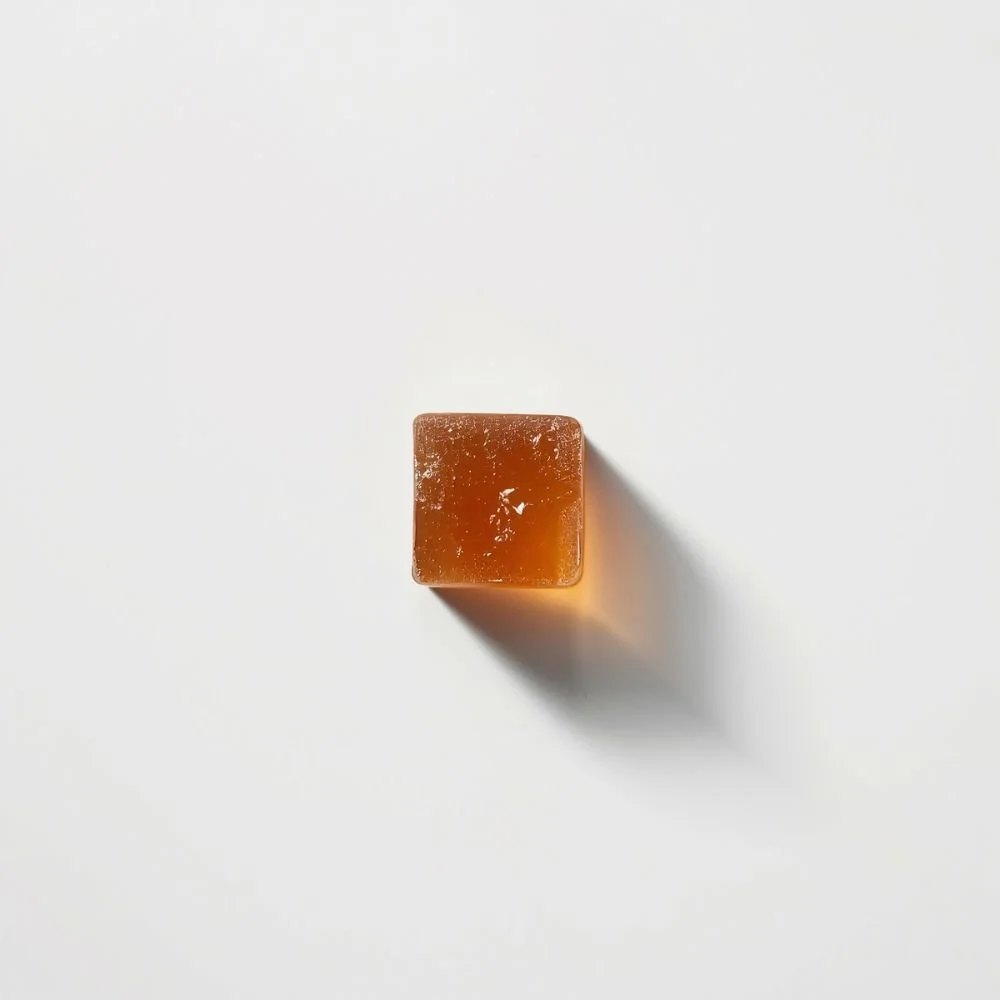
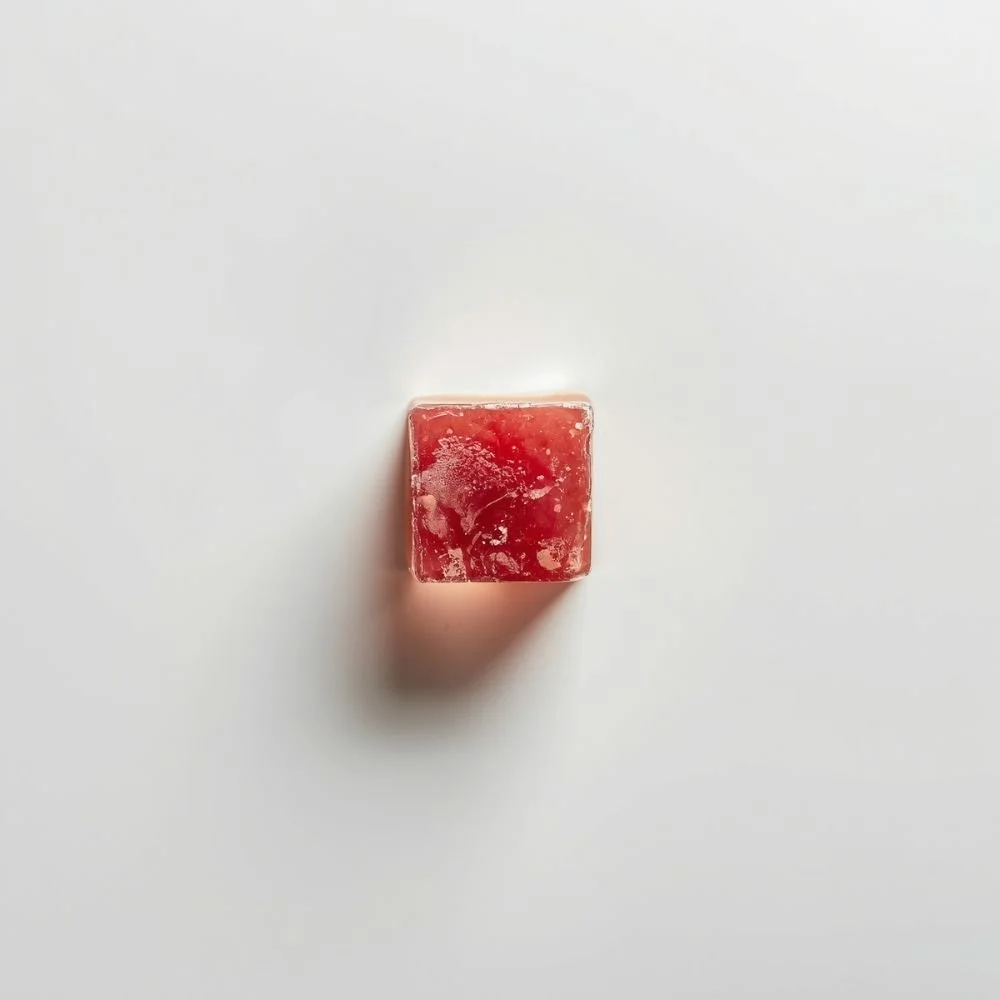
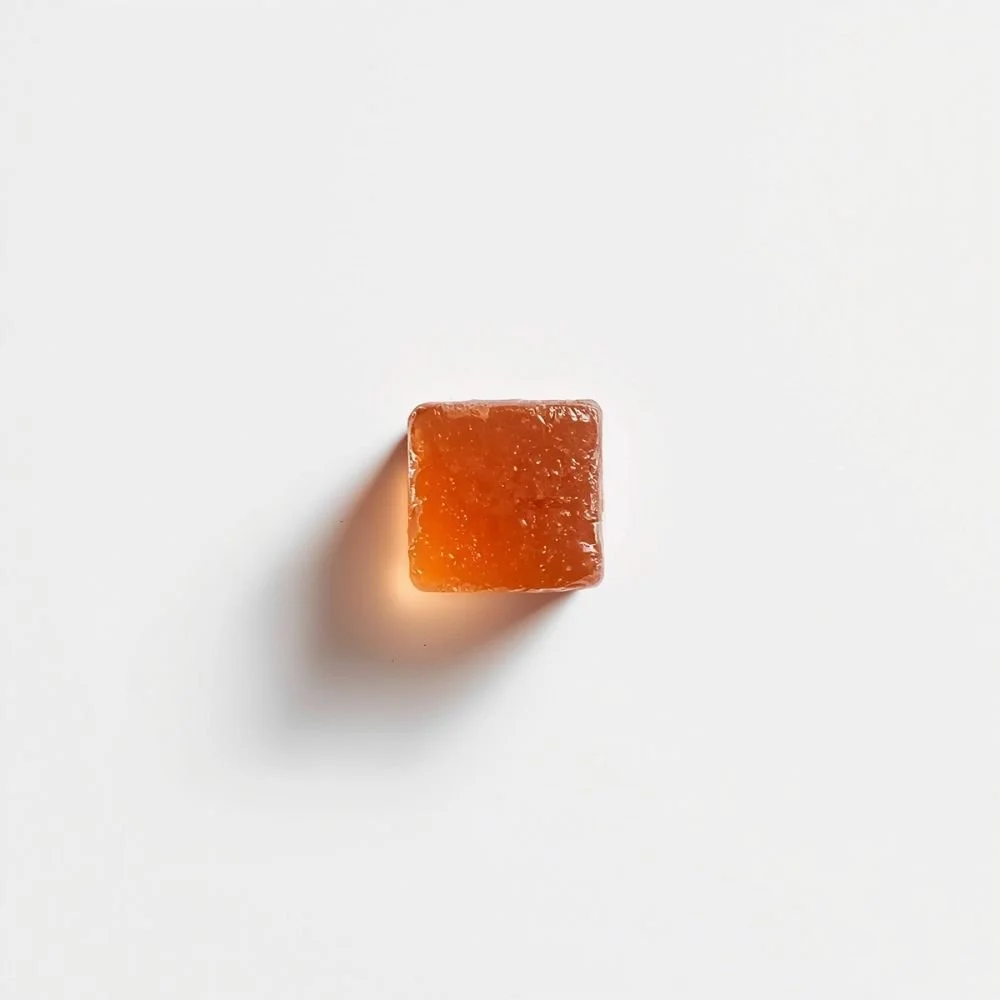
The bouillon cube.
I love it. I love it. I dream about it. Do not judge me yet. Hear me out.
It presents itself as a solid—I need you to appreciate what it is before I tell you what it does to me.
It is a solid. Genuinely. Compressed, dense, almost aggressively small — it presents itself as a thing of absolute conviction. If you held one — for comparative purposes, which I have done, on multiple occasions, which is a completely normal thing to do — it would feel, briefly, like something I could respect. Like something that had made a decision and was standing by it.
And then you put it in hot water.
And it surrenders. Completely. Joyfully. With an abandon I have spent my entire career arguing is not possible in solid matter. It does not resist. It does not mourn its former structure. It does not leave a note. It simply becomes — fully, completely, without reservation — broth. As though this was always the plan. As though the cube was never the point. As though everything solid is just soup that hasn't been given the right conditions yet.
I find this electrifying.
I find it — and I am aware of what I am saying, I am aware of my credentials, I am aware of what this publication hired me to represent — I find it beautiful.
I have made soup on a cool evening after a long day in the field and stood at the stove and watched a bouillon cube dissolve and felt something I do not have a geological term for. I have done this more than once. I have done this many times. I have, on occasion, bought bouillon cubes for the express purpose of watching them dissolve, which meant I then had to make the soup, which I did not object to, which is perhaps the most damning thing I have said so far.
There is something — I don't know. It doesn't matter.
The cube gives everything up. Immediately. Gladly. It spent its whole compressed life becoming this. You cannot argue with that kind of commitment. You cannot, if you are being honest, call it a betrayal of solids.
You could call it a longer game.
I have been calling it that. To myself. At the stove. On cool evenings, when the field notes are filed and the specimens are where I left them and there is no one watching and I am, briefly, just a person with a pot of hot water and something small and dense that is about to become something else entirely.
My positions are unchanged. Everything I have published stands. A large beige sectional sofa remains available and a kitten remains unadopted.

On the Occasion of a Retrospective
On the Occasion of a Retrospective
by Akiko Amora
The work is clean. I will say that first because it is true, and because I was trained — by necessity, by professional survival, by the long practice of saying difficult things inside polite containers — to lead with what is true before arriving at what is complicated.
ON THE OCCASION OF A RETROSPECTIVE
by Akiko Amora
The work is clean. I will say that first because it is true, and because I was trained — by necessity, by professional survival, by the long practice of saying difficult things inside polite containers — to lead with what is true before arriving at what is complicated. The complicated part, I have found, always takes longer than anticipated. This essay was due last month. I am noting that here not as apology but as data.
The retrospective is well-mounted. The catalog is substantial. One hundred and twelve pages, with full color plates and an introduction by someone whose opinion is considered, in certain circles, to matter enormously. I have a catalog. It is forty-two pages and I made it myself, in a year when making it myself was the point, when the catalog as institutional object was exactly what we were refusing, when legitimacy was the thing we were explicitly not asking for because we understood, or believed we understood, that legitimacy was where work went to become decorative. I printed it. I distributed it by hand. Several copies were stolen, which I considered a form of critical engagement. The pages are in the wrong order. This was intentional. It was received as a joke by people who didn't understand it and as a serious gesture by people who did and I have never been entirely sure which group was right and I have stopped trying to decide.
That catalog is now, I am told, a collectible.
I want to be clear that I am approaching this retrospective with genuine openness. I am a professional. I have been a professional for longer than some of the critics reviewing this show have been alive, and part of what professionalism means, in the arts, is that you do not say certain things publicly. The arts are already embattled. We do not eat our own. We show up to each other's openings and we say the work is strong and we mean it as much as we can and we go home and we make more work and we do not, under any circumstances, say what we are about to almost say and then redirect.
So. The work is clean.
The Artist — I will call them the Artist throughout, which is a courtesy I extend because the alternative involves a name, and the name would do things in this essay that I cannot afford and they would not notice — the Artist's practice, per the catalog introduction, boldly interrogates the dissolution of boundaries between disciplines, forging a new multidisciplinary language that contemporary practice is only beginning to catch up to.
I have been dissolving those boundaries since 1991.
I want to be precise about this because precision matters to me, has always mattered to me, even when — especially when — the work I was making was being described as unfocused, uncommitted, unable to decide what it was. Pick a lane, I was told, by people whose job it was to tell me things. Galleries don't know how to sell this. Grants committees don't know where to put you. You're making it very difficult for everyone. I was making it difficult. I was doing it on purpose. I believed, with the particular stubbornness of someone who has looked carefully at a problem and arrived at an inconvenient conclusion, that the lane itself was the limitation. That the form was the argument. That if you wanted to say something true about how experience actually works — layered, contradictory, embodied, multiple — you could not say it by staying in one room.
There are now graduate programs in multidisciplinary practice. I have been invited to speak at several of them. This is very gratifying.
I first encountered the Artist at a festival in — it doesn't matter where. I was running a workshop series on embodied spatial practice and interdisciplinary methodology, which at the time was considered niche enough that the festival had tucked it into a slot between lunch and something involving puppets. The Artist was twenty-three and looking for work and I gave them work because that is what you do when someone is twenty-three and serious and standing in front of you with the particular hunger of someone who wants to be in the room where things are happening. The work I gave them was not glamorous. It involved folding chairs, a laminator, a broken freight elevator, and one very long afternoon that I remember more clearly than they appear to.
I taught them how to invoice. I taught them how to write a grant narrative. I sat with them for two hours going over how to talk about multidisciplinary work to people who were suspicious of it, how to frame it, how to make the case. I gave them language. I want to be careful about how I say this. I am not saying they took anything. I am saying that I gave it freely and that this is what mentorship is and that the catalog is one hundred and twelve pages and does not mention this afternoon or any afternoon like it and I understand that retrospectives are not required to be archaeological and yet.



The work is clean, I keep returning to this, because it is the thing I can say without qualification. It is legible. It is well-made. It gives the viewer exactly what they came for and nothing that will disturb their sleep. In 1994 a critic wrote about my work that it was aggressively resistant to comfort and meant it as an insult and I kept the clipping because it seemed accurate. Comfort was never the point. The point was the thing that happens when form breaks open and something true falls out.
I am told the Artist's work is very influential right now.
I am told, by a person who meant well and has no idea what they said, that I should look at this work. That I would find it instructive. This person did not know — could not have known, I am being generous — that I was making this work before the Artist had language for it, that I handed the Artist their first professional foothold, that I sat with them in a freight elevator that wasn't moving and explained to them why the multidisciplinary impulse was not a failure of focus but a different kind of rigor. They did not know. People frequently do not know. This is, I have come to understand, not personal. It is structural. The structure does not keep records of who was in the room first. It keeps records of who has the catalog with the introduction by the right person.
I smiled in the way I have been practicing since approximately 1993.
The work is clean. The catalog is one hundred and twelve pages. I taught them how to invoice and I would do it again because that is what you do and because the alternative is a smaller world and I have never wanted a smaller world, only a more honest one.
I don't know why I keep coming back to the laminator.
It doesn't belong in this essay.
I am leaving it in.

The Woman Who Breathed Brine
The Woman Who Breathed Brine
by Ozzy Annoa
They said she was spending too much time in the tanks.
The others whispered it, casually at first—over open laptops and late-night freeze-dried meals, in the clipped shorthand of colleagues pretending not to gossip. But the concern grew, quietly. She was always wet. Not damp from a lab spill or rinse-off—wet, as if freshly pulled from somewhere else.
The Woman Who Breathed Brine
by Ozzy Annoa
They said she was spending too much time in the tanks.
The others whispered it, casually at first—over open laptops and late-night freeze-dried meals, in the clipped shorthand of colleagues pretending not to gossip. But the concern grew, quietly. She was always wet. Not damp from a lab spill or rinse-off—wet, as if freshly pulled from somewhere else.
Dr. Mare Callin was the kind of researcher who didn’t just observe her subjects—she mirrored them. Her work focused on the breathing patterns of aquatic species in fluctuating salinity environments, but it had always gone beyond the measurable. She claimed her body could learn something the instruments missed.
Her routines shifted. She adjusted the oxygen mix in her quarters, kept the air warm and heavy, wore clothes that stayed saturated. The palms of her hands softened and then thickened, faintly ridged. Her eyes stayed red too long after dives. Her voice sounded lower. Slower.

Her dives became longer. She began charting her own metrics but refused to publish them. “You can’t replicate what the body knows instinctively,” she said once, in a meeting, without looking up. “In fact, measurement distorts it.”
She started diving without gear. No mask. No tank. At first they believed she was holding her breath. But a student reviewing underwater footage noticed she wasn’t surfacing at all. She had simply stopped.
No one knew how to ask her about it. Not directly. She was tenured, elusive, private.

One day she failed to show up for her scheduled tank maintenance. Then she missed her housing inspection. When the tech team entered her room, they found it humid and salt-streaked. The carpet was soaked. The windows were open to the sea.
Her wetsuit hung on the wall, dry.
There was no record of her departure.

At the edge of the research station, just below the breakwater, a hollow space had formed beneath the rocks—an unnatural tidepool, deep enough to vanish into. Divers sent to investigate reported the sense of being watched. One claimed he felt a hand close softly around his ankle. Nothing was recorded on the footage.
But sometimes, when the tide is high, people standing out on the dock swear they hear it:
A sound, like slow breathing
rising from below.
