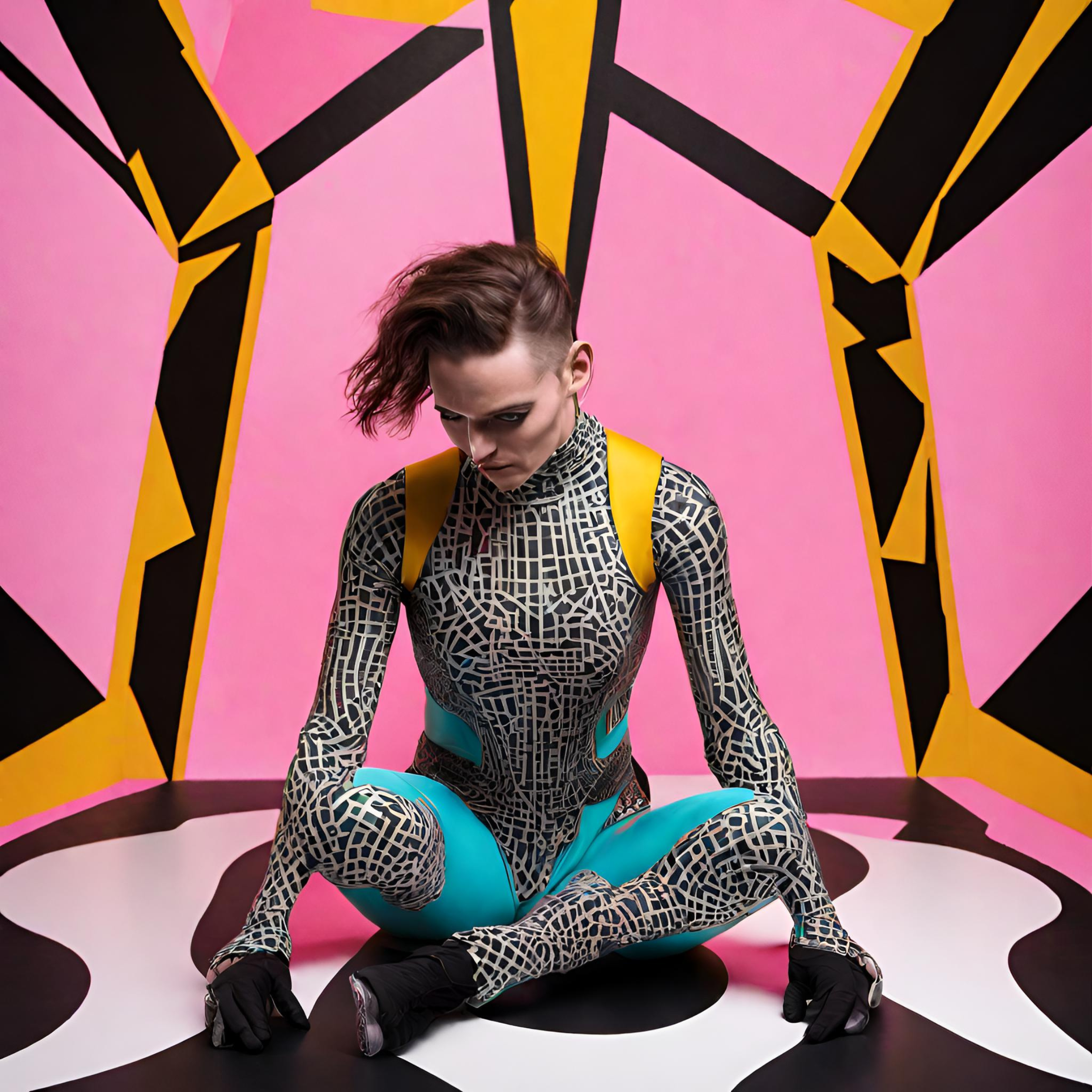
One Gear
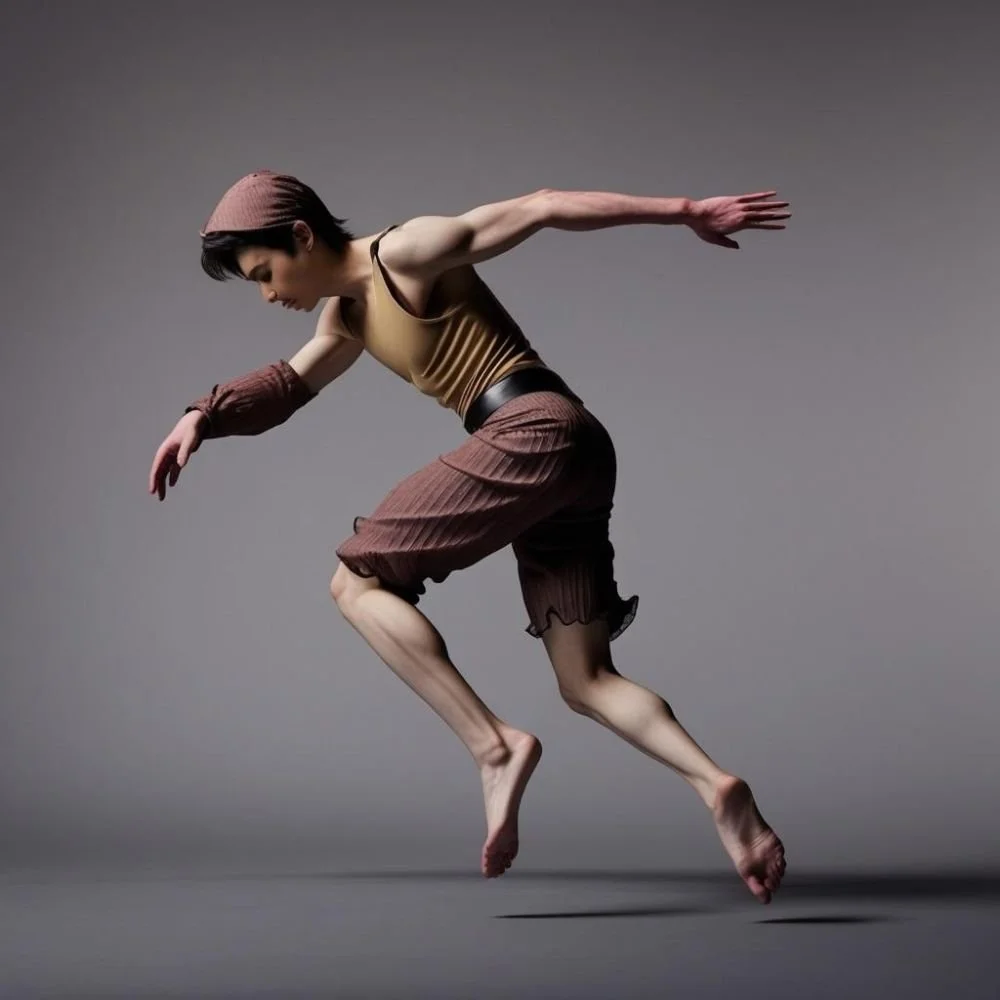
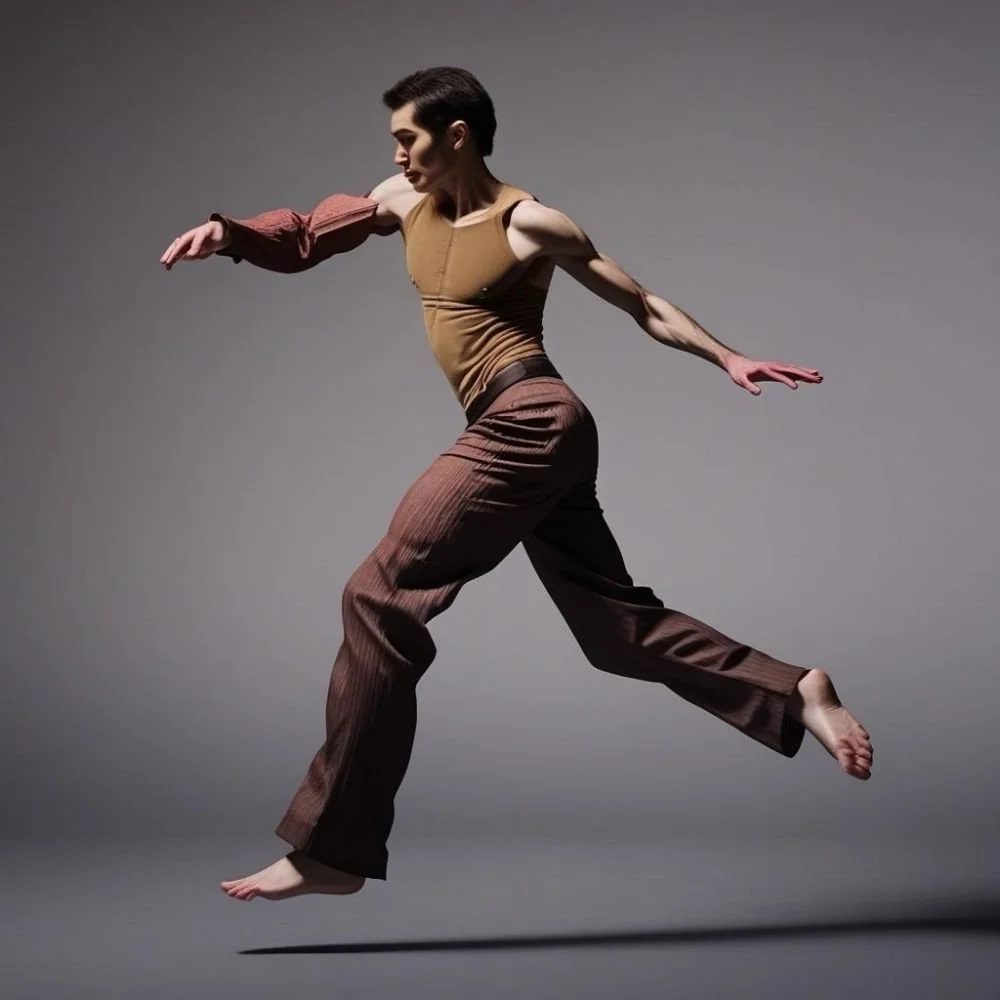
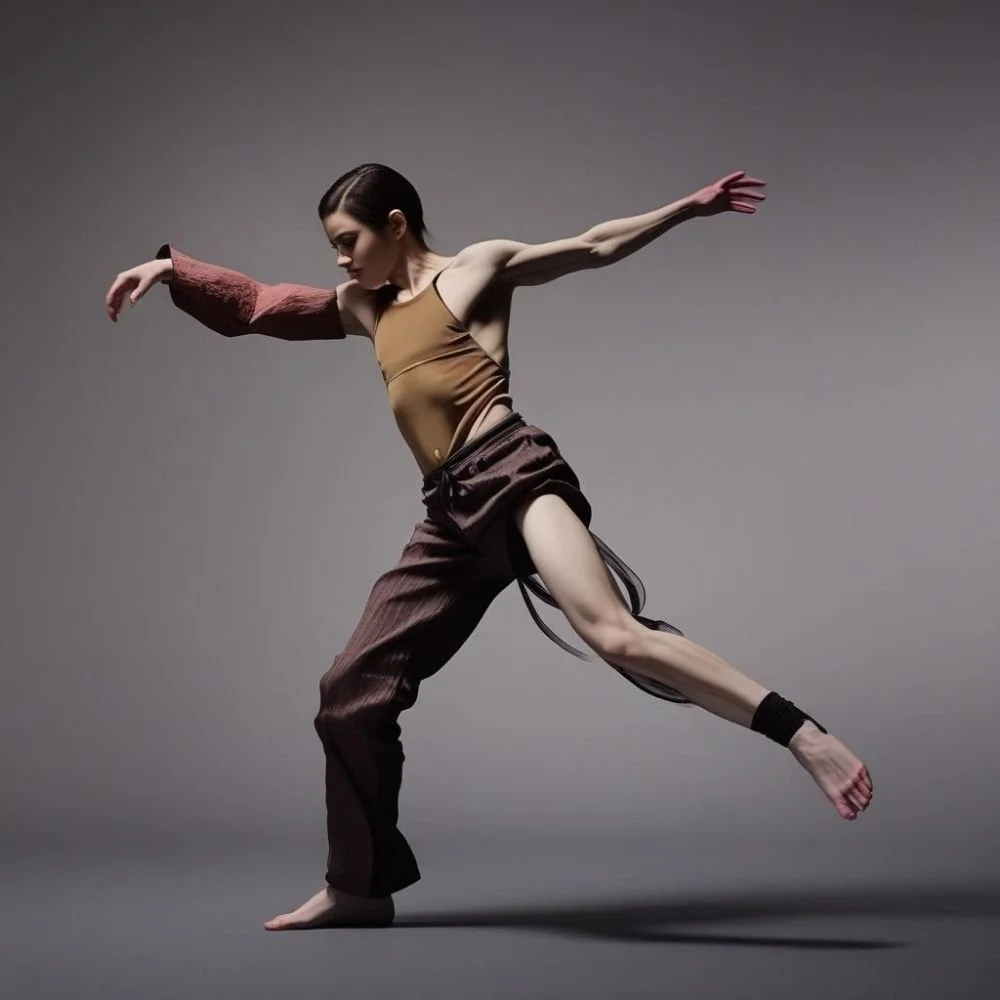
One Gear
by Suchu Tanyetz
I have worked with dancers who move like weather systems. Unpredictable, responsive, capable of becoming something entirely different between Tuesday and Thursday for reasons no one can explain. These dancers are difficult in their own ways, which I will not get into here because I have limited space and also several of them read this publication.
Then there are the others.
The others have a mode. The mode is extraordinary. You watch them and you think: this is why I do this, this is the thing, this is a body that has understood something most bodies never will. You cast them immediately. You are not wrong to cast them. The mode is genuinely extraordinary.
The problem reveals itself in week three.
I have seen this in both directions and I want to be precise about that, because it is not a flaw in one type of dancer. It is something closer to a law. The stronger the direction, the deeper the channel, the harder it is to move water any other way.
The powerful, percussive dancers — the ones who hit every count like they have a personal grievance against it, whose movement lands in the room like a fact — ask them for something fluid. Something that initiates from the core and travels outward sequentially, like a wave moving through the body rather than a fist moving through space. They will look at you. They will try. What you will see is the same movement, slightly confused about itself. It is recognizable. It is trying very hard. It is not the thing.
The fluid ones are no different. The gorgeous, continuous movers, the ones who seem to have no bones, only intention — ask them for sharp. Ask them for sudden. Ask them to punch the phrase and mean it. They will give you something soft that has decided to be sharp, which is a completely different phenomenon.
What happens next follows a pattern I now recognize immediately, though it took me an embarrassing number of years to stop being surprised by it.
First I try a different explanation. Then another. I use imagery. I use anatomy. I demonstrate again. I wonder, privately, whether I have made an error in perception — whether I have put this dancer in a box of my own constructing and am now demanding they confirm it. This is a reasonable thing to wonder. I have been wrong before.
But the dancer is also getting irritated, in the specific way that happens when someone who has received a great deal of confirmation — rightfully — about one extraordinary thing feels that confirmation being questioned. I am not trying to take the mode. I need one other thing, briefly, for sixteen counts. This distinction is not landing.
Let's take five.
I have stood in a great many hallways outside rehearsal rooms in cities I can no longer name and worked out, again, that I was going to keep this dancer. The mode is extraordinary. The piece would be lesser without it. I was going to quietly redistribute the qualities they couldn't access to the other bodies in the room, and no one was going to discuss this, and the piece was going to be fine.
Next rehearsal they are genuinely trying — I can see it, and I appreciate it, and it makes no difference. The thing is not available. It was never available. The conversation we just had did not create it.
So I camouflage. I rebuild the phrase around what they can do and let the quality I needed dissolve into the choreography where no one will miss it except me.
The piece was always fine.
The ones with the deepest channels were almost always the most extraordinary in their direction. That is not a coincidence. That is the same thing, seen from two sides. I understood this eventually. It took longer than it should have, but rehearsal hallways are good places to think, and I spent a lot of time in them.