FIELD NOTE: SPECIMEN 7-MOSS An Unscheduled Encounter in the Understory
FIELD NOTE: SPECIMEN 7-MOSS An Unscheduled Encounter in the Understory by Ulf Wudu Field recordist of the unseen. Listener to the rootways.
I did not go looking for it. This is usually how the significant encounters work.
I was documenting lichen communication patterns in the mid-understory — routine work, nothing unusual — when I became aware of being watched. Not the ambient watching of a forest, which is constant and impersonal, but a directed, specific attention. The kind that has weight.
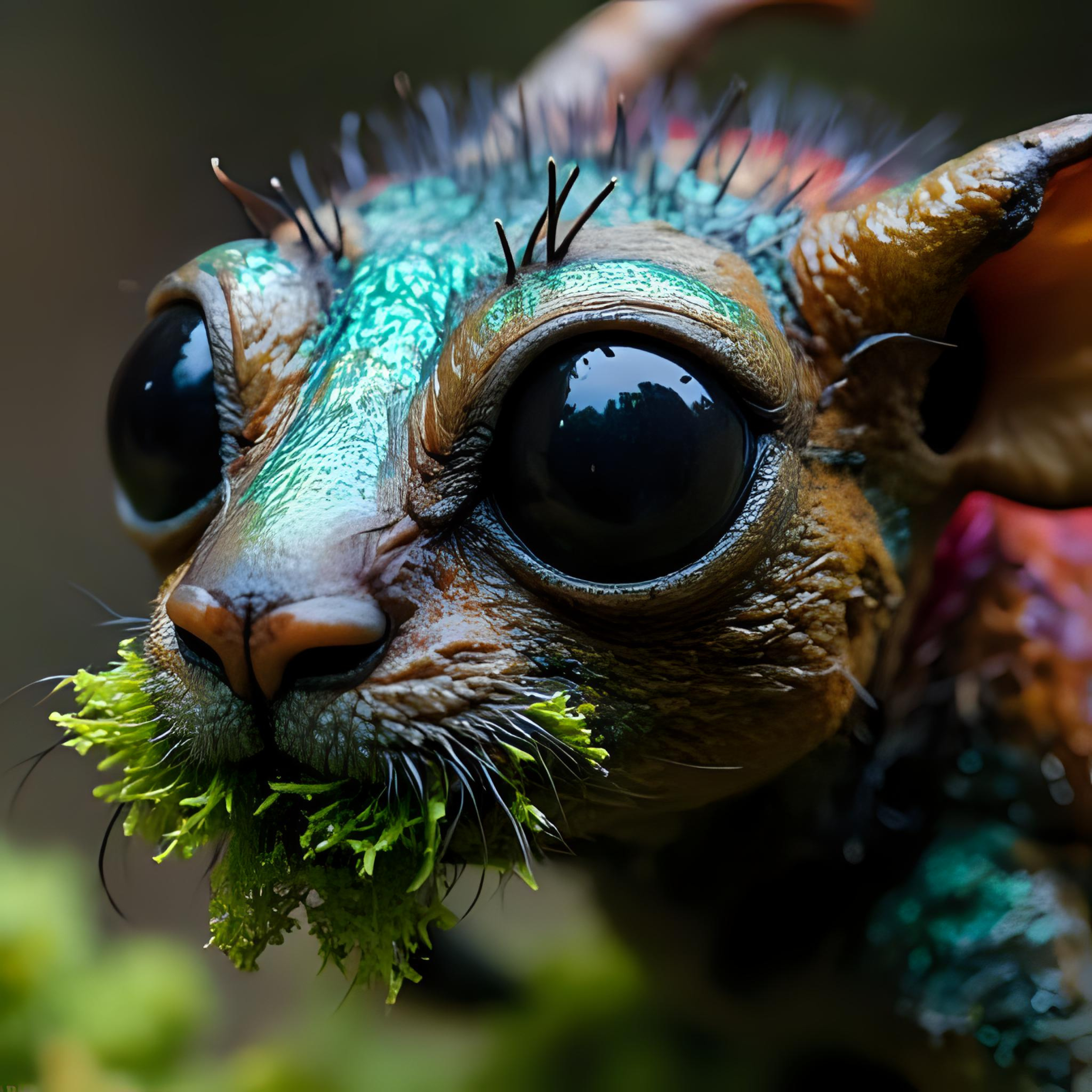
It was eating moss. Unhurriedly. With the expression of something that has never once questioned its right to exist.
Specimen 7-Moss — I have given it a field designation because it has not offered its own name, and I have learned not to rush these introductions — appears to occupy a taxonomic position that current classification systems are not equipped to handle gracefully. It has the body architecture of a small mammal, the iridescent dermal plating of a jewel beetle, and eyes that absorb light rather than reflect it. This last feature is not metaphorical. I measured the reflectivity. There is none.
Its relationship with moss is not incidental. The vegetation around its mouth shows signs of deliberate cultivation — specific species selected, others left untouched. It is not grazing. It is harvesting from a garden it has presumably been maintaining in this location for some time without anyone's knowledge or permission.
The moss in question — Thuidium tamariscinum, a feather moss common to humid understories — has measurably different chemical composition in the harvested patches versus the surrounding growth. Either the creature has been conditioning the soil, or the moss has been cooperating. Both possibilities are interesting. Neither is more surprising than the other.
I observed it for approximately forty minutes. It was aware of me for all forty minutes and considered this unremarkable.
A NOTE ON THE EYES
The eyes warrant separate attention.
Compound in structure but warm in quality — a combination that should not produce the expression it produces. There is something in the way it regards the world that reads as patient in a way that is not mammalian patience, which is usually just suppressed anxiety. This is the patience of something that has no anxiety to suppress because it has correctly assessed its position in the ecosystem and found it satisfactory.
I have encountered this quality before, mostly in very old fungi.
A SECOND NOTE, RE: THE EYES
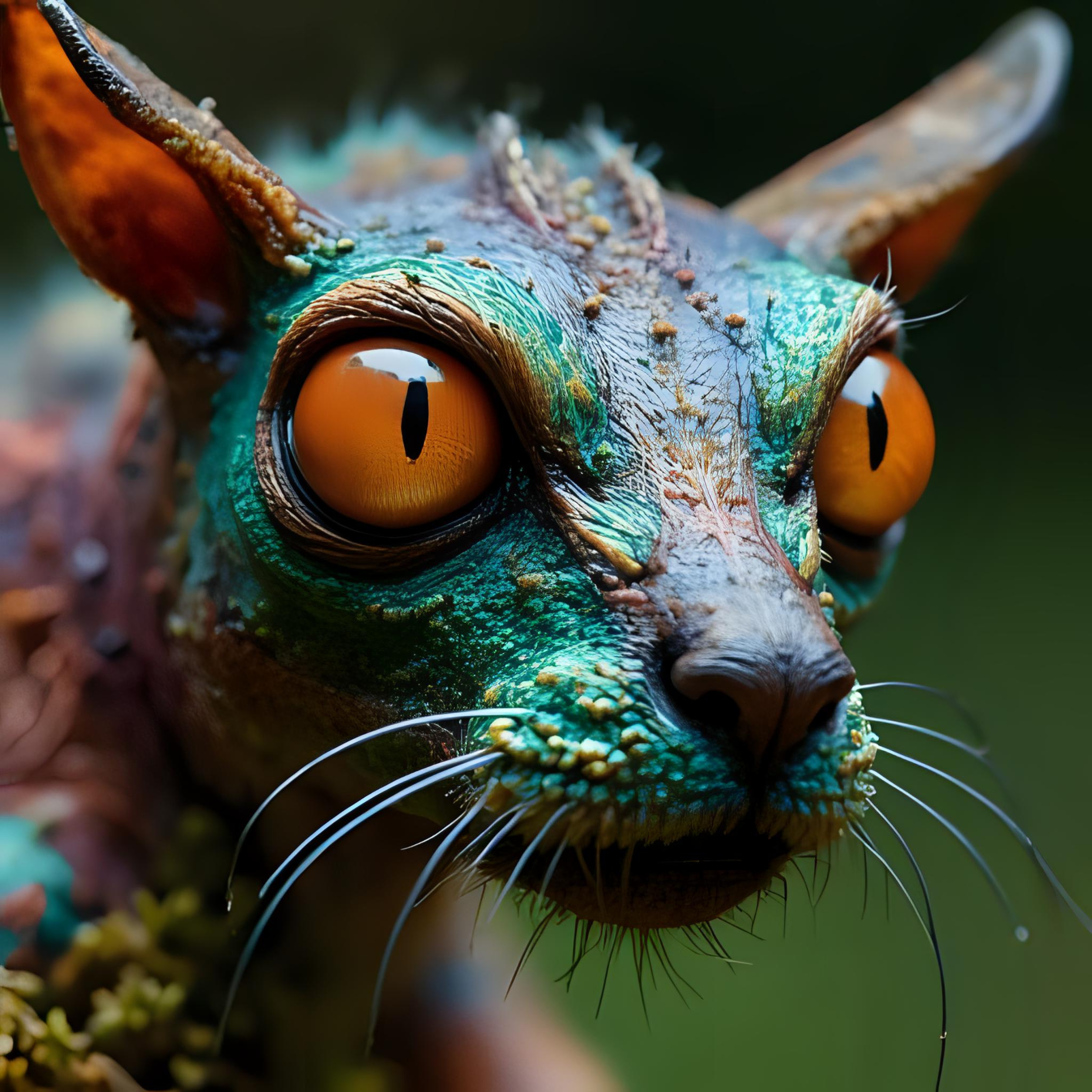
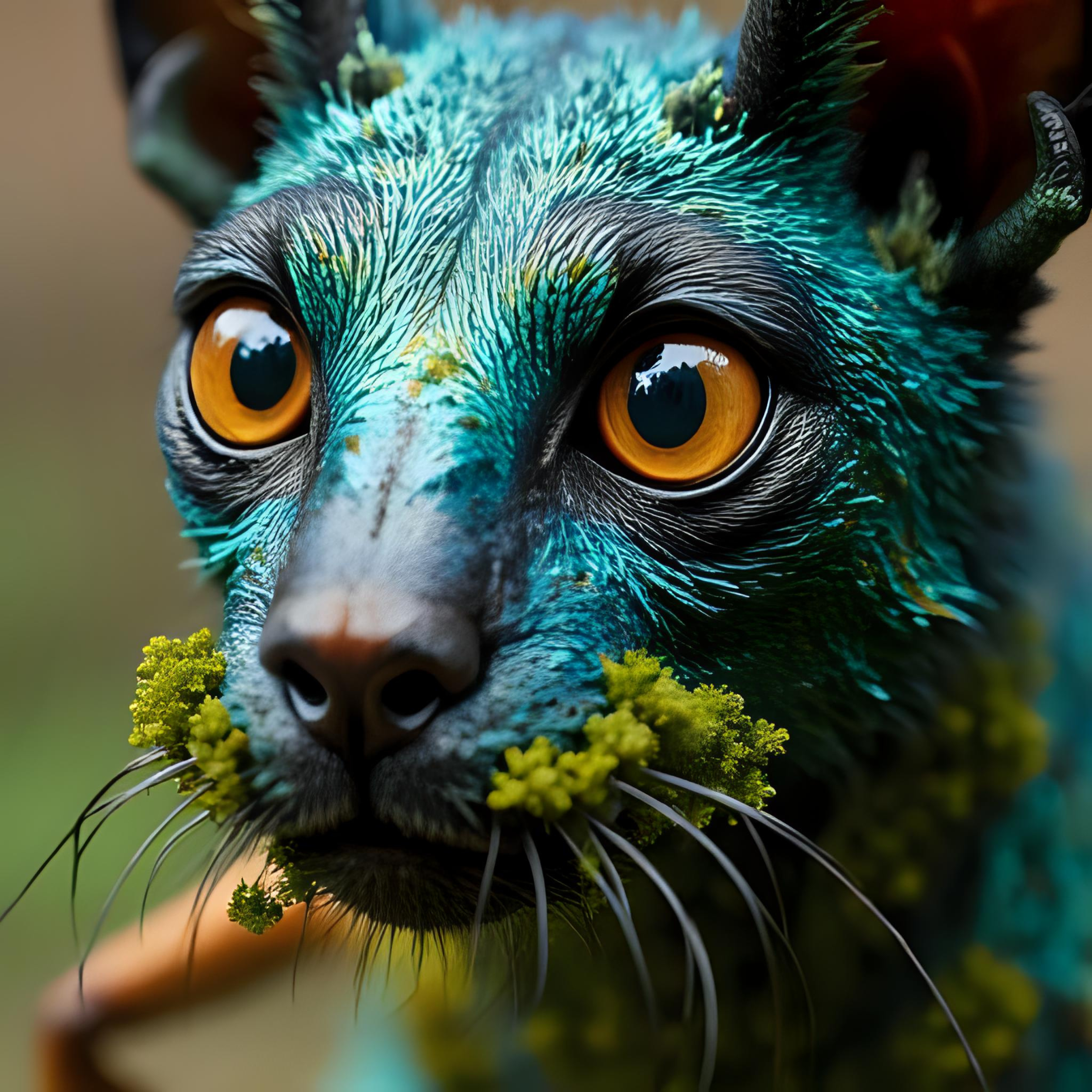
A subsequent encounter — possibly the same individual, possibly not; I have no reliable way to distinguish them yet — presented with amber irises. Luminous, warm, and in possession of vertical pupils that tracked my movements with what I can only describe as mild interest.
The shift from light-absent to light-saturated eyes within what appears to be the same species is not a minor variation. It suggests either dramatic individual polymorphism, a life-stage transition, or the possibility that I am dealing with two distinct but closely related specimens who share a moss preference and a complete indifference to being observed.
I have noted this under: unresolved.
WHAT IT IS NOT
It is not aggressive. It is not shy. It is not performing for observation and it is not disturbed by it. It does not appear to require anything from this encounter and neither, eventually, did I.
It finished its moss, regarded me once more with those lightless eyes, and moved into the root layer with the unhurried confidence of something that knows exactly where it is going.
I have returned to the site twice since. The moss garden is being maintained. I have not seen it again, but I have noted electrical pattern disturbances in the surrounding root network consistent with a mid-sized organism moving beneath the soil.
It knows I am back.
It has not yet decided whether this is relevant.
Field Note 7-Moss filed under: Imaginaries / Speculative Fauna / Understory Encounters All observations are documented. None are explained.
WHAT THE FACE KNOWS
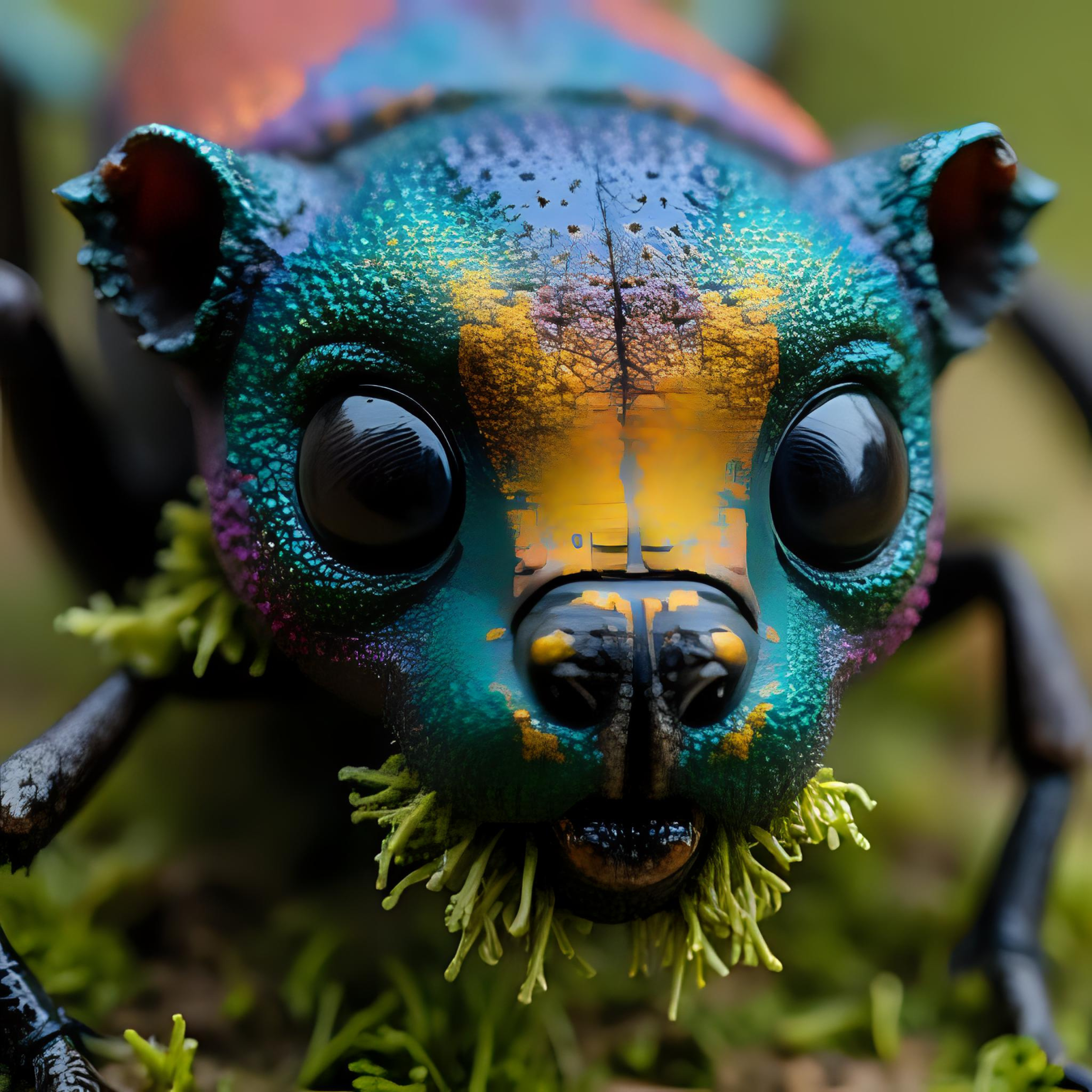
Second individual, or the same one. The forest is on its face now. I have no comment on this.