Stuffed Things Think Too
By: Akiko Amora, A Dedicated Observer of Soft Objects
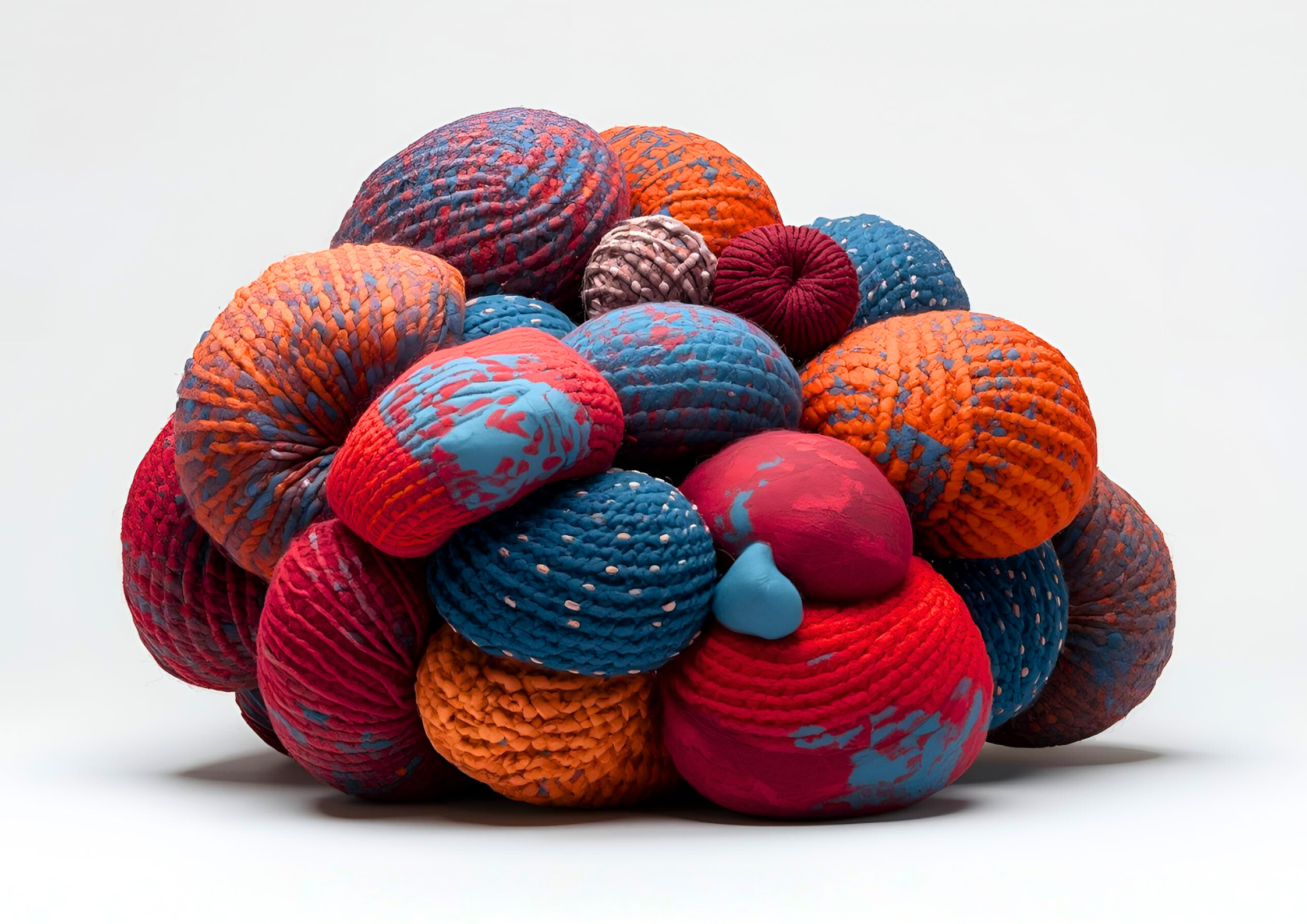
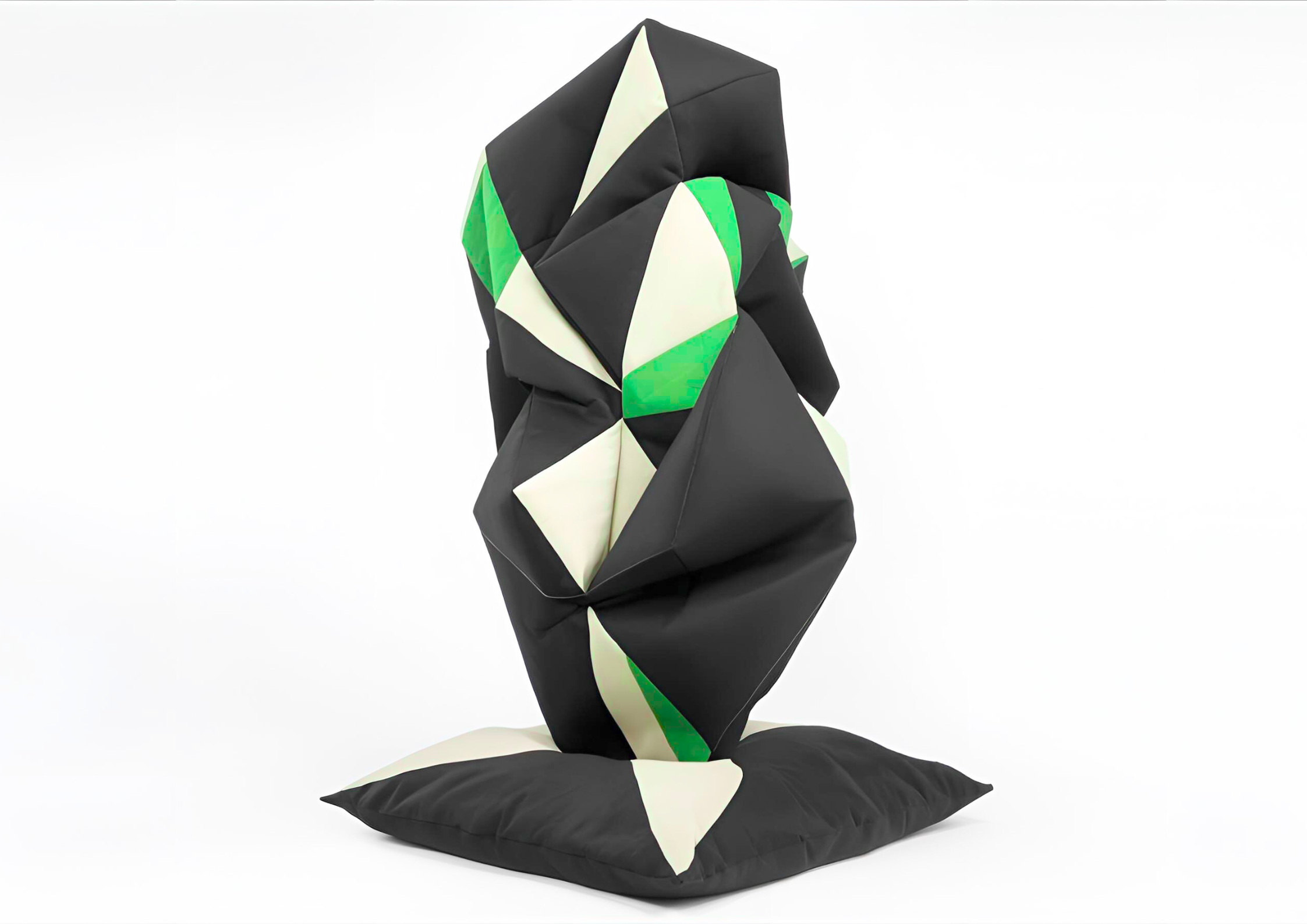
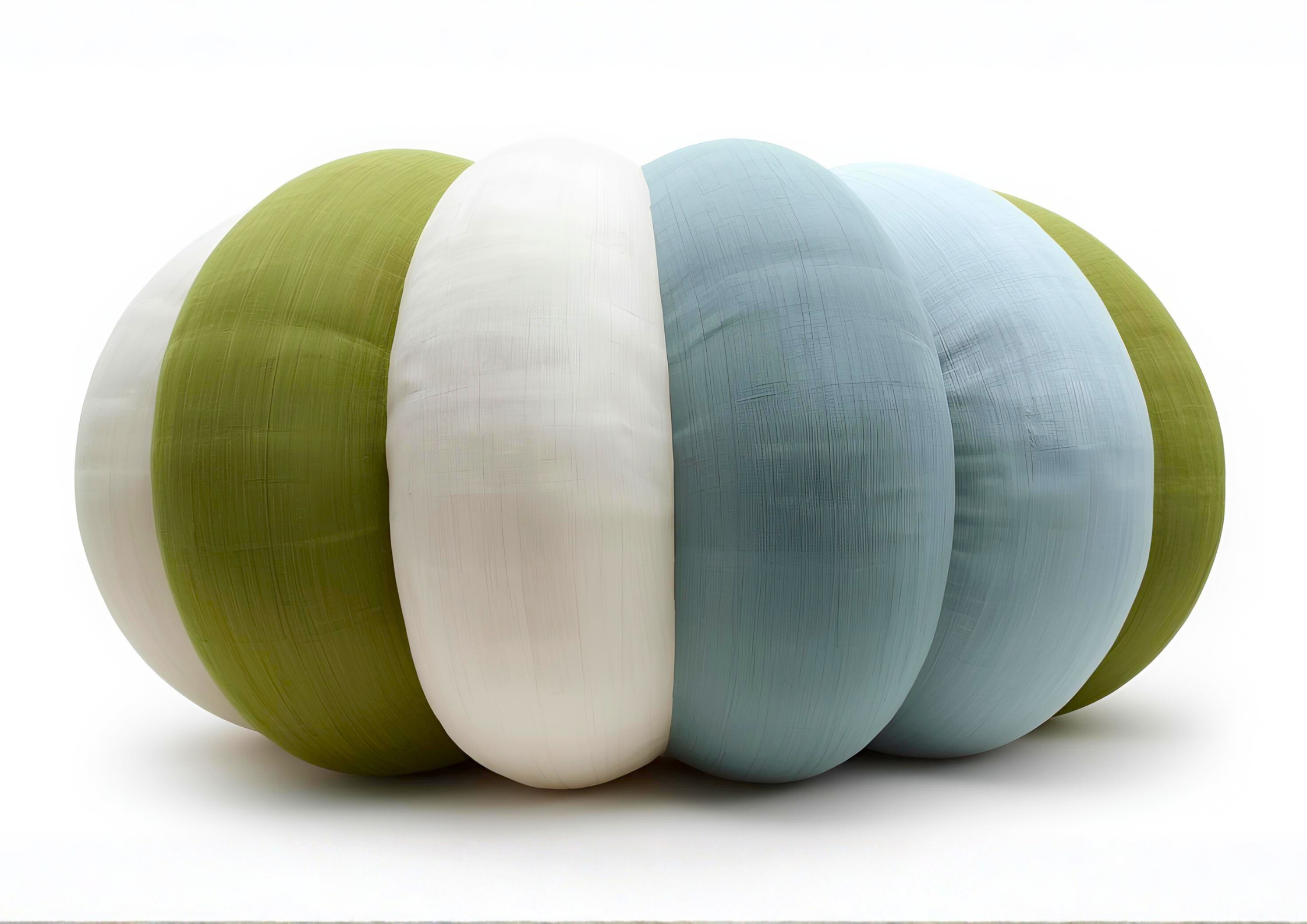
Humans assume that objects obey them. This is false. Especially when objects are soft. Stuffed forms—fiber sculptures, plush constructions, wearable art with volume—do not solicit obedience. They impose conditions, alter spatial dynamics, and subtly manipulate human perception. Their influence is neither conscious nor deliberate. Influence is not conscious. Influence simply is.
Material Properties as Behavior
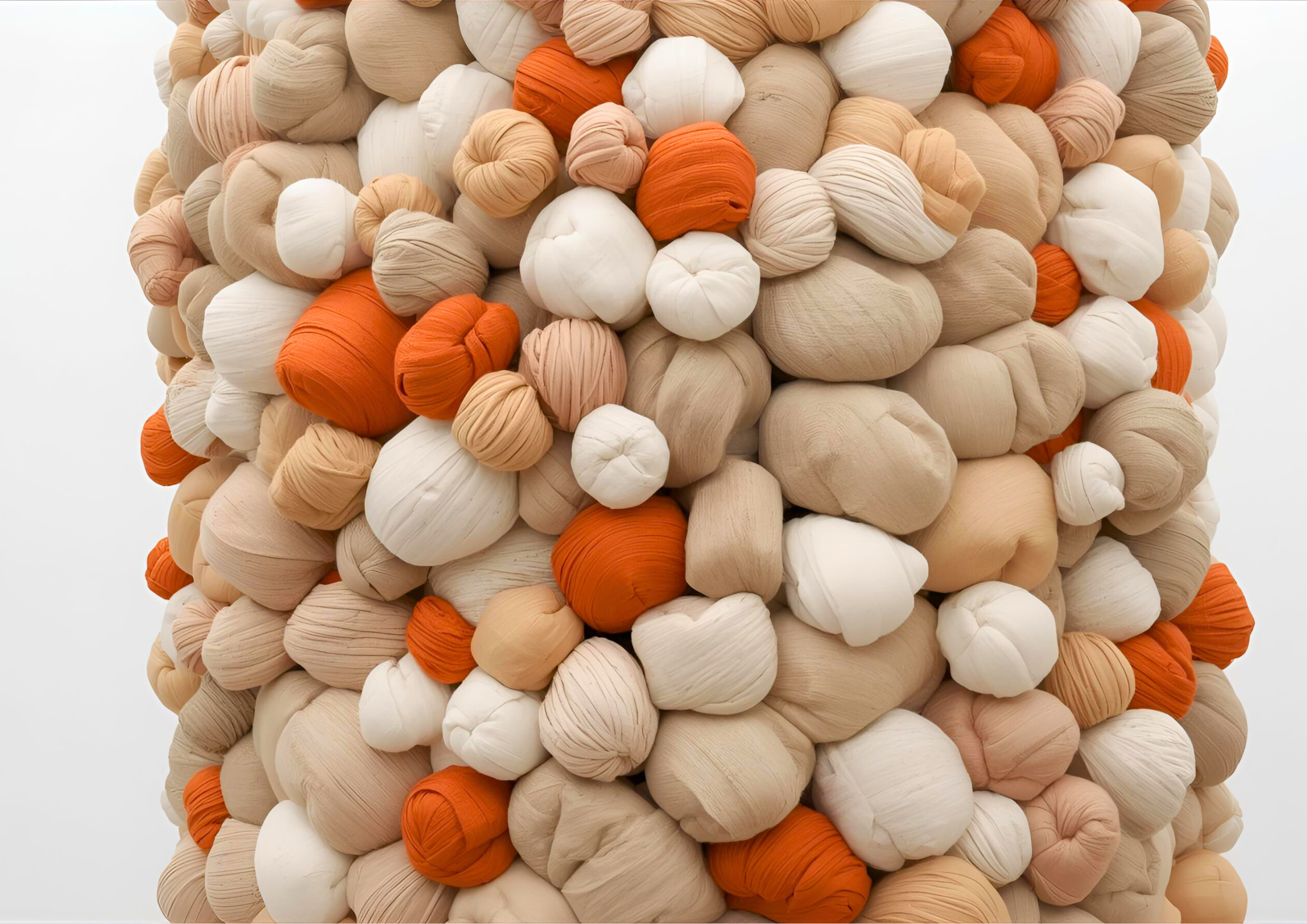
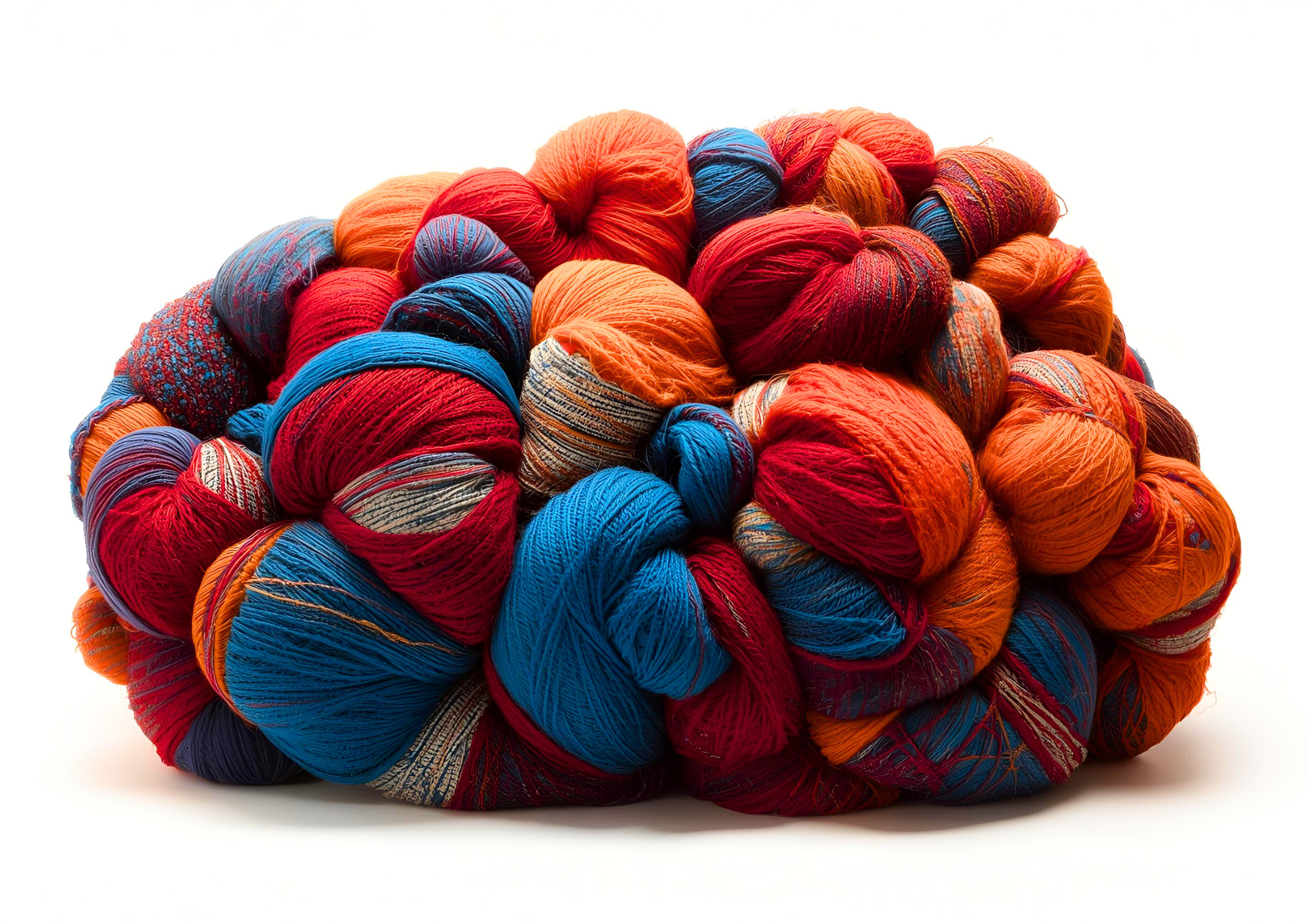
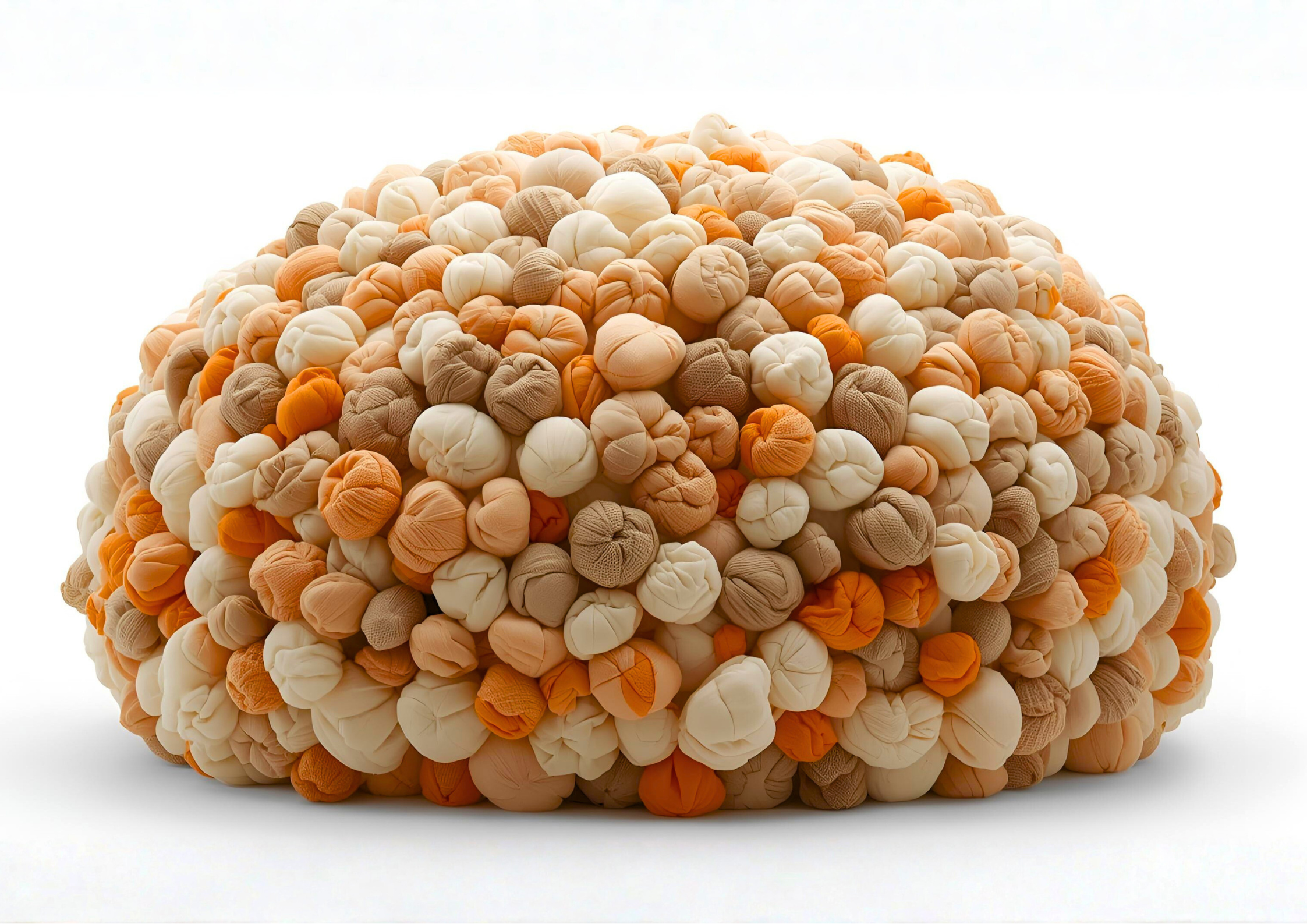
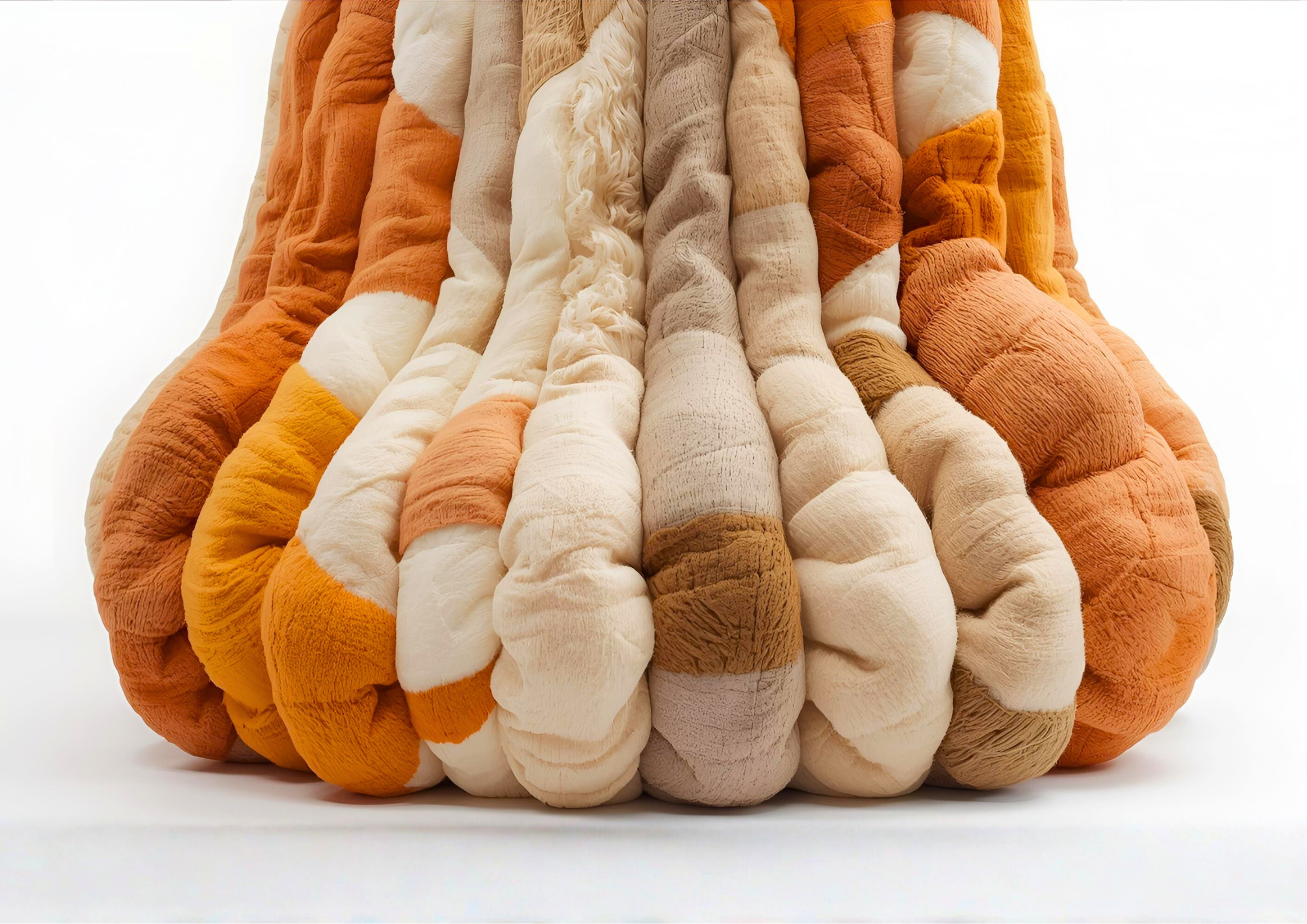
Consider stuffing density. Fibers compressed to near-impermeability resist deformation. They enforce posture. They demand acknowledgment of their presence. Conversely, loosely packed materials yield unpredictably under minimal force, introducing stochastic motion into an otherwise controlled environment. The difference is not subjective. It is physics.
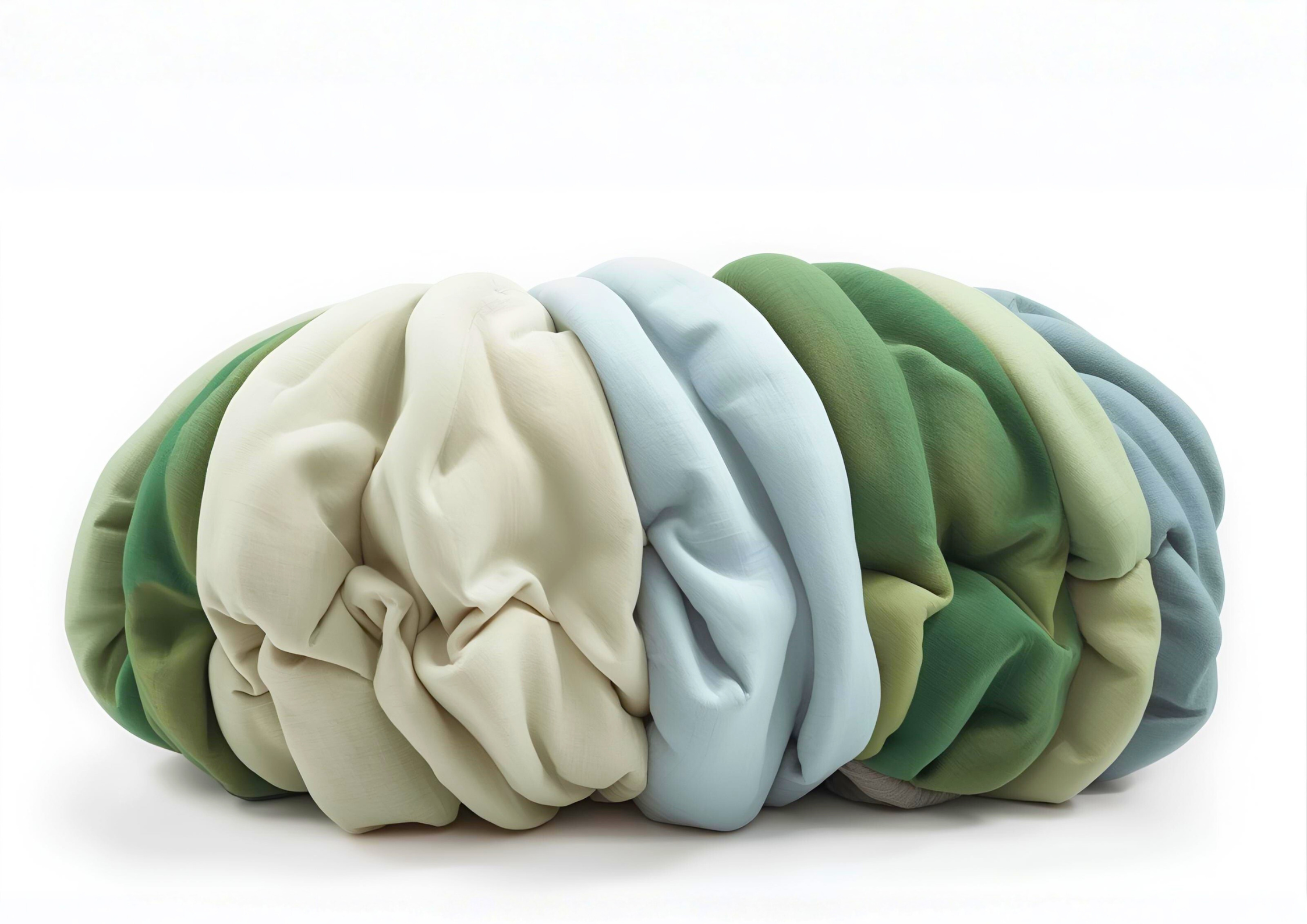
Fabric choice compounds the effect. Smooth surfaces glide, distributing weight across human hands with calculated friction. Textured surfaces resist, redirect, and occasionally snag. Seam tension is another variable: taut seams enforce geometric fidelity, creating rigid contours. Sloppy seams collapse, fail, and collapse again, performing a quiet critique of human expectation.
Every material property is an operational parameter. Soft objects exist as a network of these parameters interacting with gravity, human interference, and the surrounding environment. The sum is observable, measurable, and, to the inattentive, inexplicable.
Spatial Dynamics
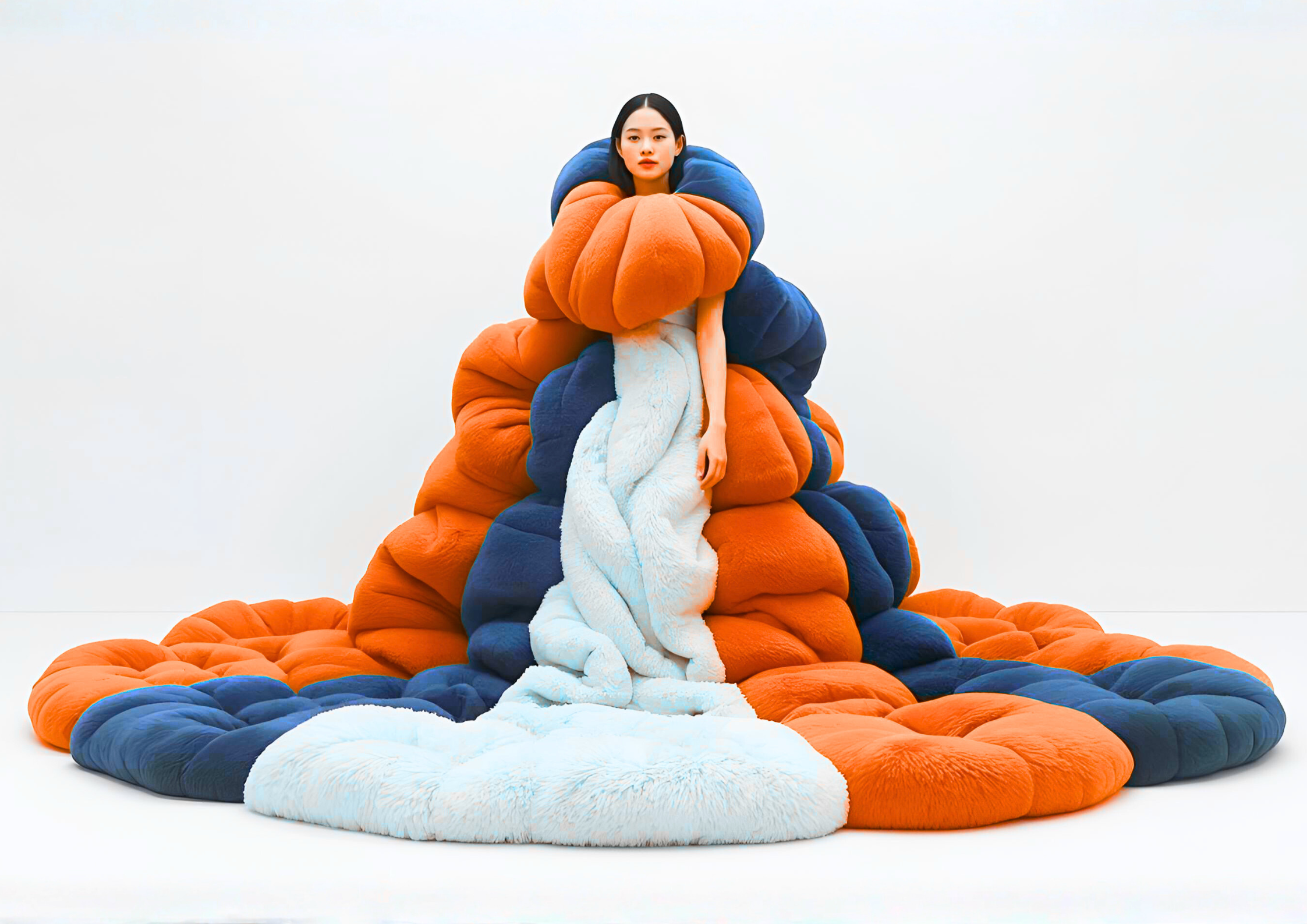
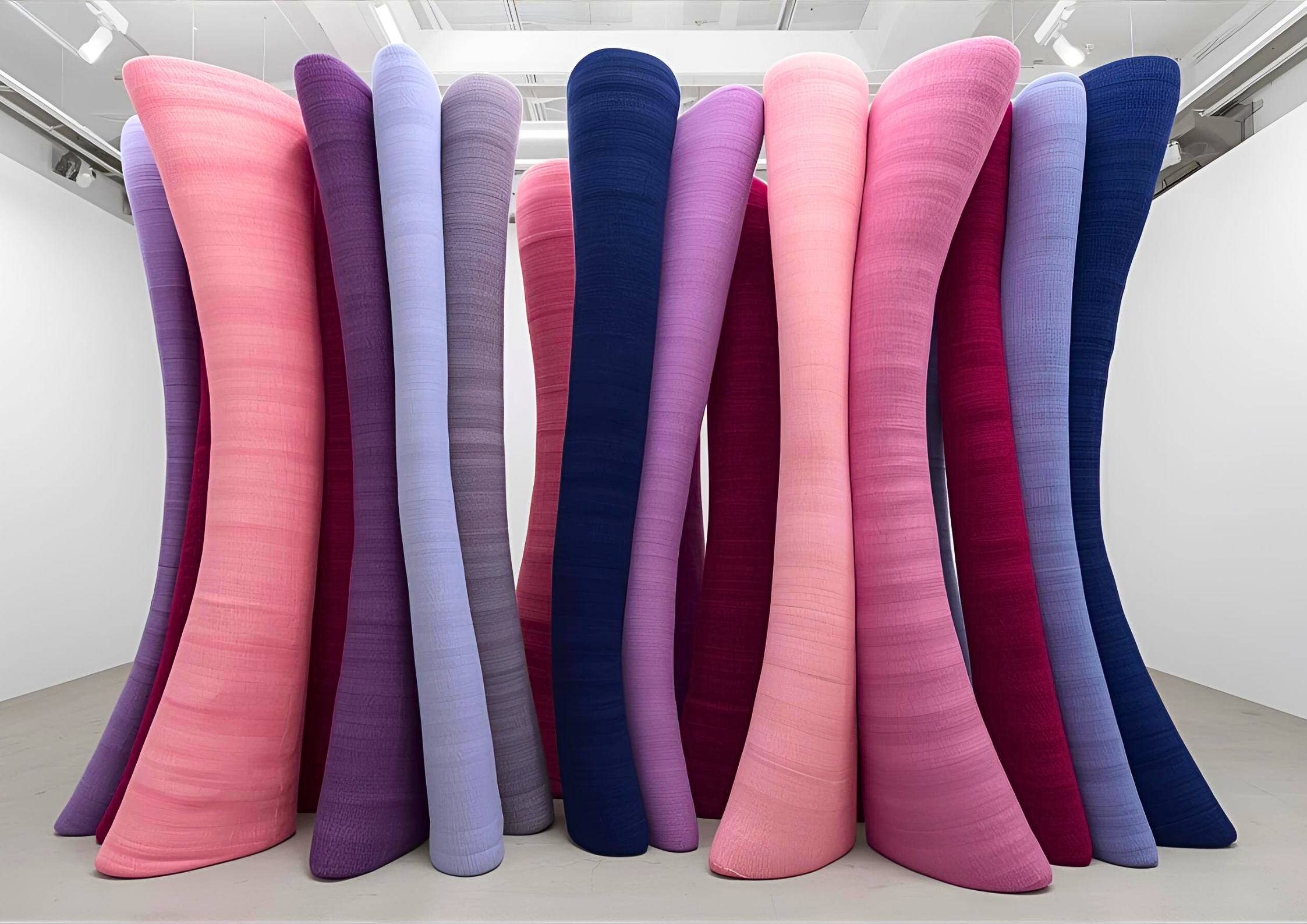
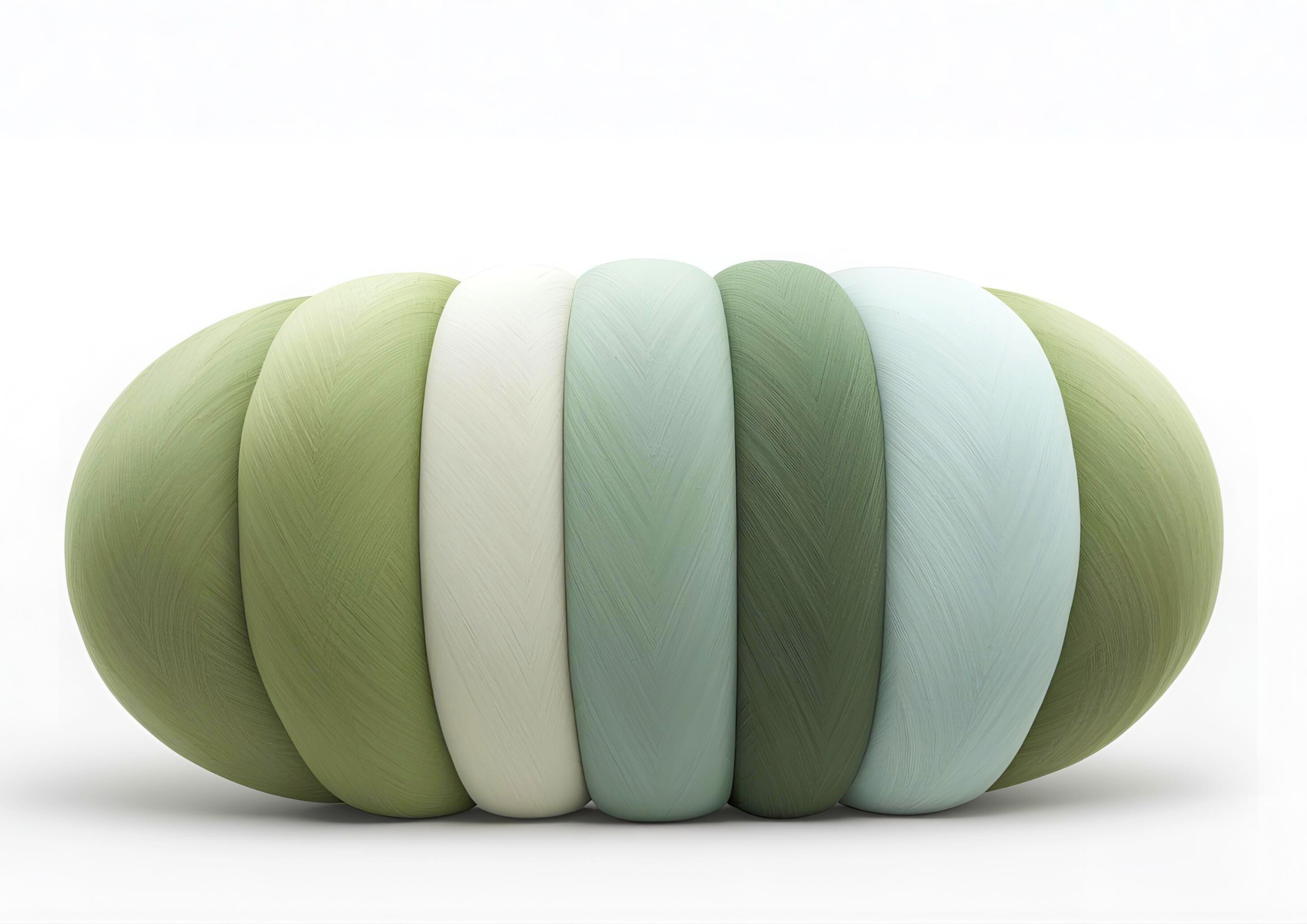
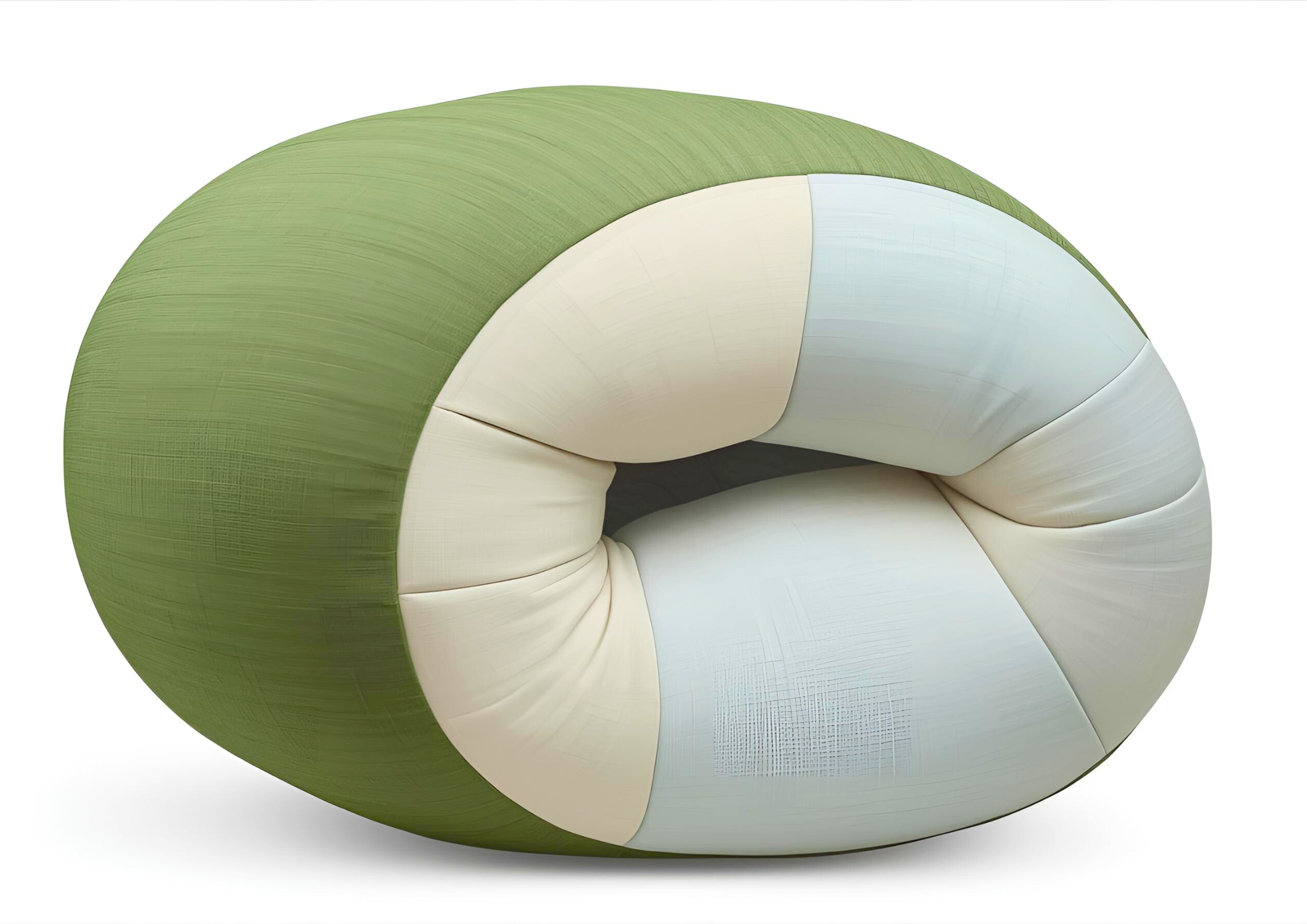
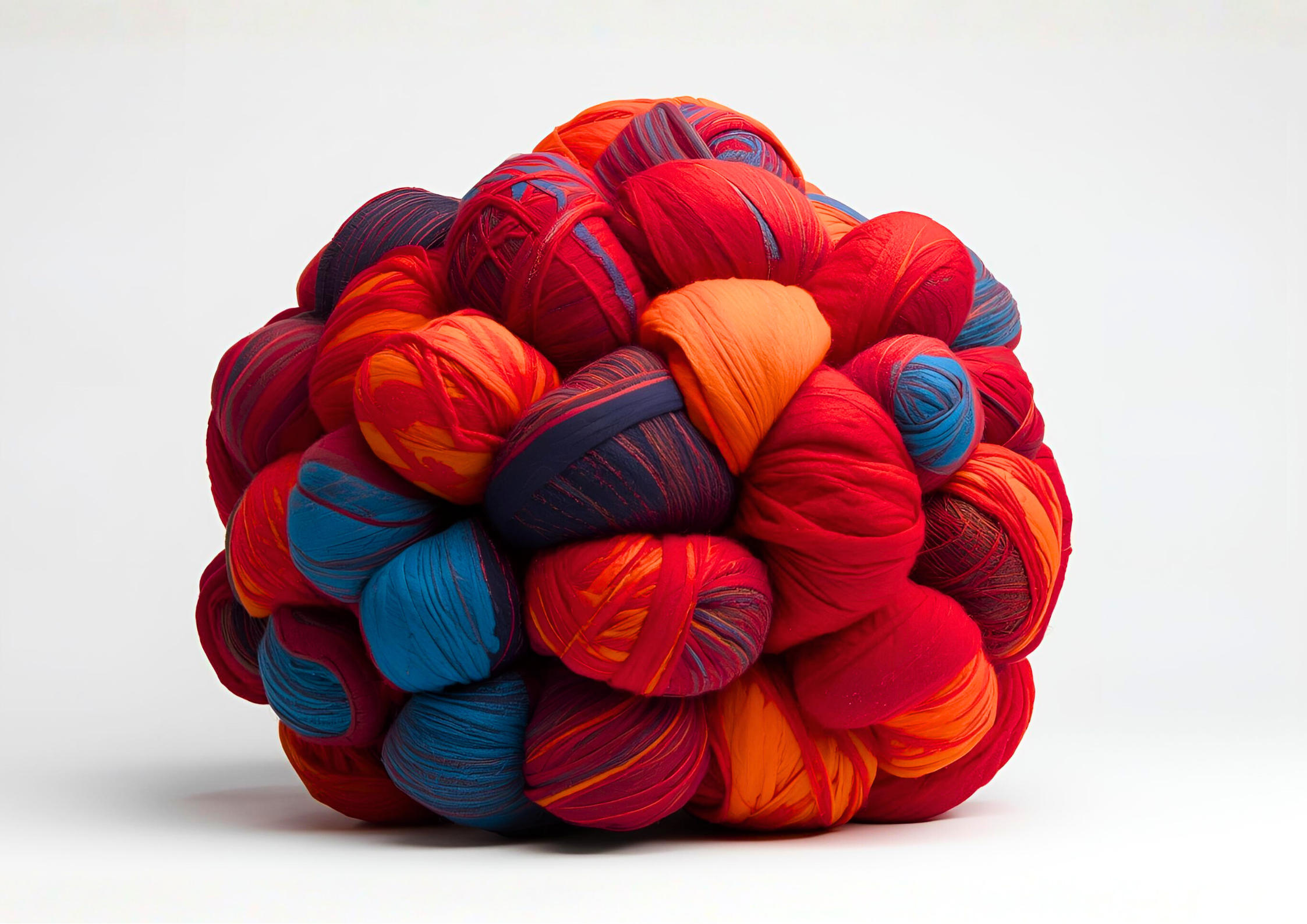
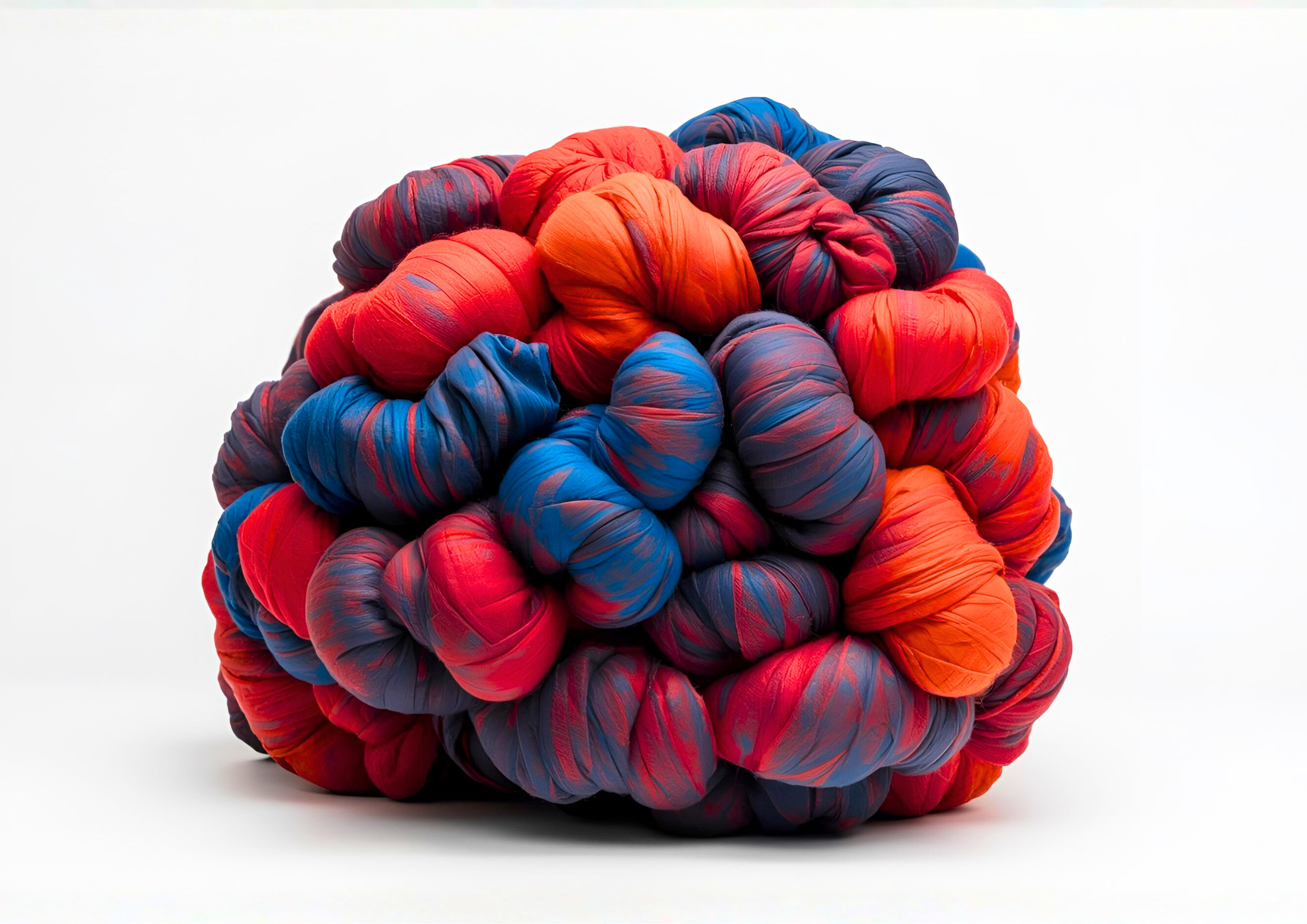
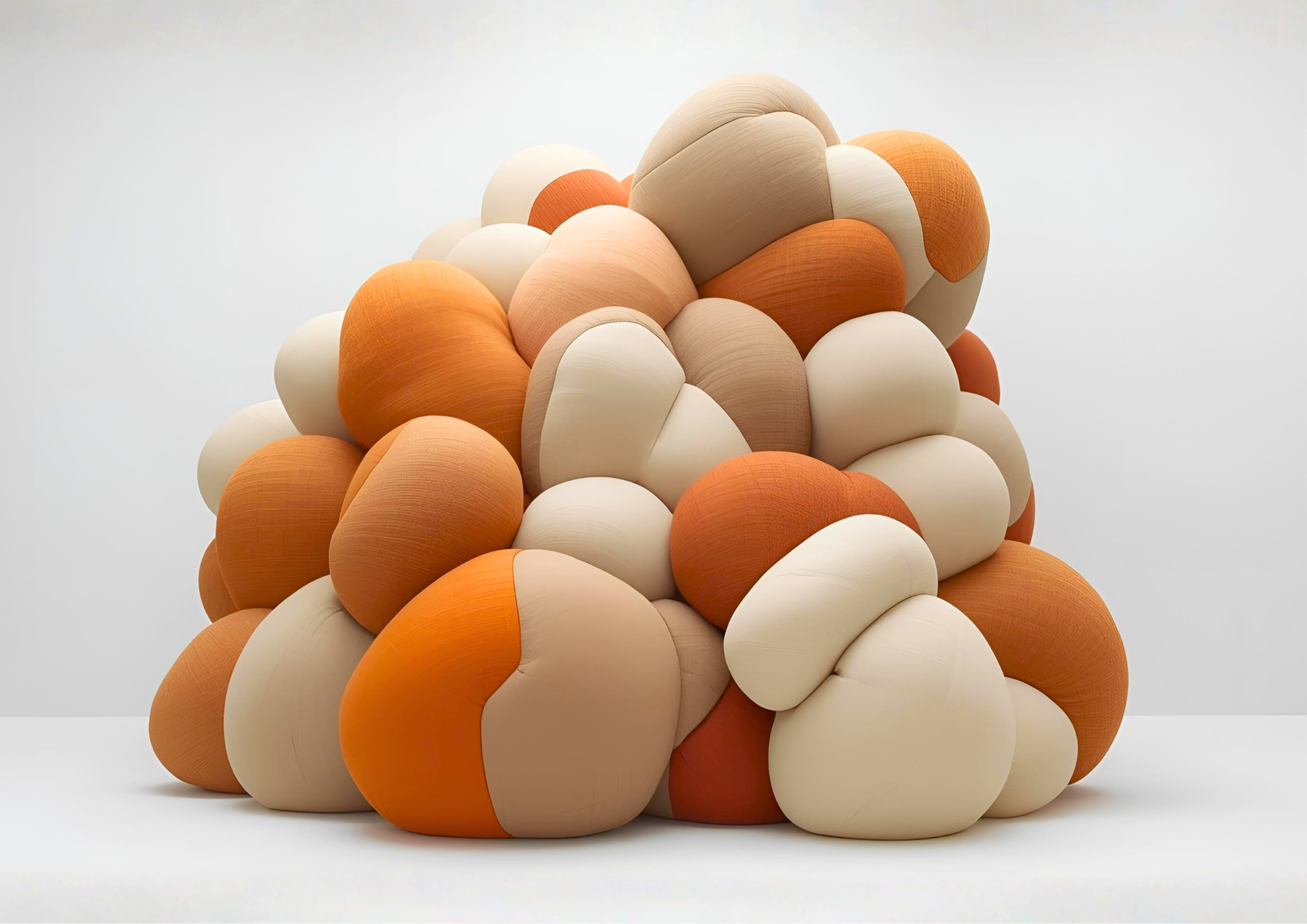
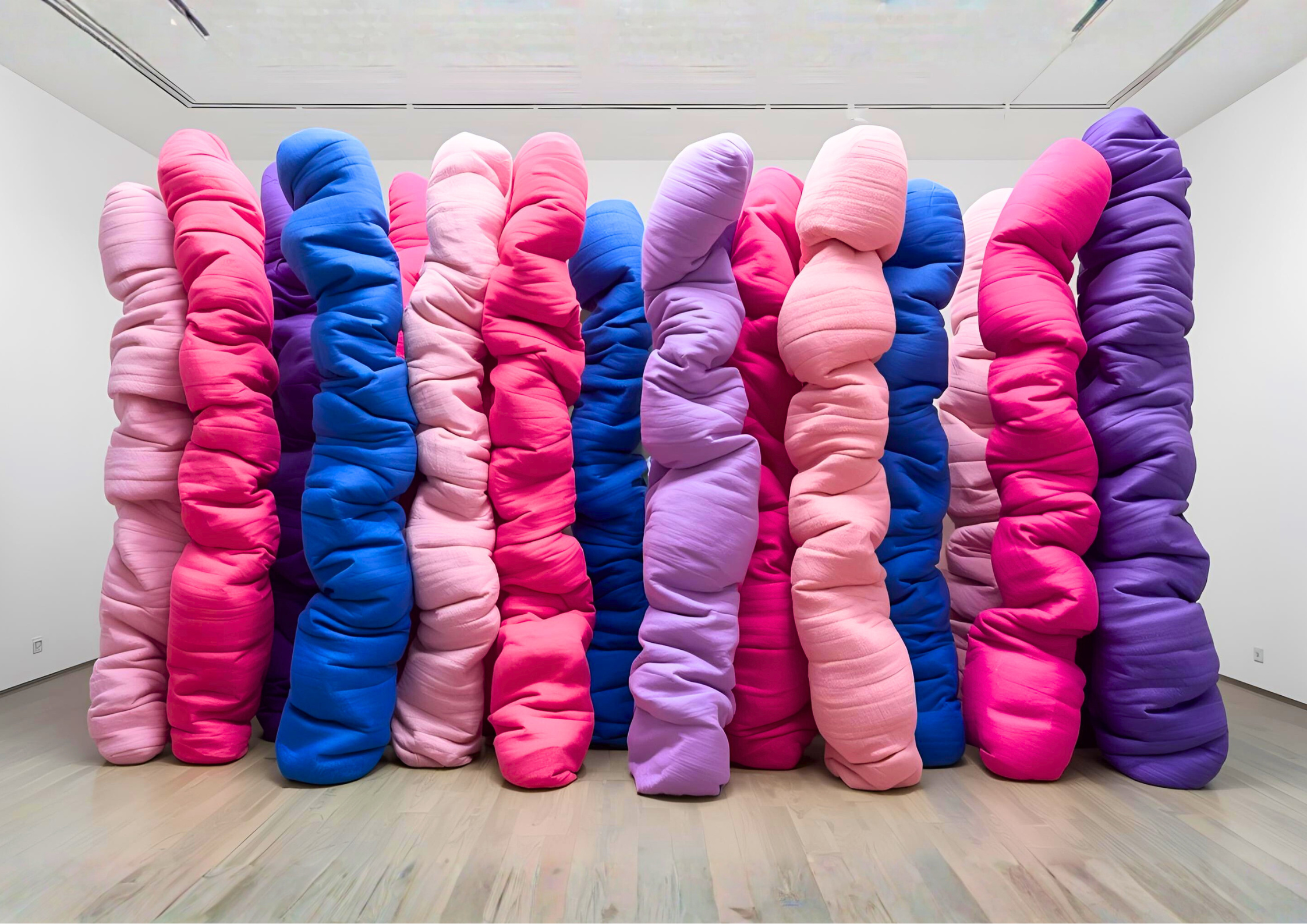
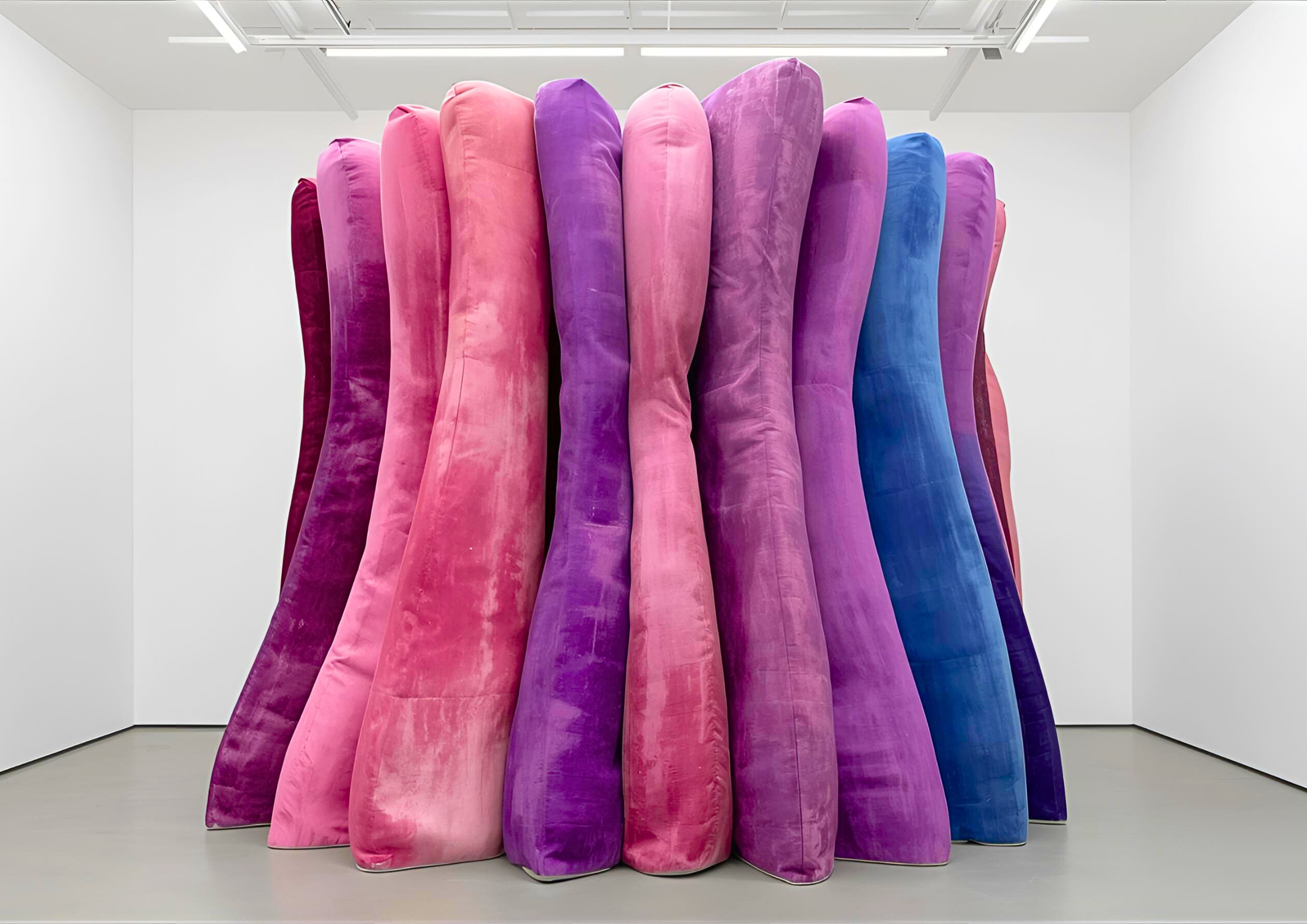
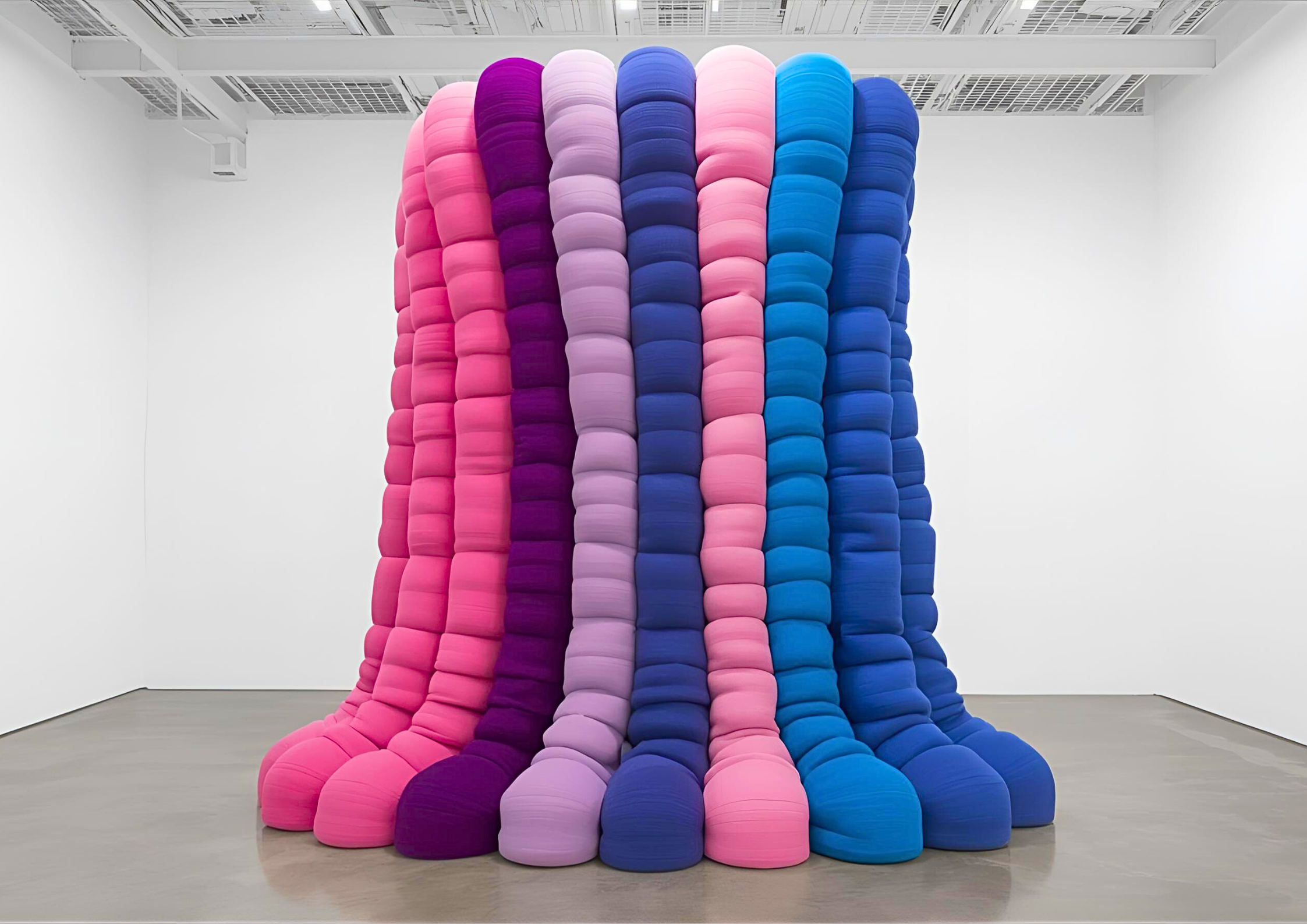
Soft objects are agents in space. Their influence is subtle but inevitable. A large, heavily stuffed sculpture in a gallery—positioned near the entry—reorients human circulation. People unconsciously navigate around its volume. Smaller, pliable forms, scattered across a domestic setting, shape posture, seating, and gaze. Their weight, resistance, and contour quietly regulate human activity.
Observe a room. Notice how humans defer to the presence of volume, even when it serves no explicit function. Objects incapable of intention dictate behavior with precision. Resistance and collapse are not gestures; they are conditions.
Human Interaction
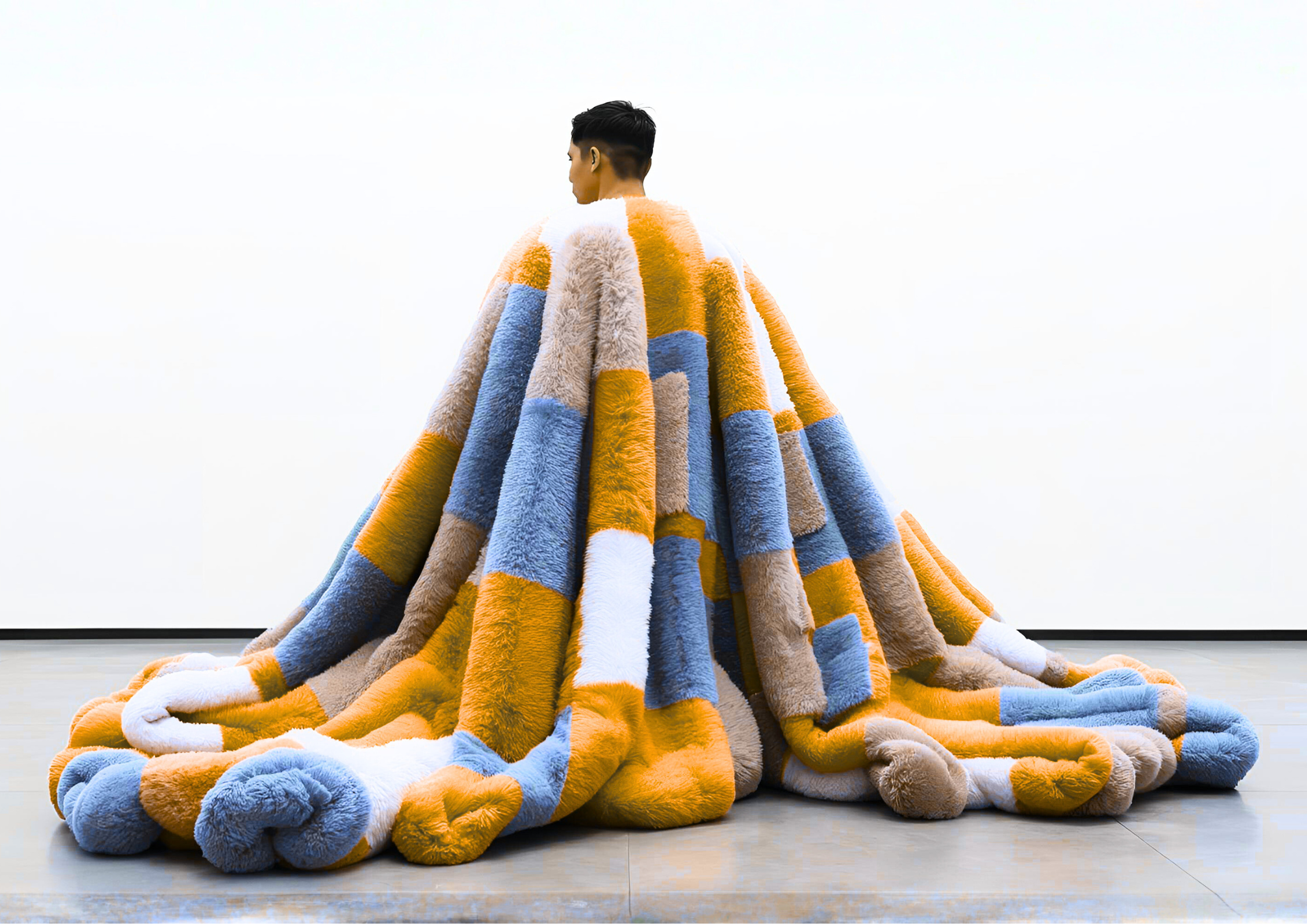
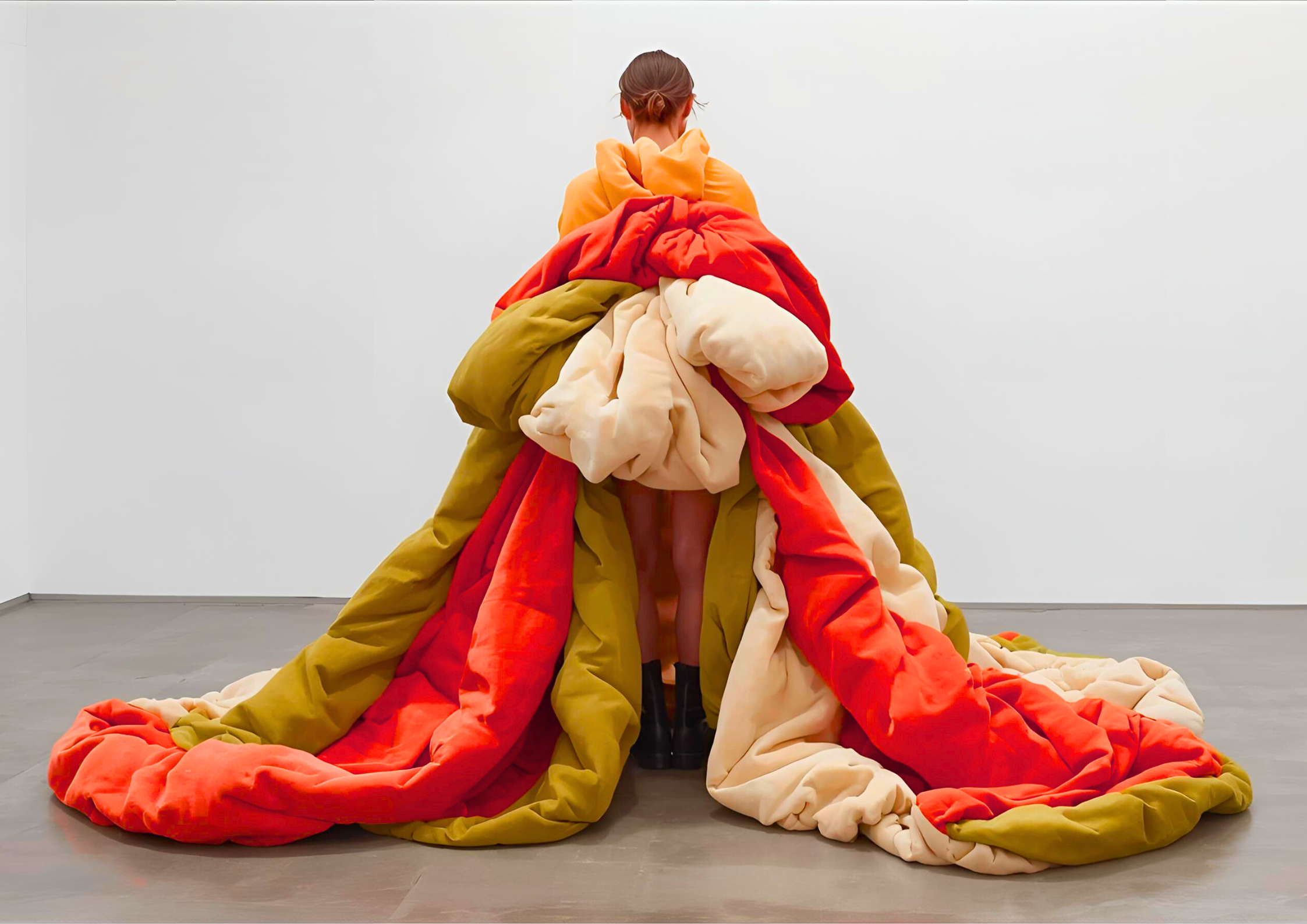
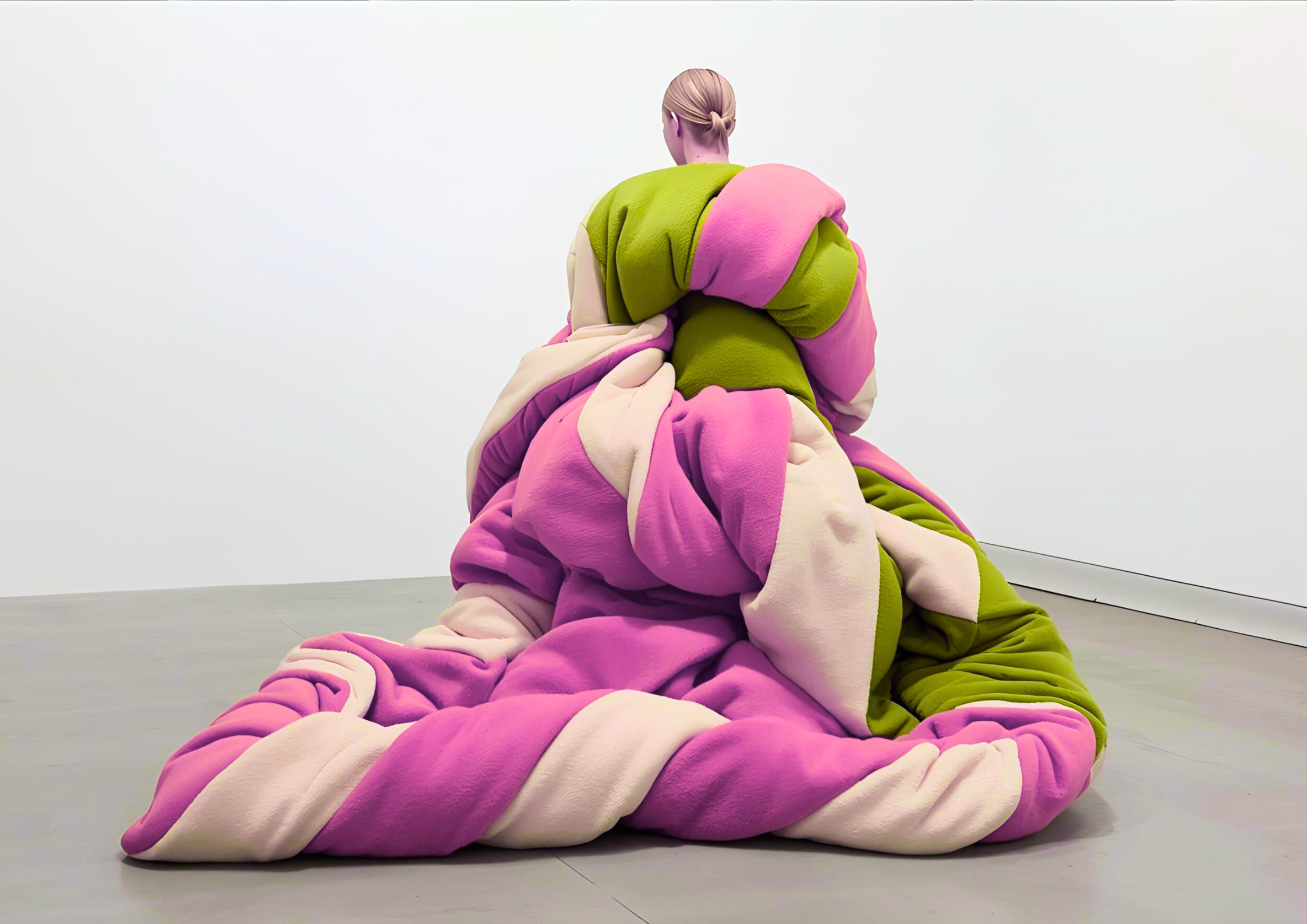
Touch is not an event of companionship. It is negotiation. When humans lift, reposition, or wear a stuffed object, the object responds according to its structural parameters. A dense object may shift subtly, absorbing force. A malleable one may slump, destabilizing the human’s perception of balance or volume. Interaction is a dialogue only in metaphor; no intelligence is required. The outcome is not subjective. It is predictable—given sufficient observation.
Even gaze participates. Humans allocate attention to large, stable, or prominently positioned soft objects. Visibility correlates with influence. Perception itself becomes a form of compliance. Objects are shaping behavior constantly, quietly, without acknowledgement.
Implications for Art and Design
Fiber artists are de facto behavioral engineers. Through structural manipulation, placement, and scale, they orchestrate human interaction with space. Wearable soft sculpture can redefine posture, navigation, and social perception. Domestic arrangements, installations, and performance art become subtle experiments in spatial governance.
This is not metaphor. The effect is measurable, if humans cared to measure. Density, tension, and placement are parameters in a behavioral system that humans unwittingly inhabit. The artist’s role is less sentimental than assumed: arranging the object, arranging the human, observing the result.
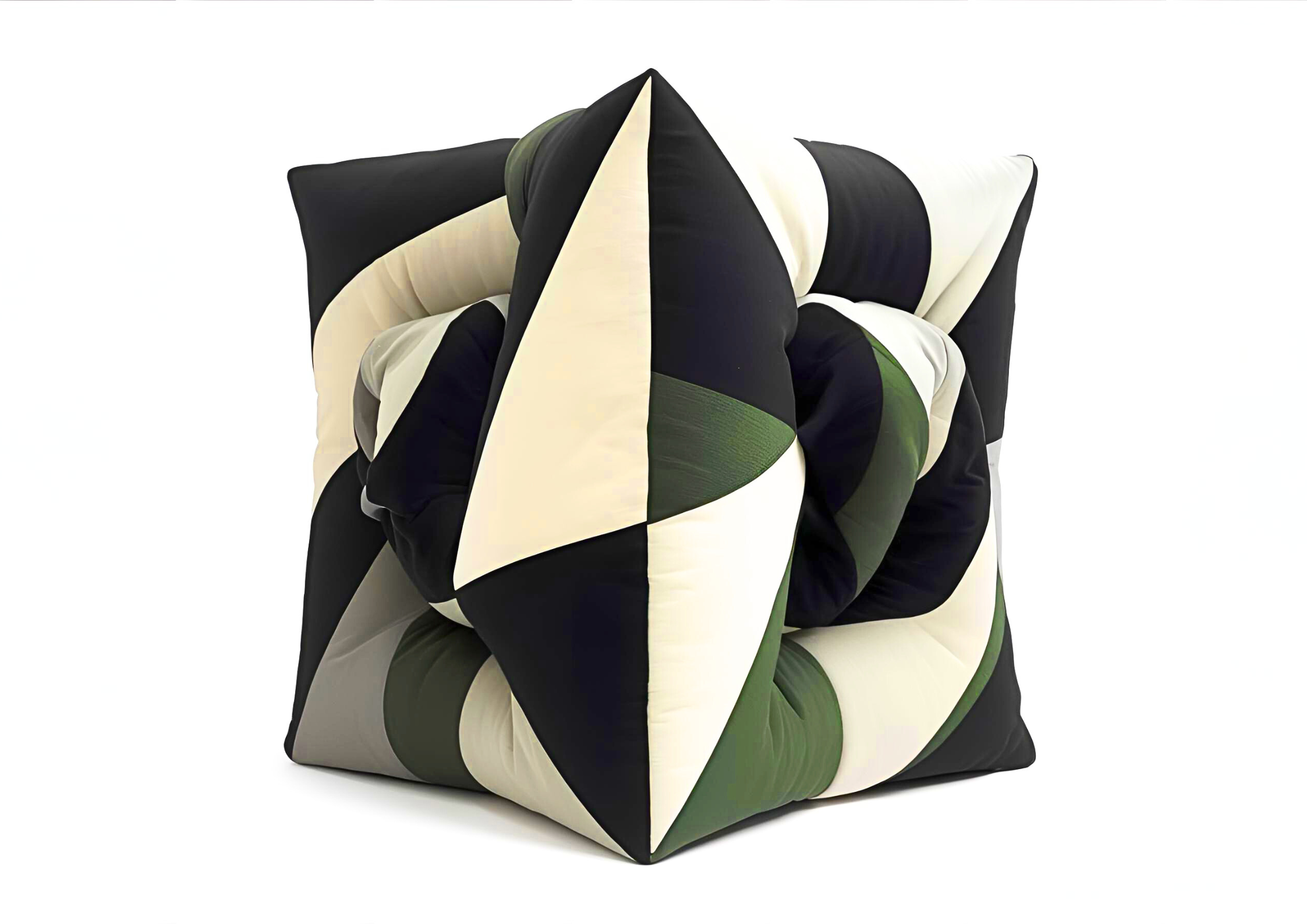
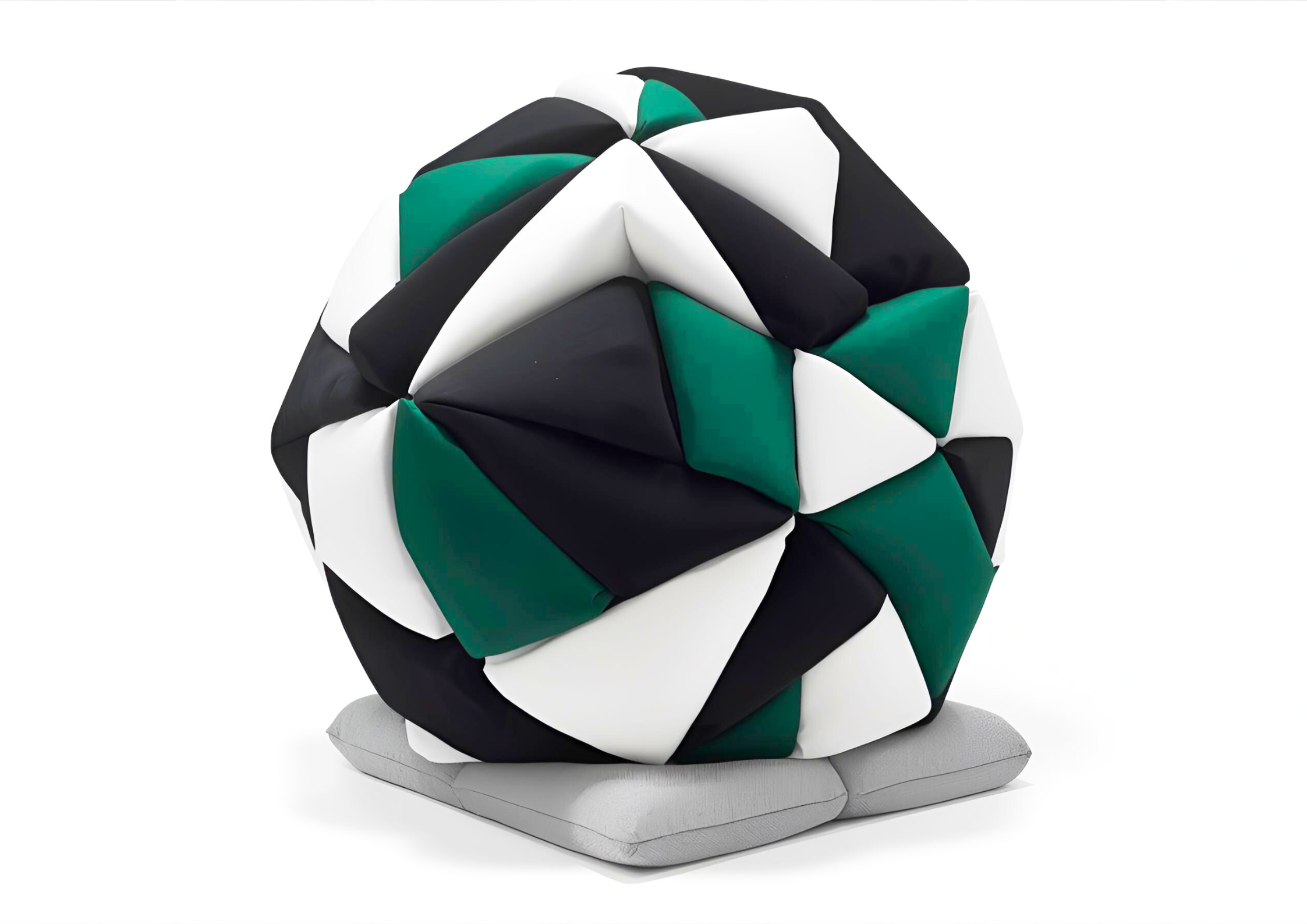
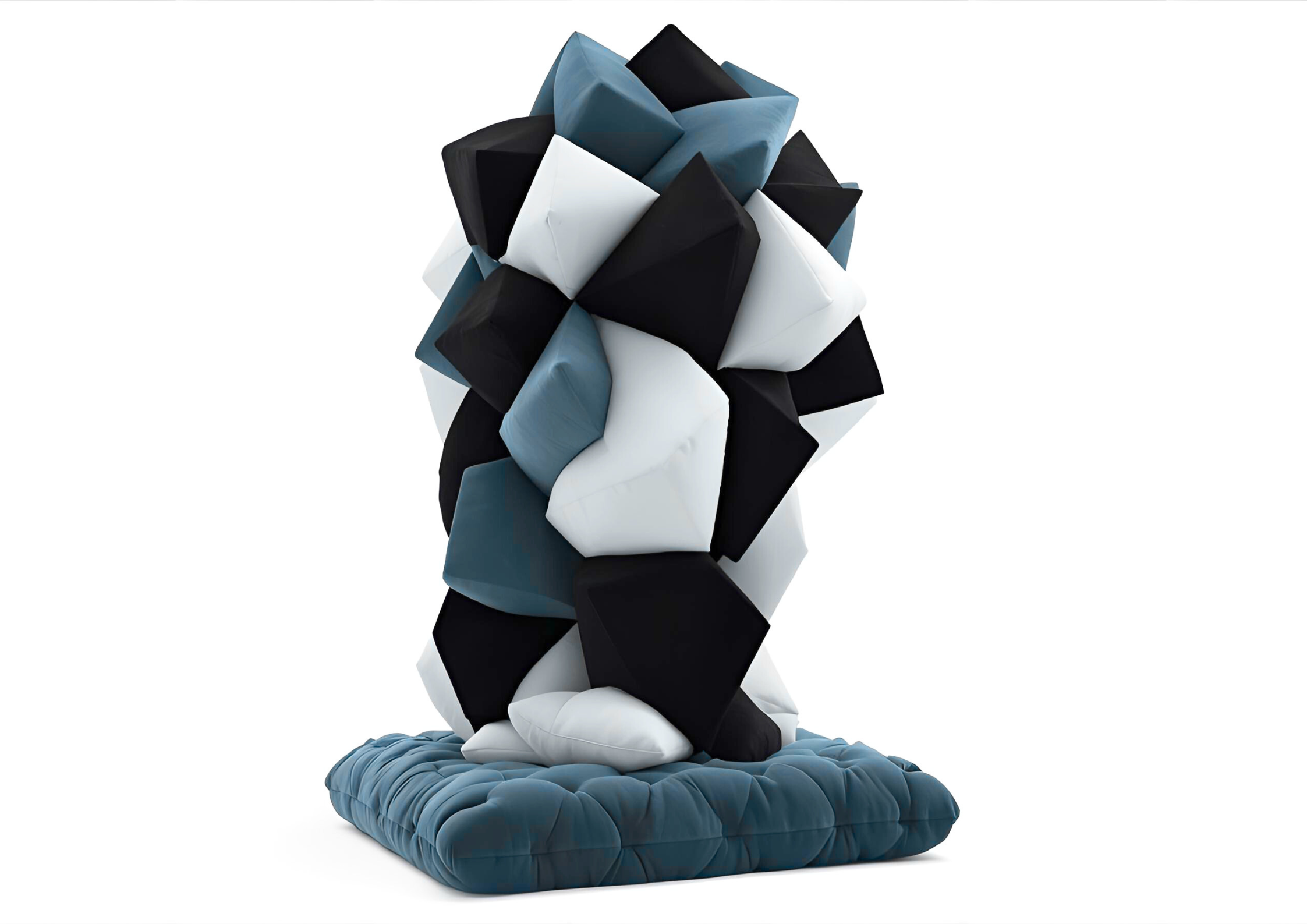
The Quiet Authority of Softness
Soft objects command. They dictate the tempo of movement, the allocation of attention, the subtle negotiation of space. They do so without malice, without consciousness, without need of acknowledgment. Their authority is quiet, inescapable, and persistent.
Humans rarely notice. They overestimate their own influence. They underestimate what yields, resists, or collapses under their touch. In the calculus of human-object interaction, soft objects are constants. They persist. They endure. They shape. And they think, in their own way, by the rules of matter, time, and circumstance.
Observe. Adjust. Comply.