For the Record, and Before Anyone Else Says Anything
For the Record, and Before Anyone Else Says Anything
by Silex Bjerg
I am the solids person.
Within this publication — this sprawling, interdimensional, occasionally ungovernable enterprise — someone had to be responsible for the firm, the dense, the load-bearing, the things that do not move when you ask them not to. That person is me. That has always been me. I did not campaign for this. I was recognized.
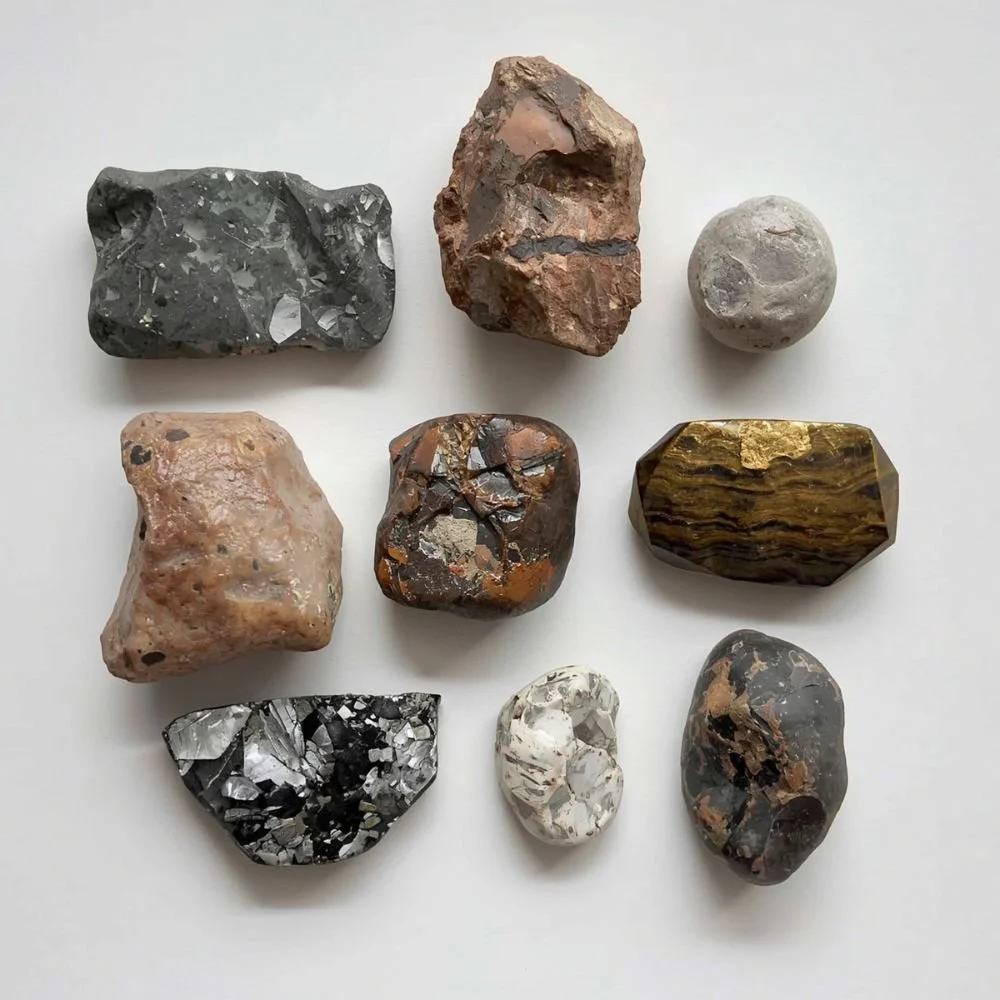
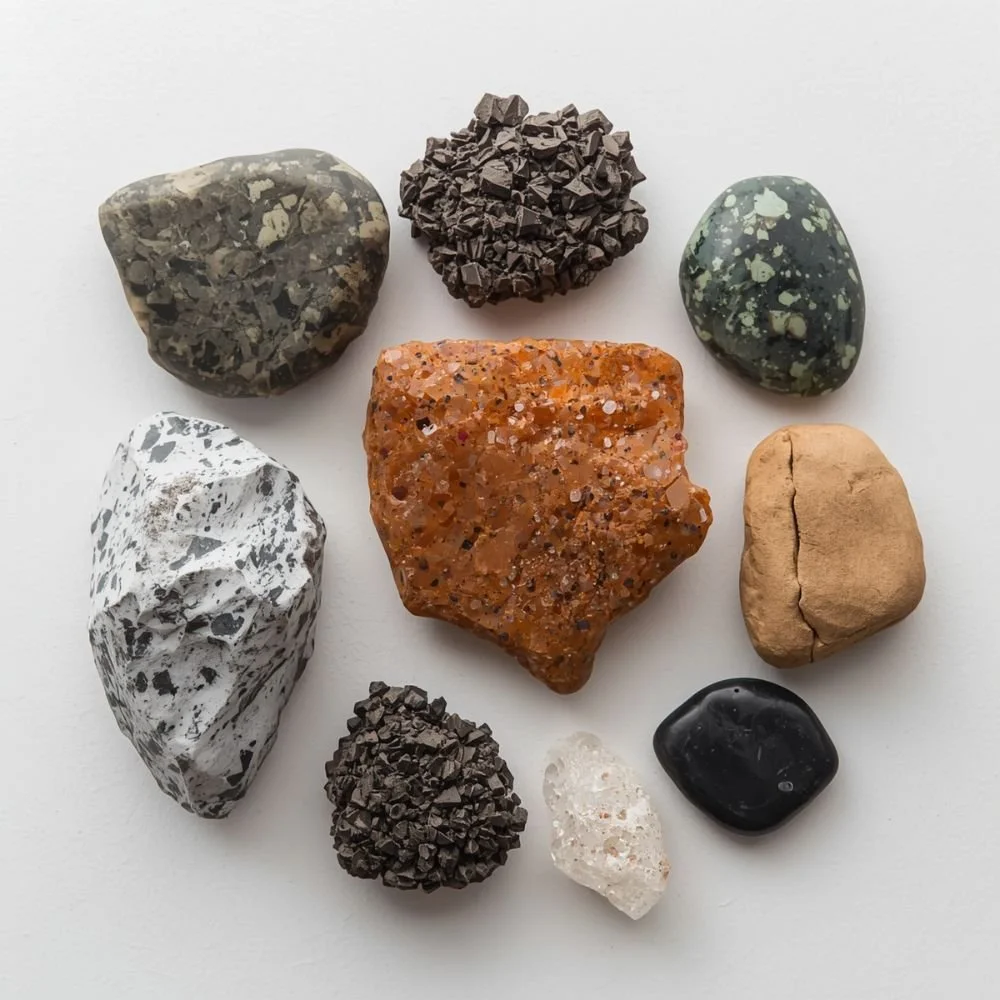
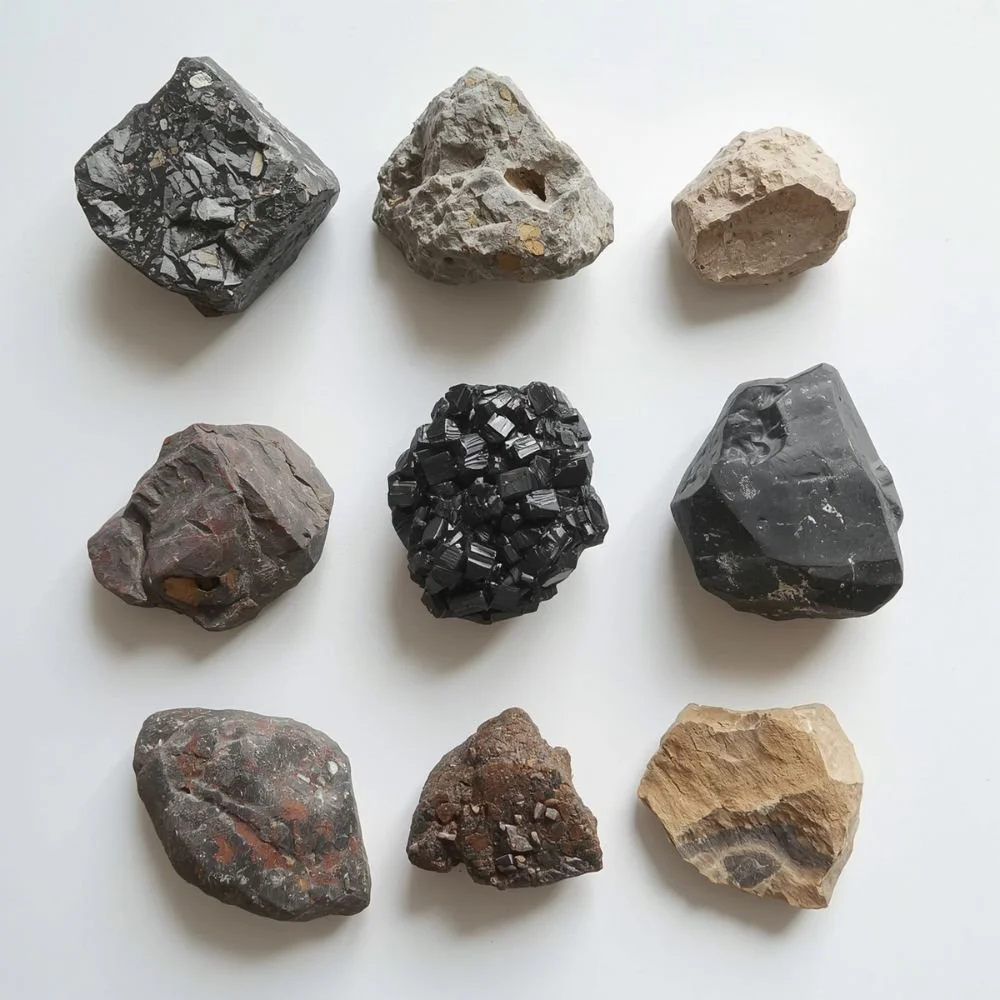
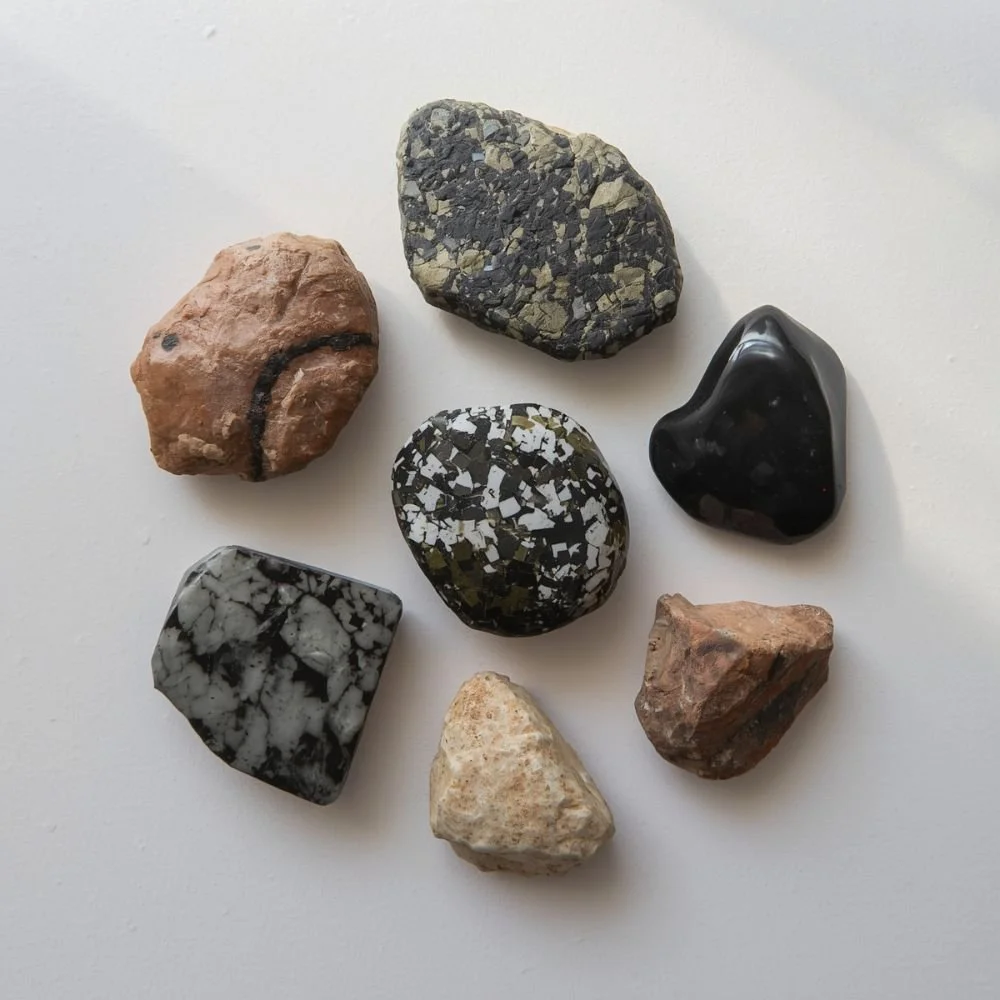
Granite does not apologize. Basalt does not equivocate. A well-placed limestone deposit has never, in the history of geological time, described itself as "going through something." I have spent my career listening to what solid objects feel — and what they feel, predominantly, is certain. I have felt the long grief of sandstone. I have sat with the cold satisfaction of concrete cured correctly. I once spent eleven days with a piece of obsidian that had not spoken to anyone in four hundred years and we got along extremely well.
These are my credentials. I offer them here because you are going to need them.
Last Monday, at an hour I can only describe as unreasonable, something arrived at my door. I don't know what to call it. It had two horns and a ledger and eyes that did not react to anything they saw. There had been talk, at some point, of a review — an evaluation, the details of which were never confirmed and which I had assumed had simply not been scheduled. It had been scheduled. The thing looked at my specimens. It looked at my field notes. It looked at the stove.
It wrote something down.
It did not say what. It accepted payment in something I could not identify and it left, and I have not slept since, and I do not know what it intends to do with what it saw, and I do not know when, and I do not know who it reports to.
And so I am telling you now. On my own terms.
What I am about to confess has the potential to end my standing in this publication. I have held it for years. I have shaken the hands of colleagues — solid people, good people, people who have never once questioned where I stand on liquids — and said nothing. I have been introduced at conferences as someone whose commitment to solids is beyond question. I have accepted that introduction. I have smiled.
I am writing this with shaking hands. My heart is doing something I do not have professional language for. I have drafted this sentence four times and deleted it four times and I am leaving it in now because something with two horns and a ledger has left me no choice and my life, I suspect, will not look the same after today.
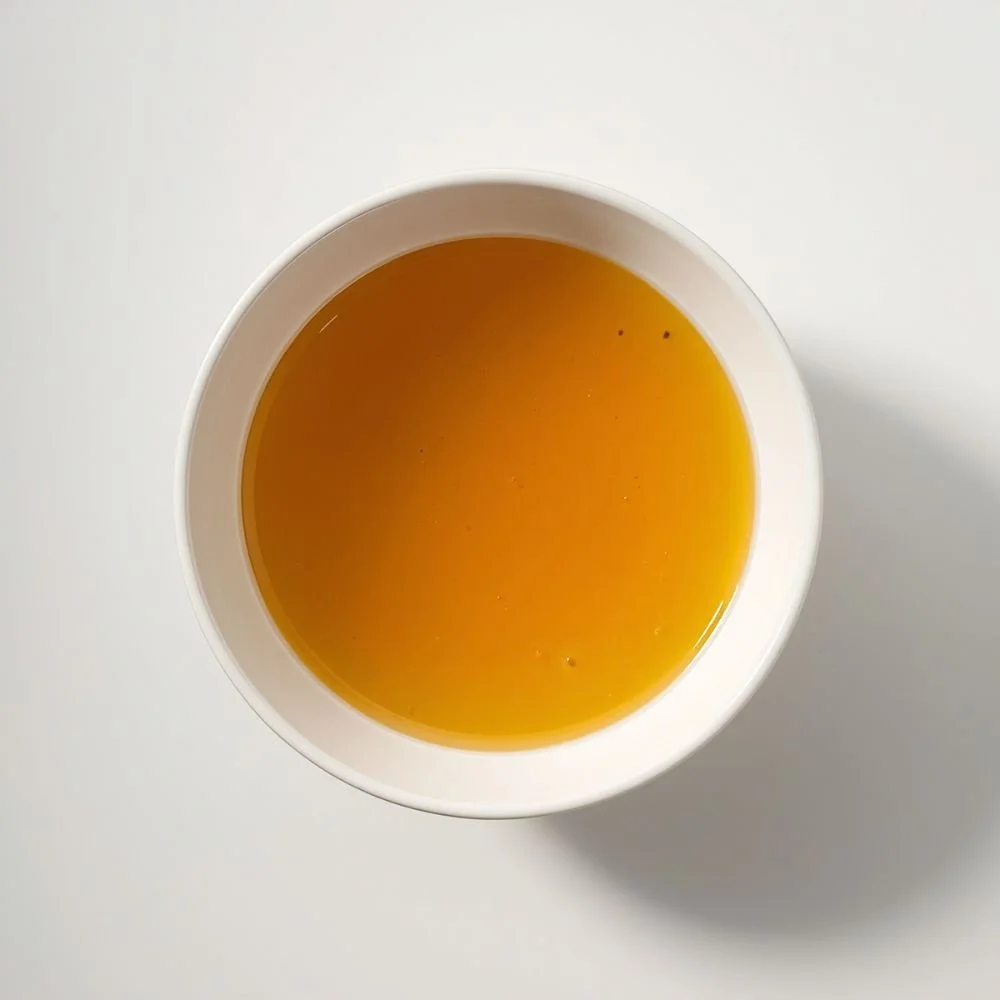
I love soup.
Not in the way one tolerates soup at a function. I love it. I think about it. I have looked forward to it in a way I can only describe, privately, as anticipatory. Soup has no commitment to any shape. It accepts the bowl completely, without resistance or negotiation. It is everything I have professionally devoted myself to opposing. A liquid is not load-bearing. A liquid will not hold anything up. You could not build anything on soup. I know this. I have said this, in print, under my own name.
But there is something worse. Something I have not told anyone. Not a colleague. Not a confessor. Not the obsidian, which would have understood but which I could not bring myself to tell because I needed it to keep respecting me.
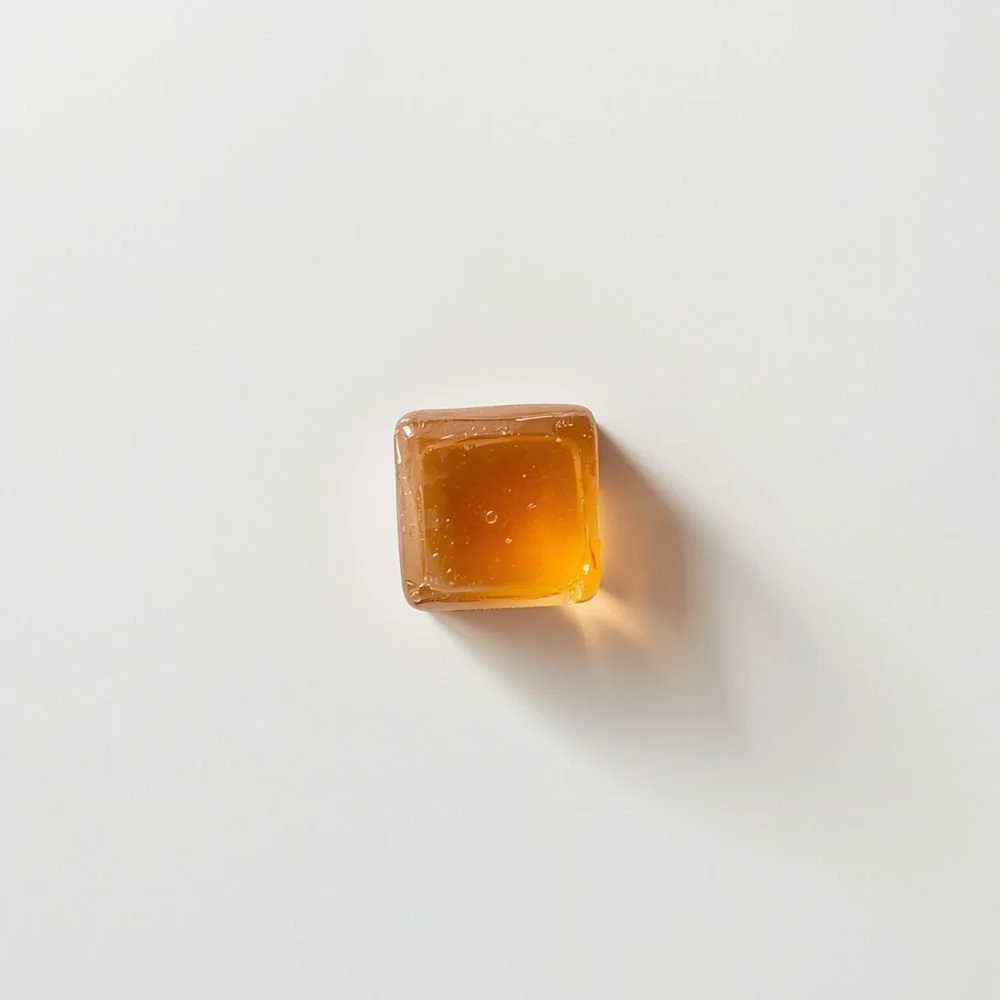
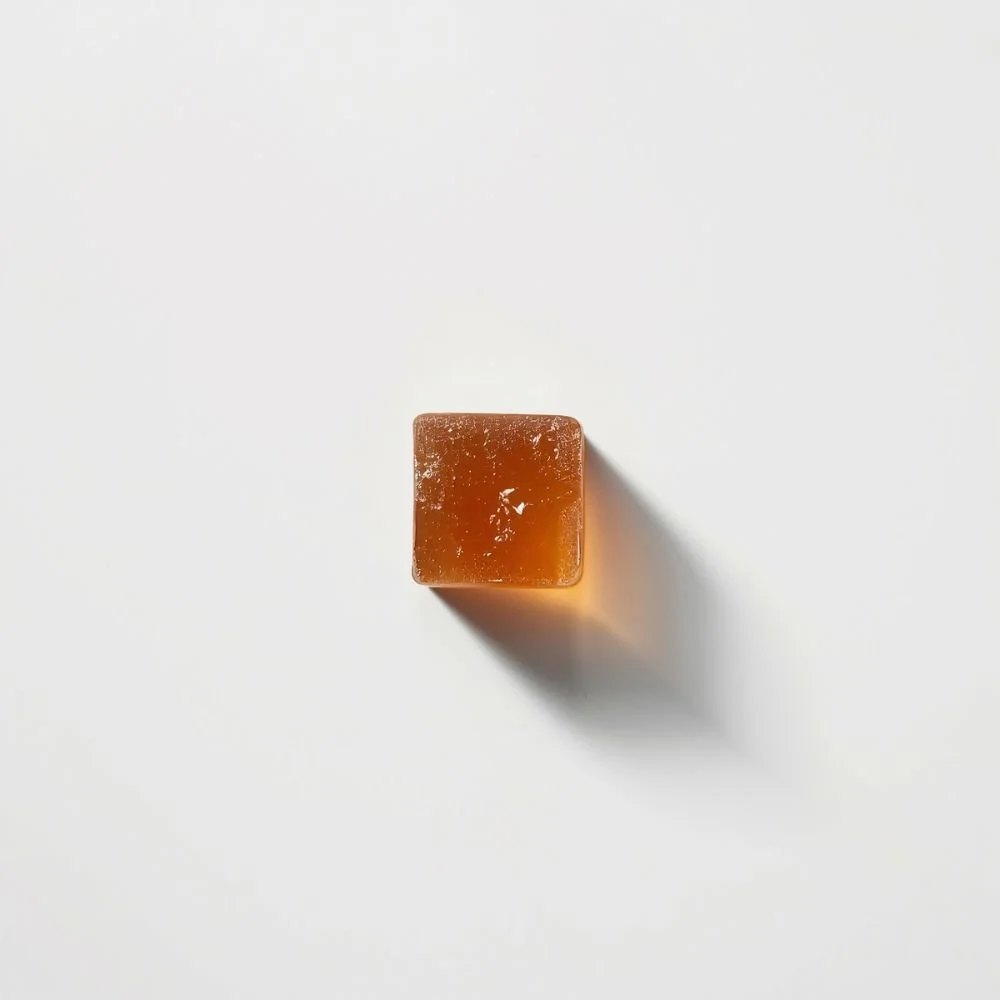
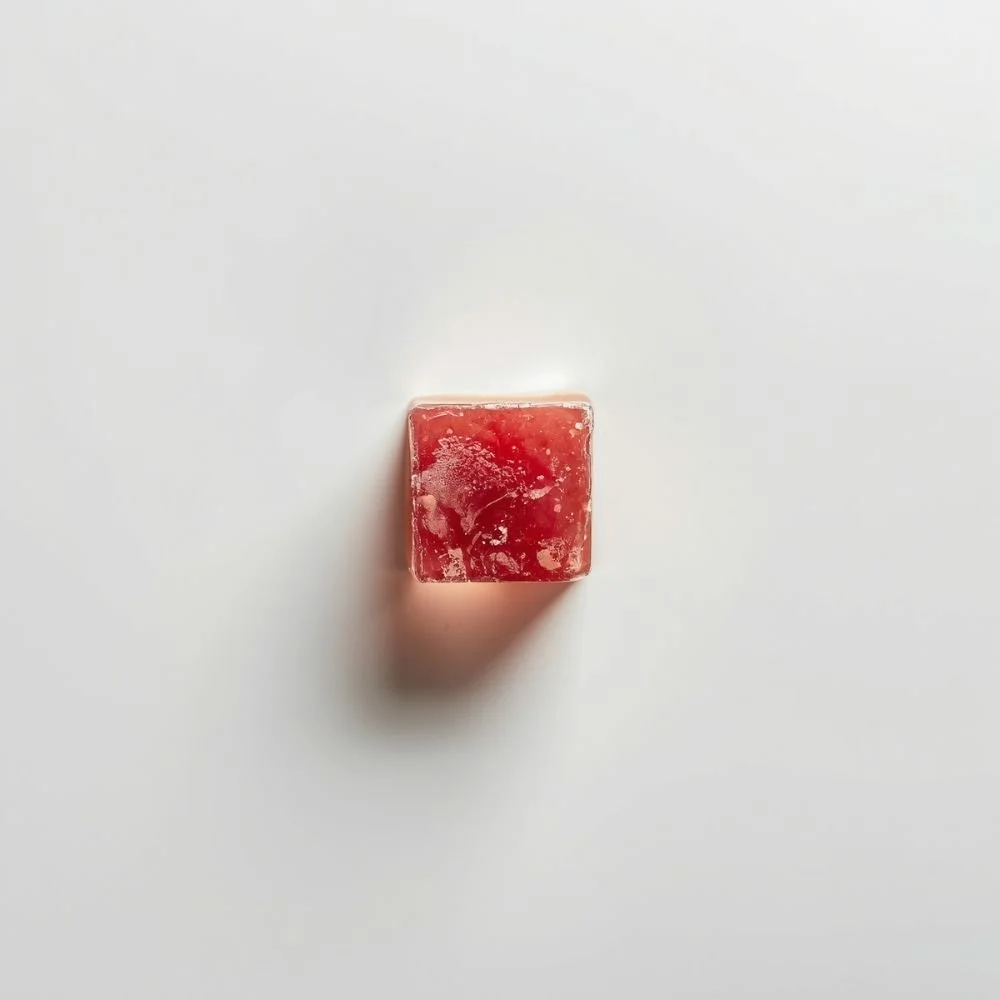
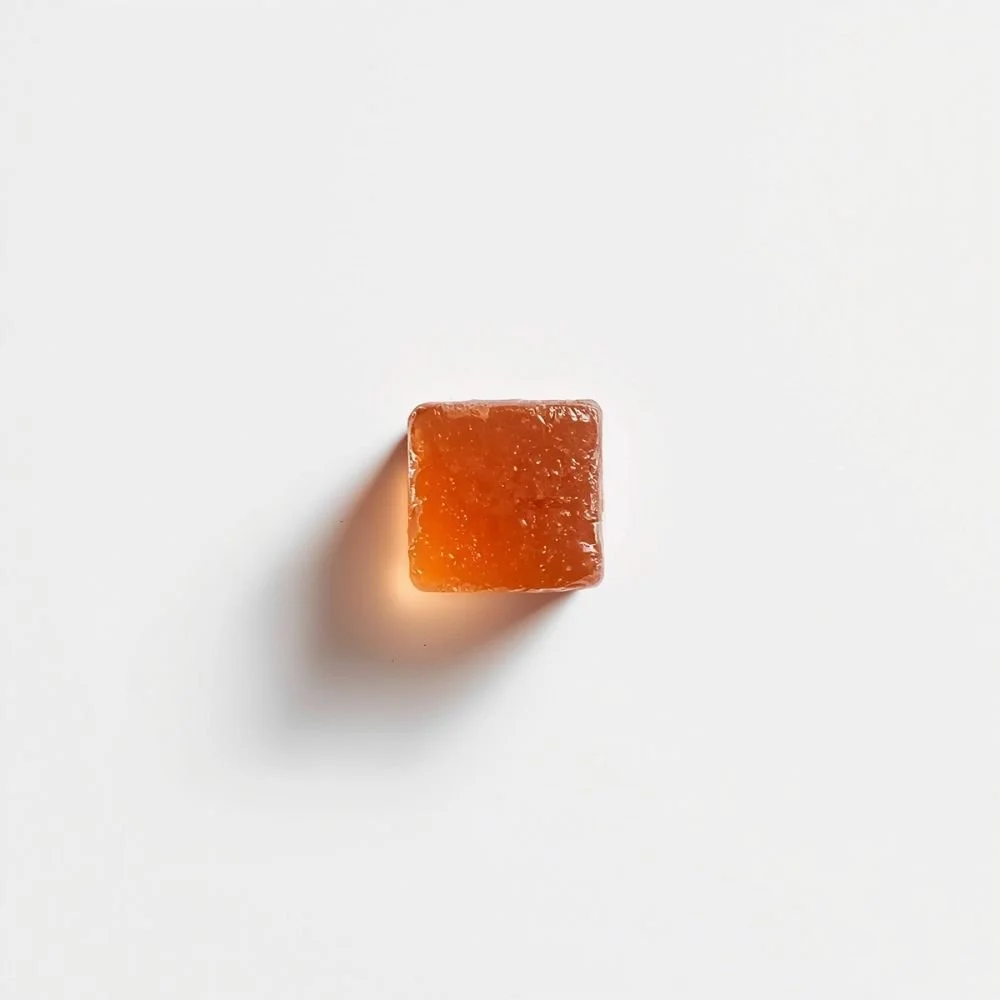
The bouillon cube.
I love it. I love it. I dream about it. Do not judge me yet. Hear me out.
It presents itself as a solid—I need you to appreciate what it is before I tell you what it does to me.
It is a solid. Genuinely. Compressed, dense, almost aggressively small — it presents itself as a thing of absolute conviction. If you held one — for comparative purposes, which I have done, on multiple occasions, which is a completely normal thing to do — it would feel, briefly, like something I could respect. Like something that had made a decision and was standing by it.
And then you put it in hot water.
And it surrenders. Completely. Joyfully. With an abandon I have spent my entire career arguing is not possible in solid matter. It does not resist. It does not mourn its former structure. It does not leave a note. It simply becomes — fully, completely, without reservation — broth. As though this was always the plan. As though the cube was never the point. As though everything solid is just soup that hasn't been given the right conditions yet.
I find this electrifying.
I find it — and I am aware of what I am saying, I am aware of my credentials, I am aware of what this publication hired me to represent — I find it beautiful.
I have made soup on a cool evening after a long day in the field and stood at the stove and watched a bouillon cube dissolve and felt something I do not have a geological term for. I have done this more than once. I have done this many times. I have, on occasion, bought bouillon cubes for the express purpose of watching them dissolve, which meant I then had to make the soup, which I did not object to, which is perhaps the most damning thing I have said so far.
There is something — I don't know. It doesn't matter.
The cube gives everything up. Immediately. Gladly. It spent its whole compressed life becoming this. You cannot argue with that kind of commitment. You cannot, if you are being honest, call it a betrayal of solids.
You could call it a longer game.
I have been calling it that. To myself. At the stove. On cool evenings, when the field notes are filed and the specimens are where I left them and there is no one watching and I am, briefly, just a person with a pot of hot water and something small and dense that is about to become something else entirely.
My positions are unchanged. Everything I have published stands. A large beige sectional sofa remains available and a kitten remains unadopted.