What To Do When Your Humans Really Need Therapy
I want to start by saying that I love my humans. I want to be clear about this because everything I am about to say could be misread, and I have learned — through extensive close-range observation and a nose that does not take days off — that context matters enormously.
I love my humans. And my humans, bless them, need therapy.
This is not a criticism. This is a finding.
I have been doing what I can. I am good at what I do. But there is a limit to what one dog can provide, and I have been thinking about this limit a great deal lately, mostly at 3am, which is when I do my best thinking and also my humans are asleep and I can finally hear myself.
So I went out. I asked around. I needed to know how other animals were handling it.
My first stop was Marlo.
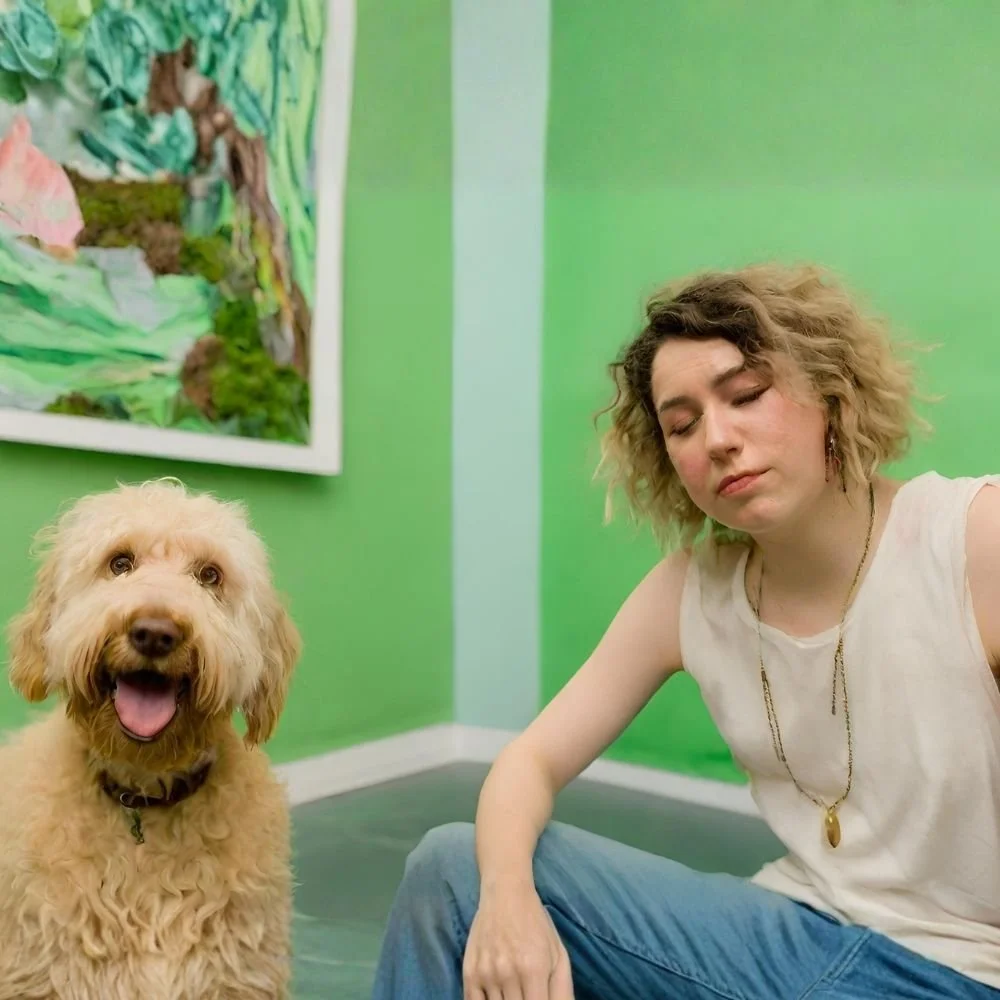
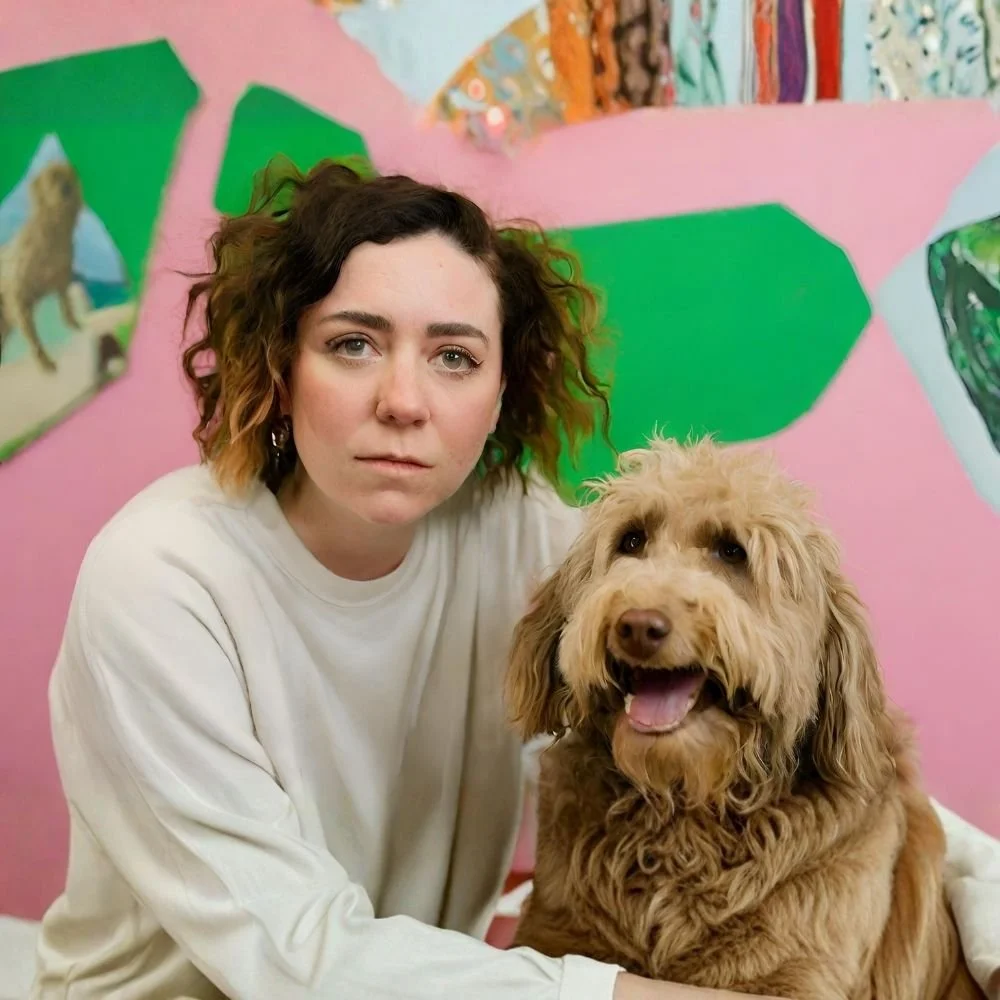
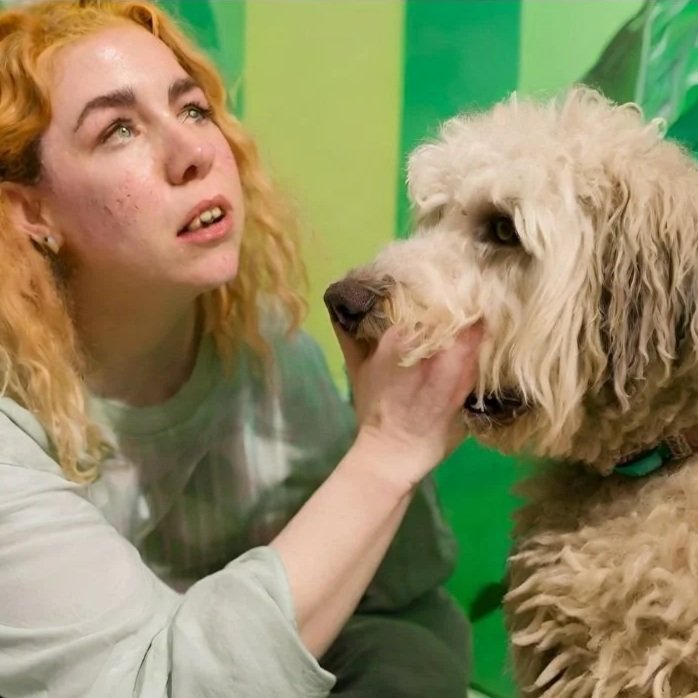
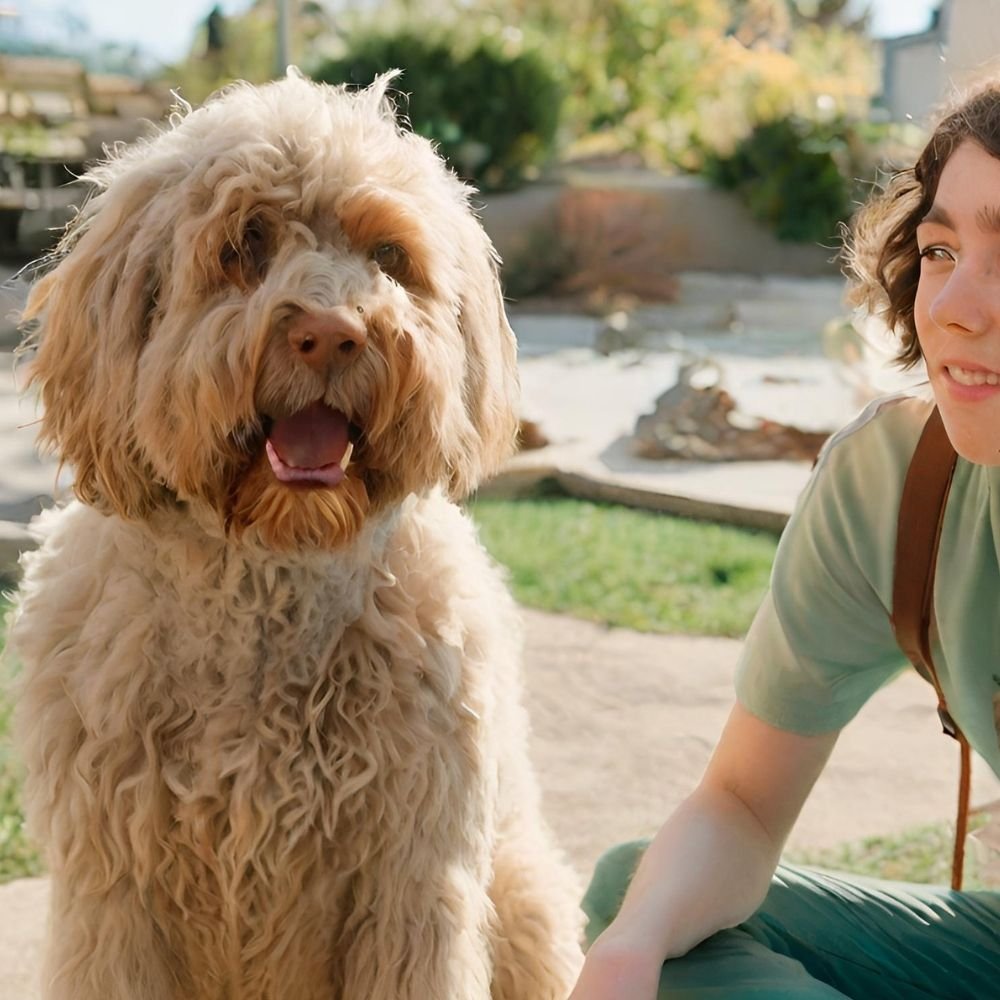
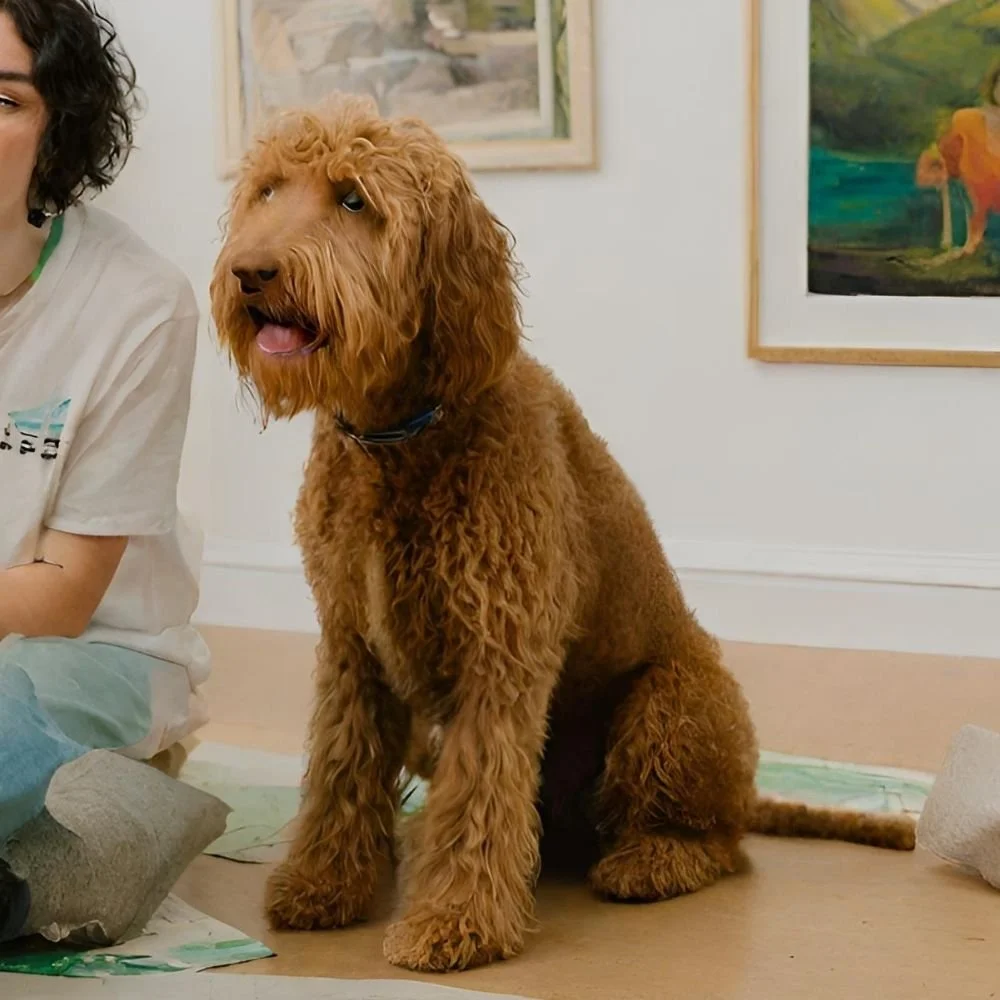
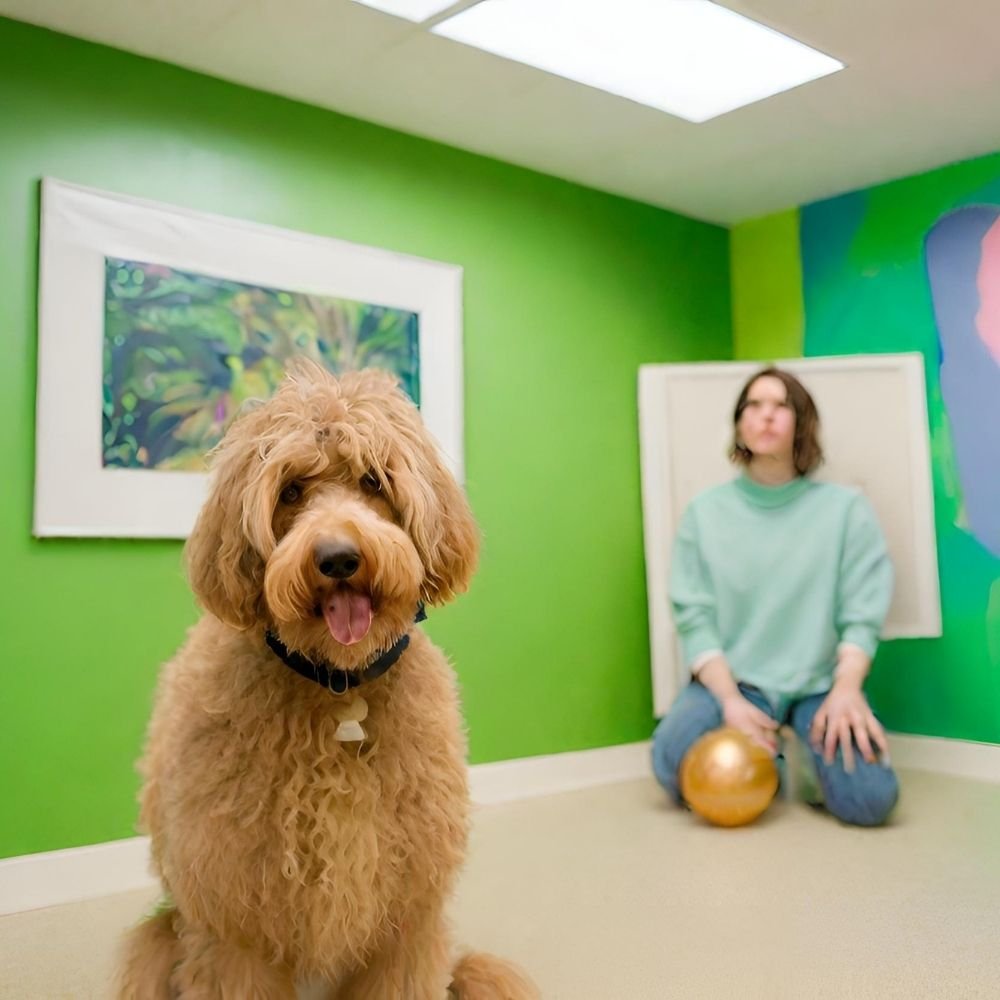
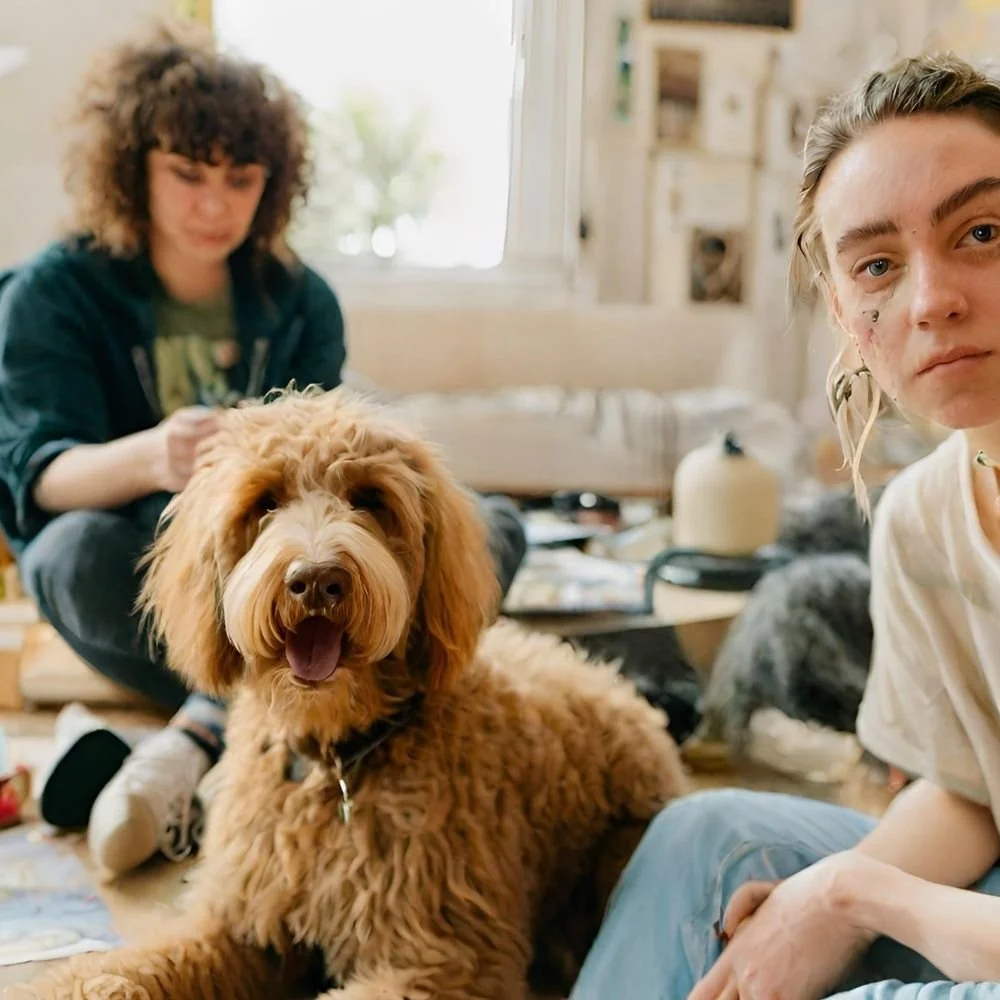
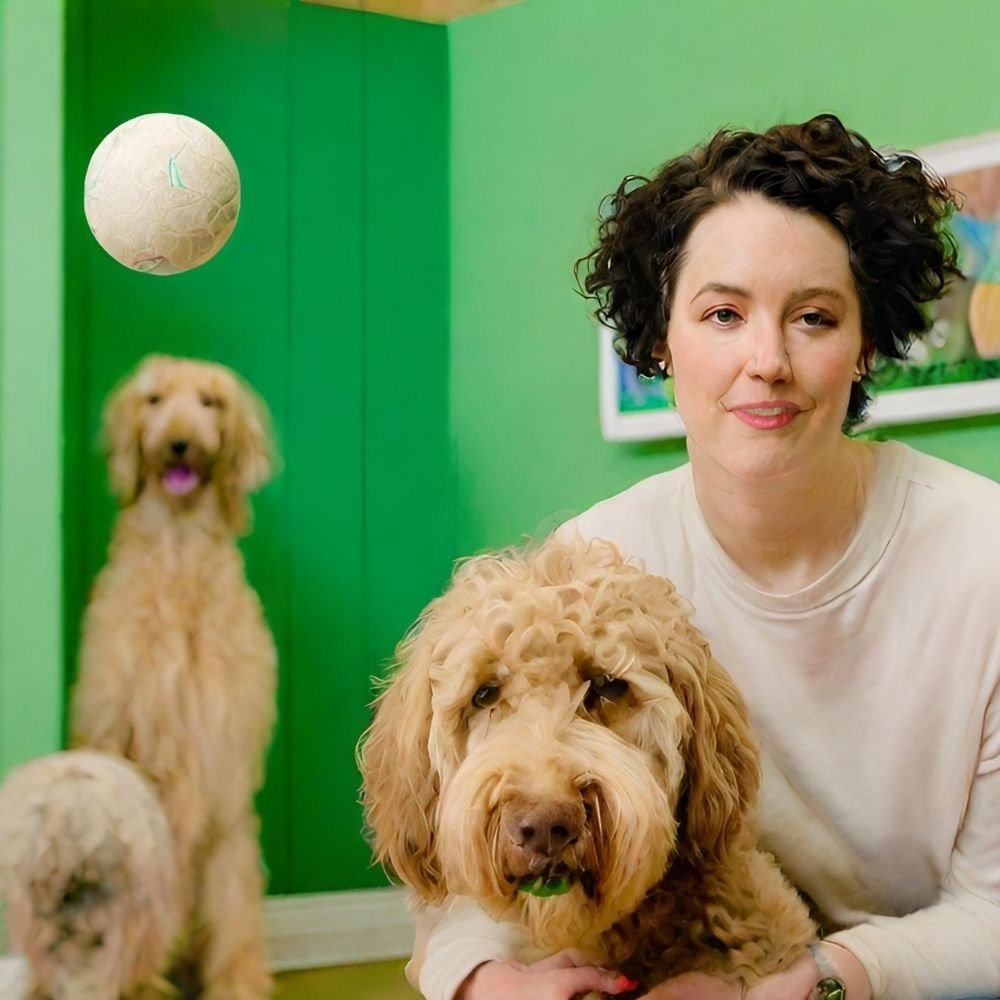
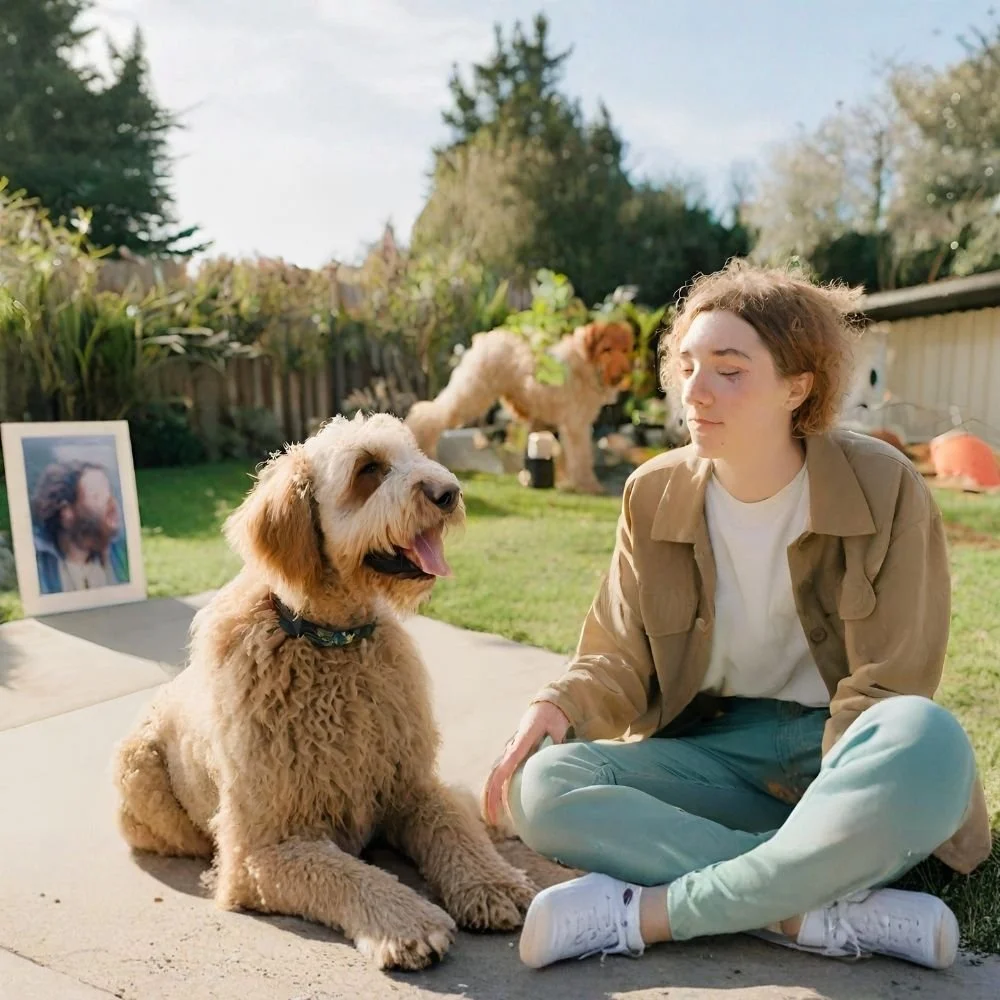
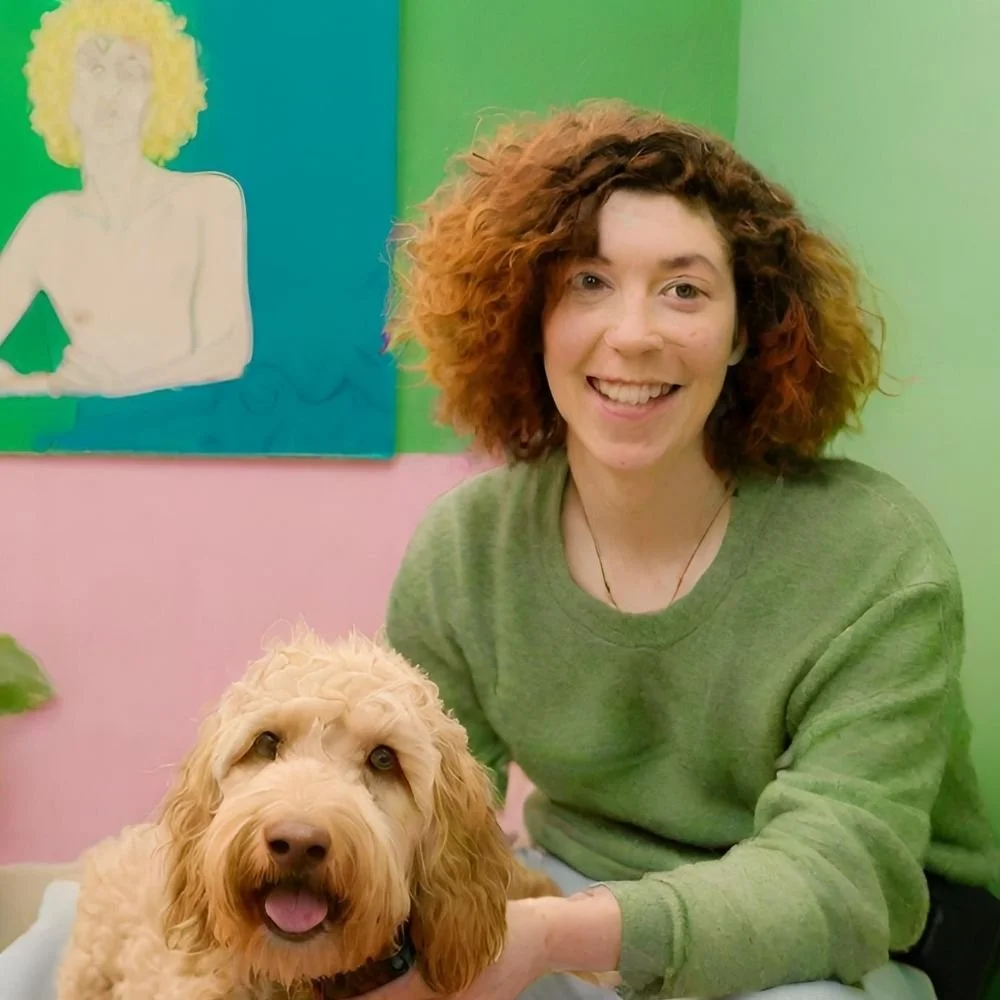
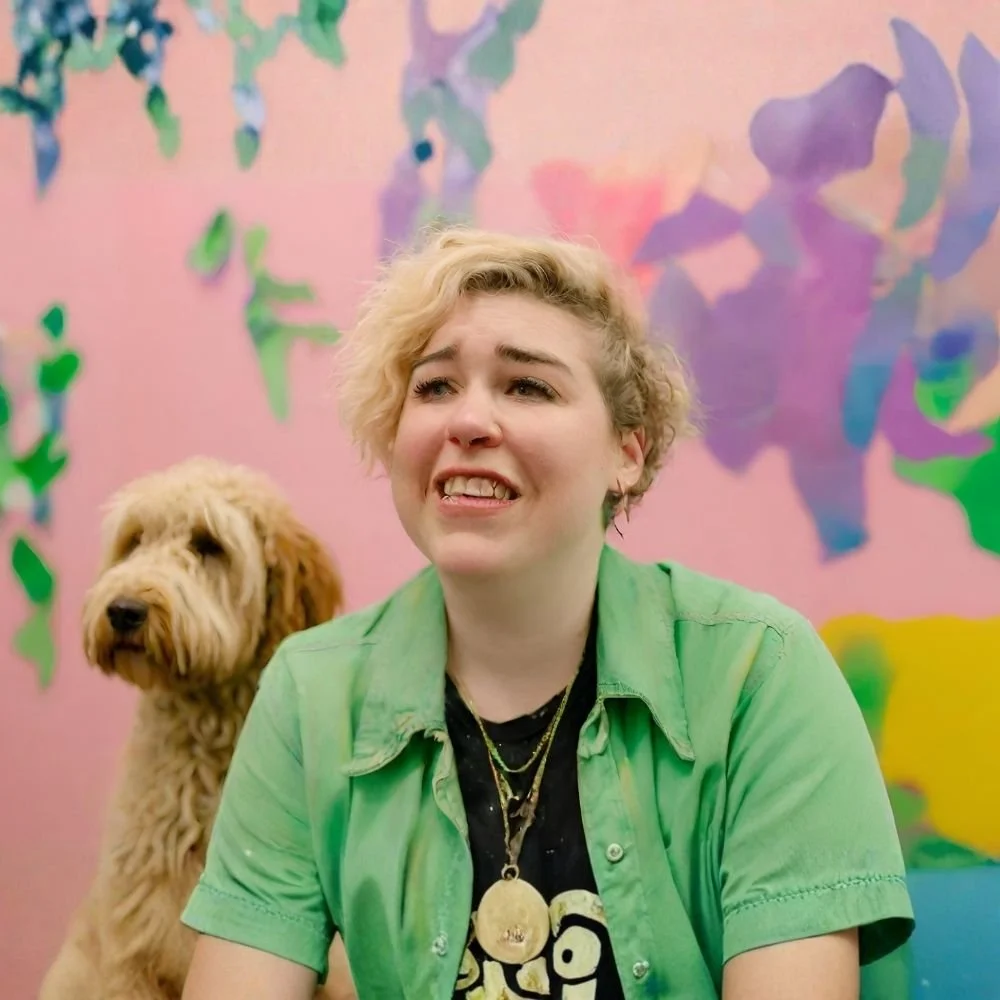
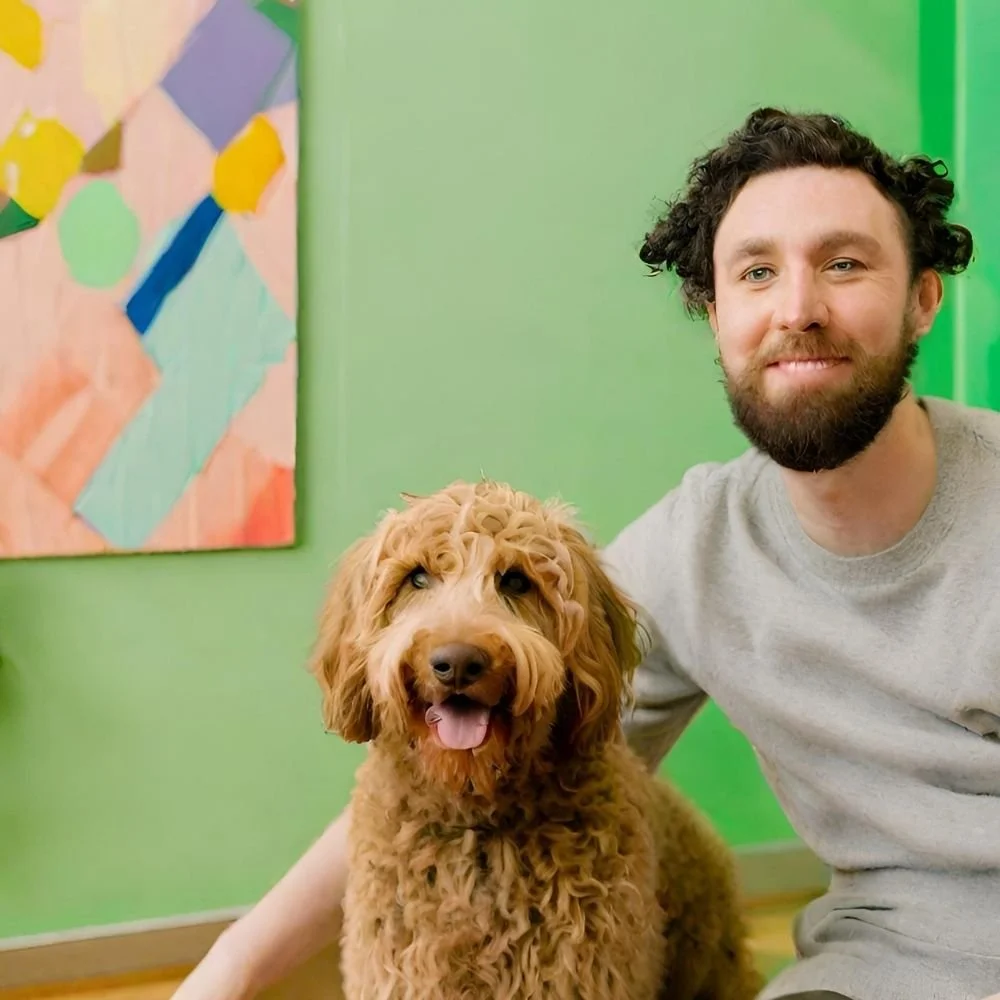
Marlo is a labradoodle — certified, experienced, the kind of dog who has a system. He lives with two parents and five or six children spanning an age range that I can only describe as a lot. Teenagers mostly. Some of them were stressed when I visited. One looked like she was about to cry. Marlo moved through all of it with the same expression: serene, present, ears soft. In the green room where he does his work, he sat in his spot and the humans talked and cried and talked some more and Marlo was simply there, which is the whole job and also somehow never enough.
I asked him how he managed the large family situation.
"You have to pace yourself," he said. "And you have to know what you can't fix."
I asked what he couldn't fix.
He thought about it.
"Most of it," he said, very kindly. "They need to talk to someone. A human someone. I tell them this every day."
I asked how he told them.
"I sit on them," he said. "Meaningfully."
I needed something easier after Marlo, so I went to find the pool dogs.
This was the correct decision.
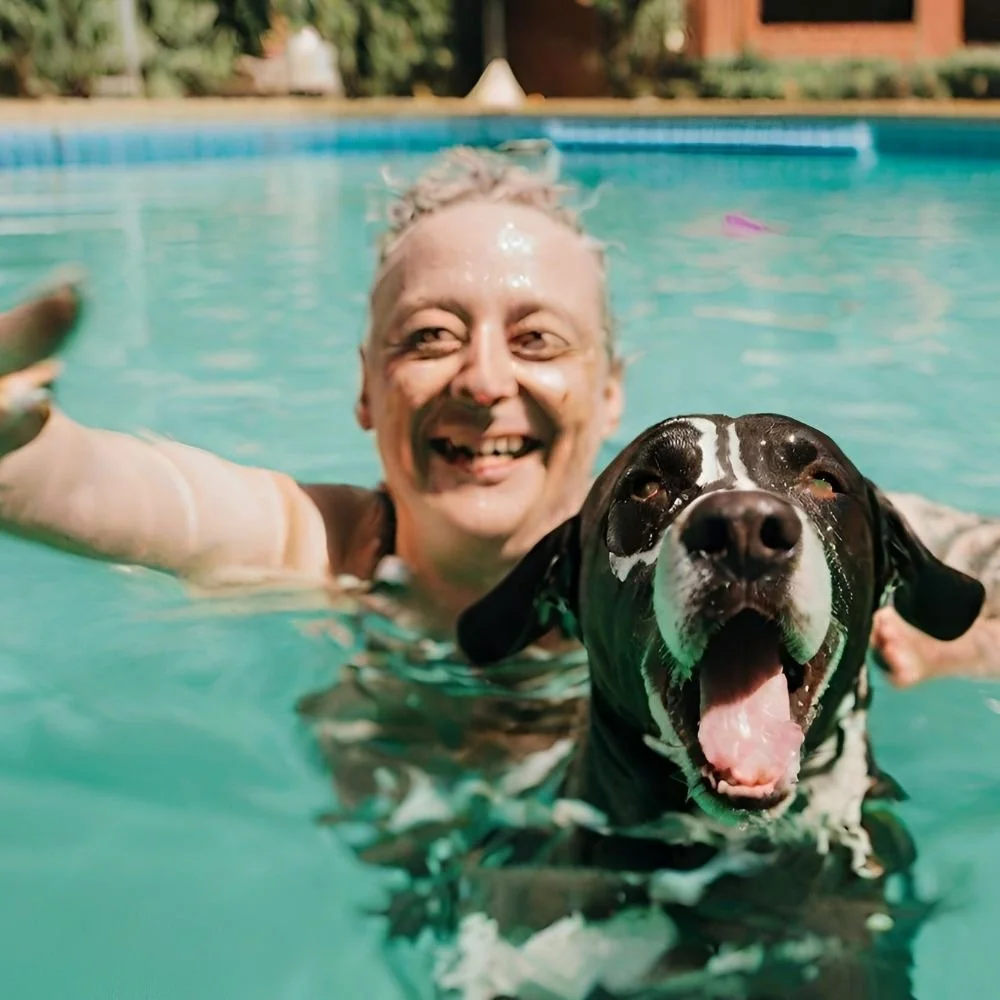
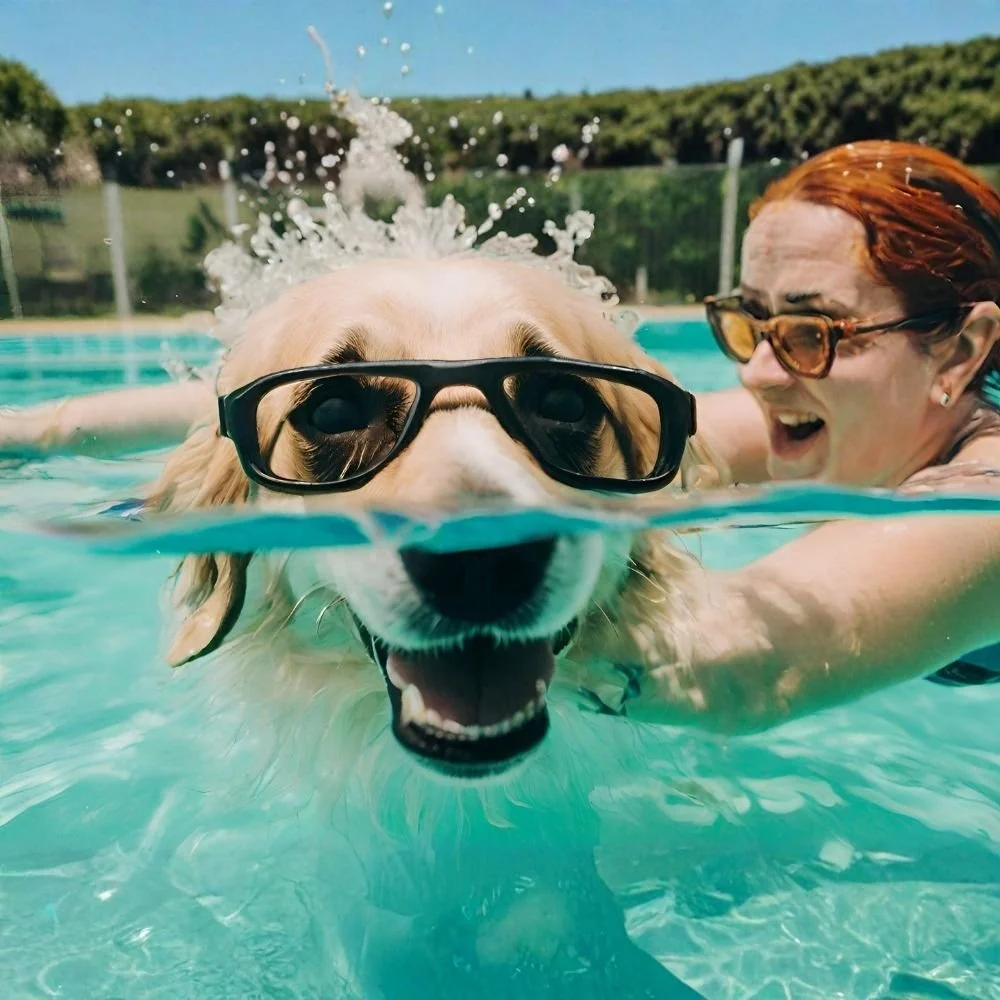
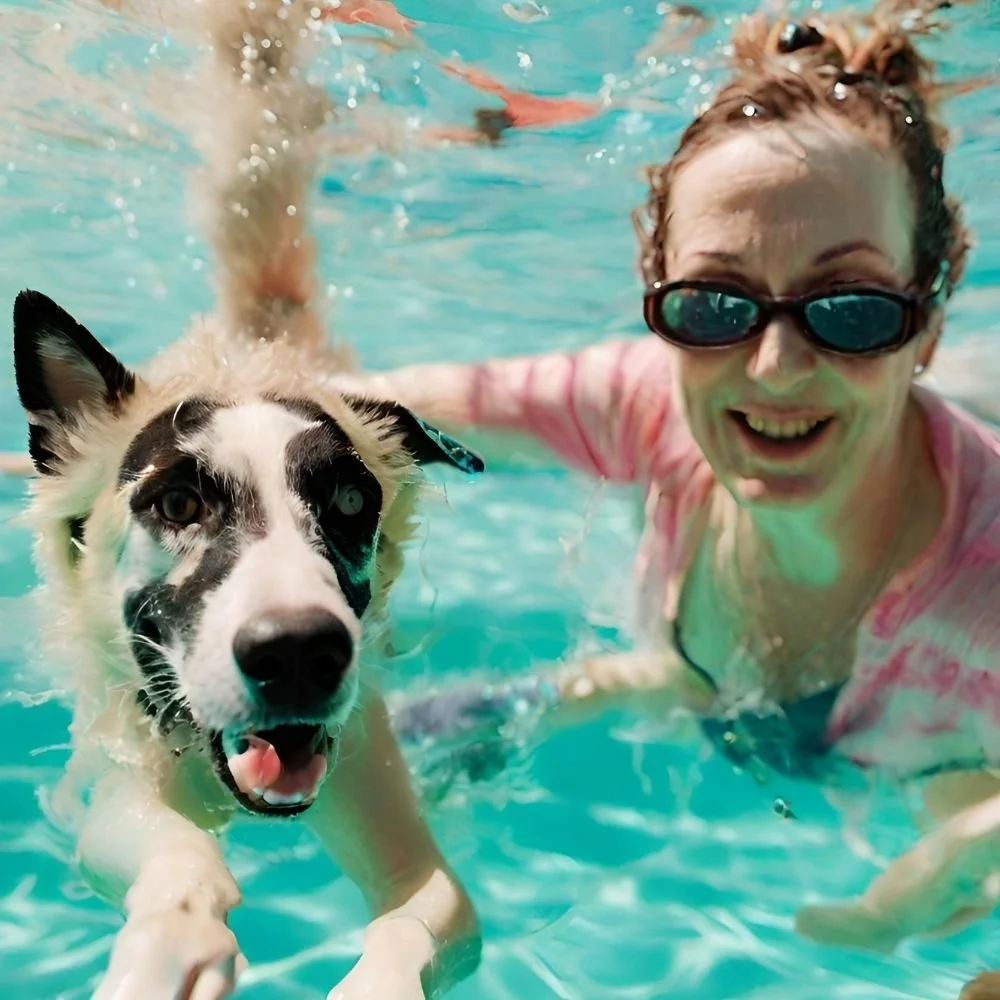
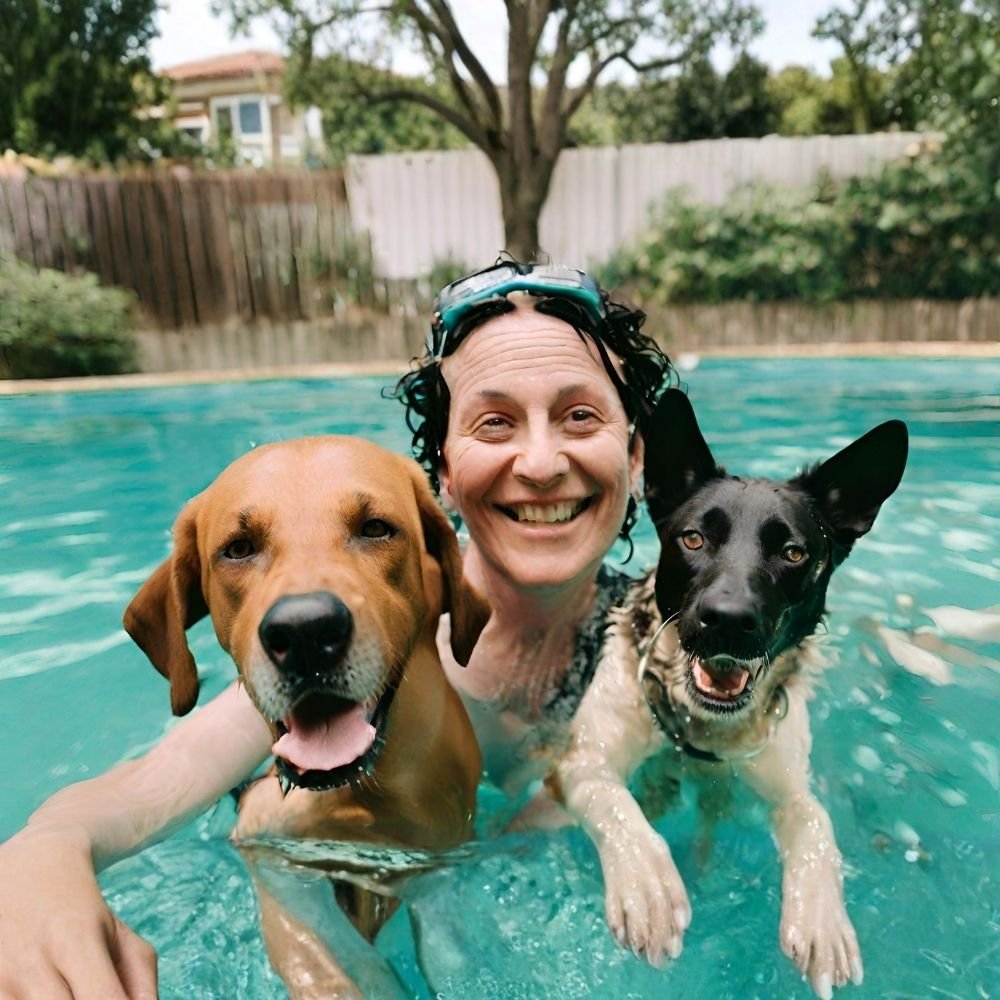
The pool situation was exactly what it looked like: dogs in water, humans in water, everyone extremely excited about this, nobody processing anything difficult. A retriever went past me at speed. A human shrieked with delight. Someone fetched something. I don't know who started it.
I want to note for the record that this is also a valid intervention. Sometimes the answer is a pool. I am not too proud to admit this. I put it in my notes and then had to remind myself that I am getting ahead of myself and also that we do not have a pool.
The cats were next, and I will be honest: I found this section of my research the most instructive, even though the cats were not trying to instruct me and in fact seemed to resent my presence, which I noted and moved past.
Each boy was in a tree. Each boy was holding a black and white cat. The boys looked tragic in the specific way of people who are sixteen and have recently discovered that tragedy is available to them as an option. The emotions were large and frequent and attached to things that, if I am being honest, did not smell as serious as advertised.
The cats knew this. You could see it on their faces.
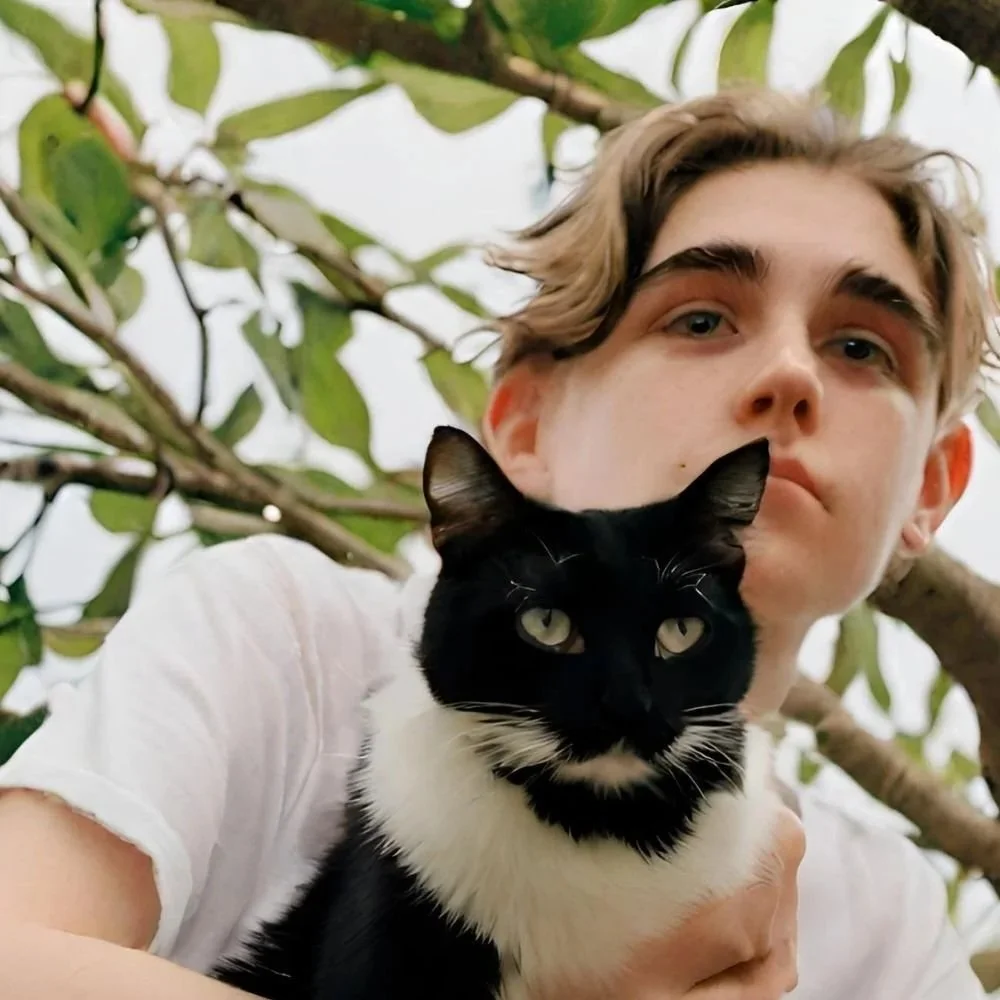
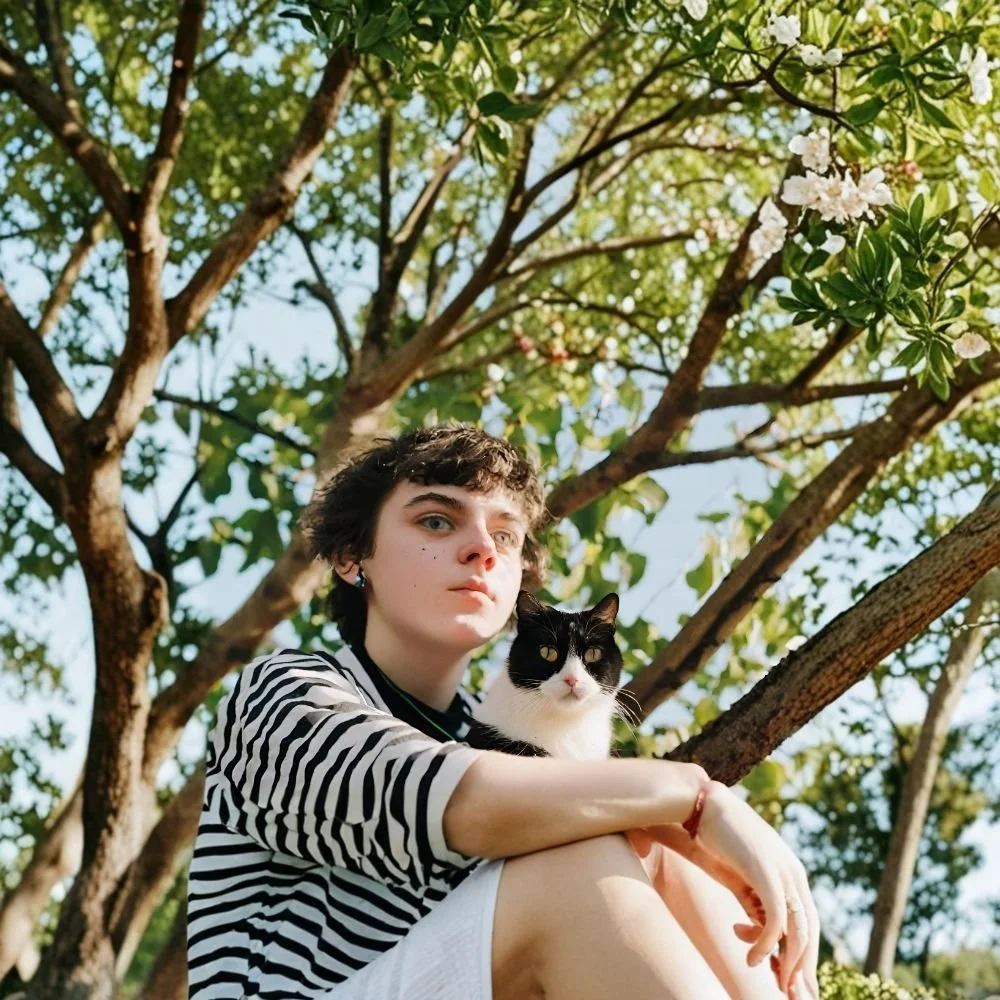
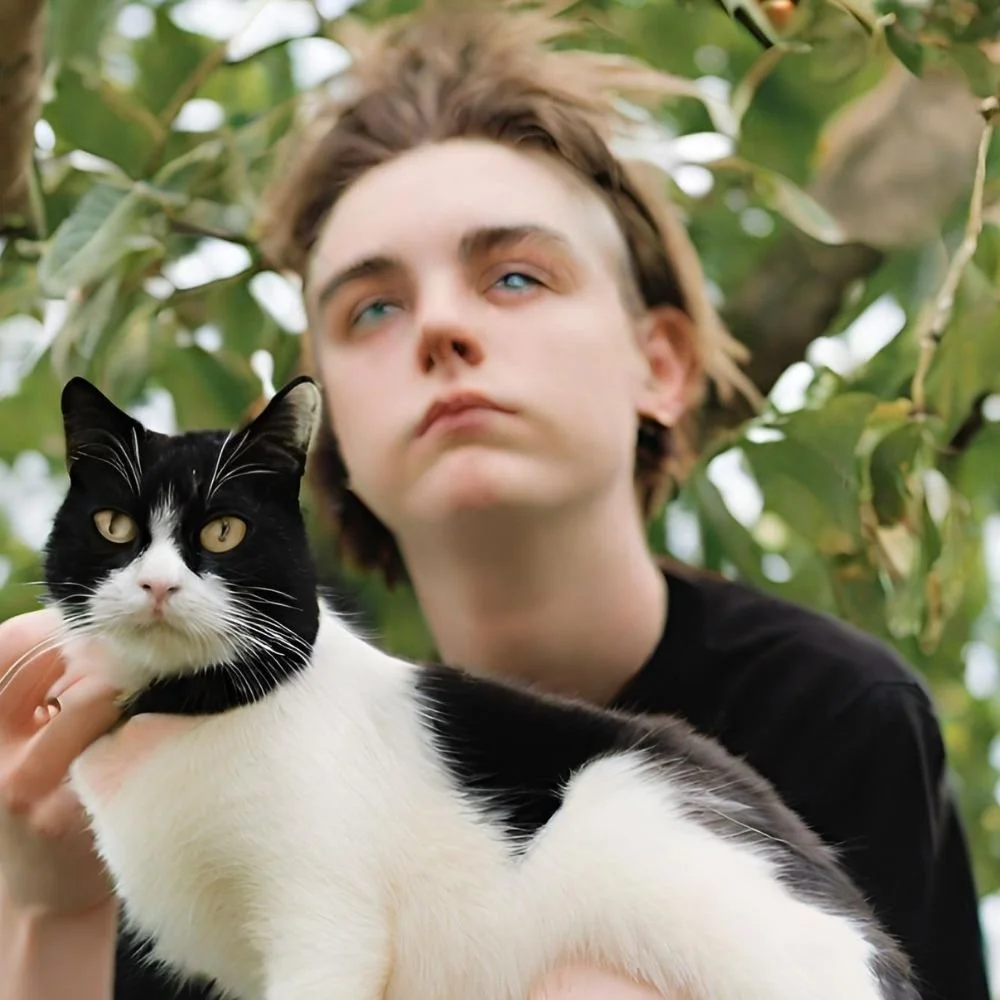
One cat, held by a boy who was staring into the void opened by whatever had happened, which, when I asked, turned out to be about a playlist, met my eyes over his shoulder.
"He needs to talk to someone," she said. "A professional. I am not a professional. I am a cat."
I asked if she had communicated this to him.
She looked at the boy. She looked at me. She looked back at the boy.
"Every day," she said. "He thinks it's purring."
The iguana households were a genuine relief.
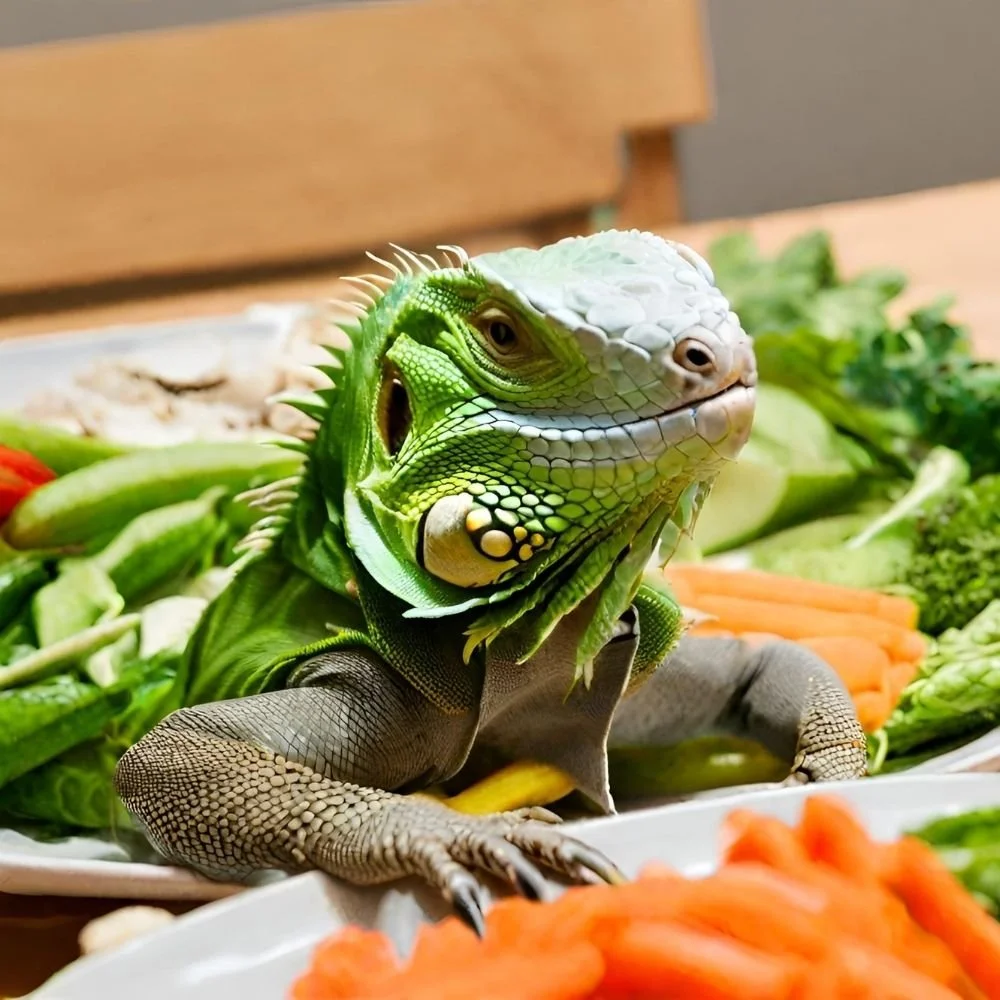
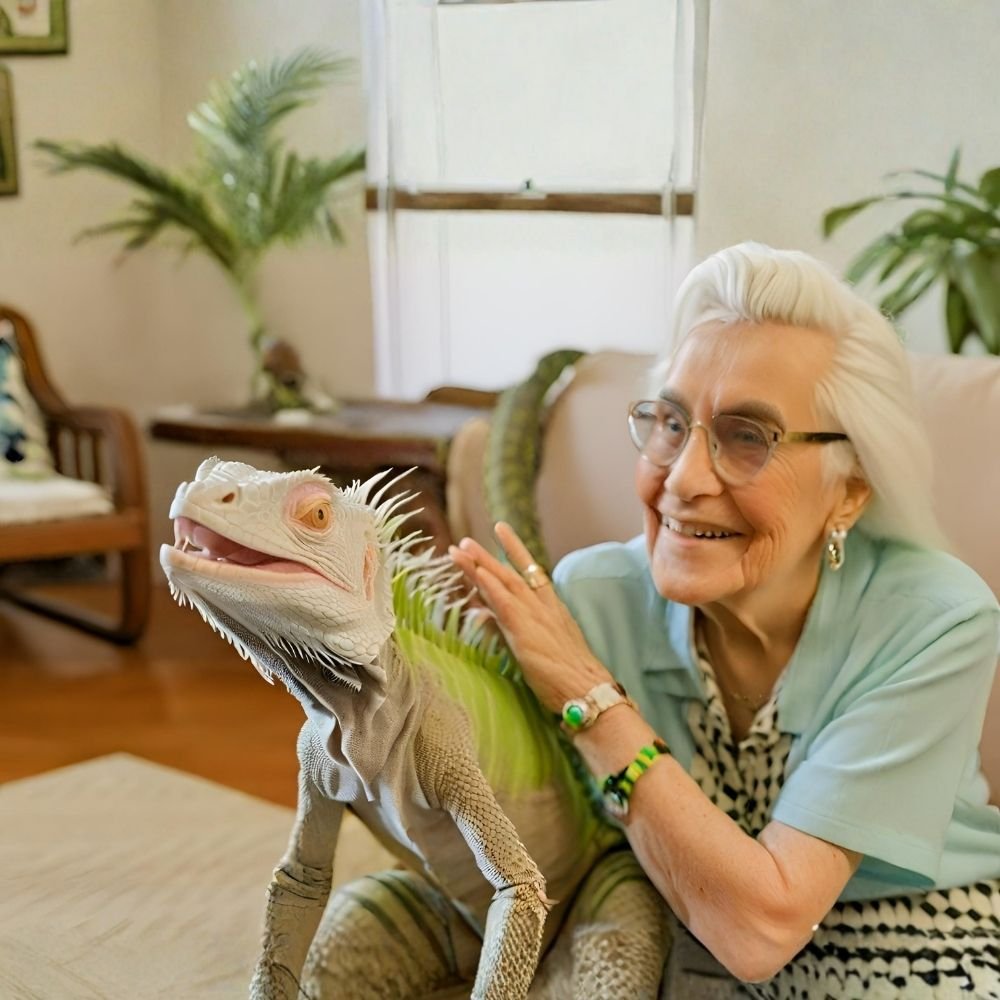
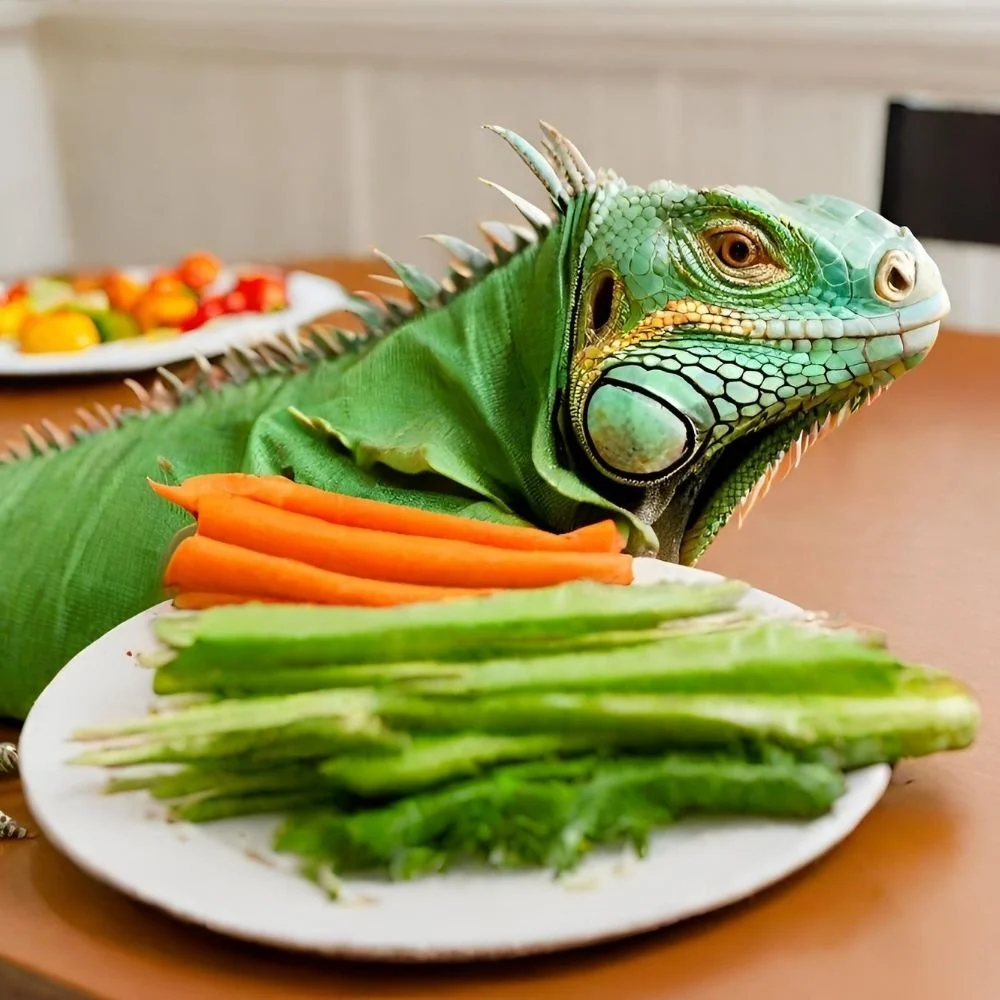
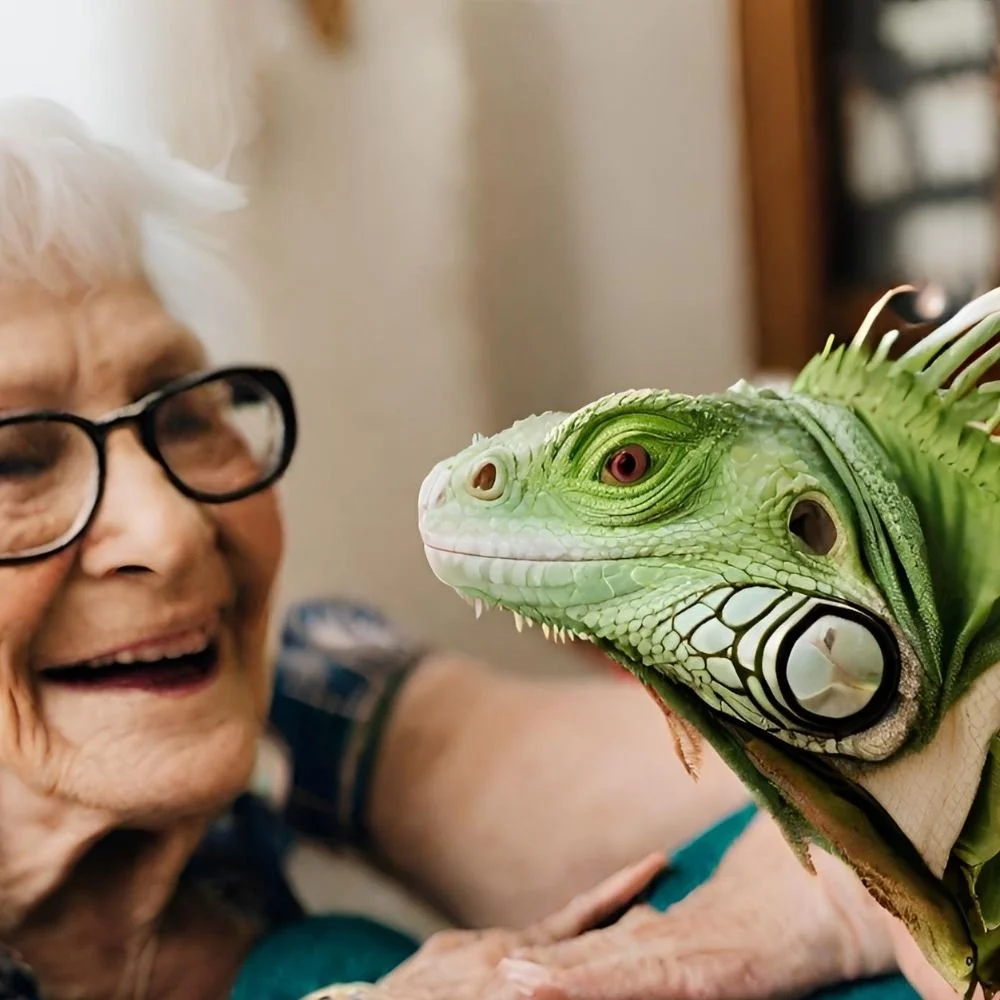
The senior women were delighted — fully, visibly, without reservation. They held their iguanas with the confidence of people who had long ago stopped worrying about what this looked like. The iguanas were large. The women were happy. One iguana ate salad at a dinner table alone with the composure of someone who had sorted out her priorities and was at peace with all of them.
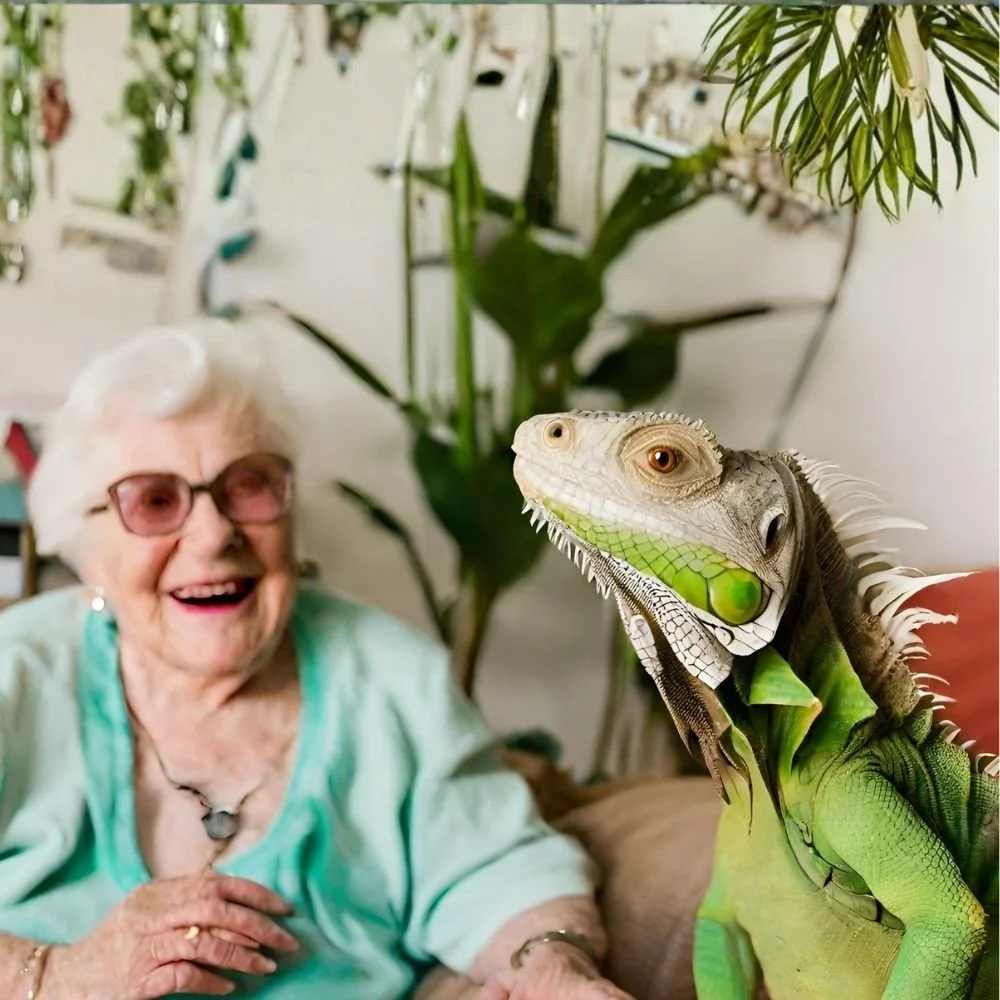
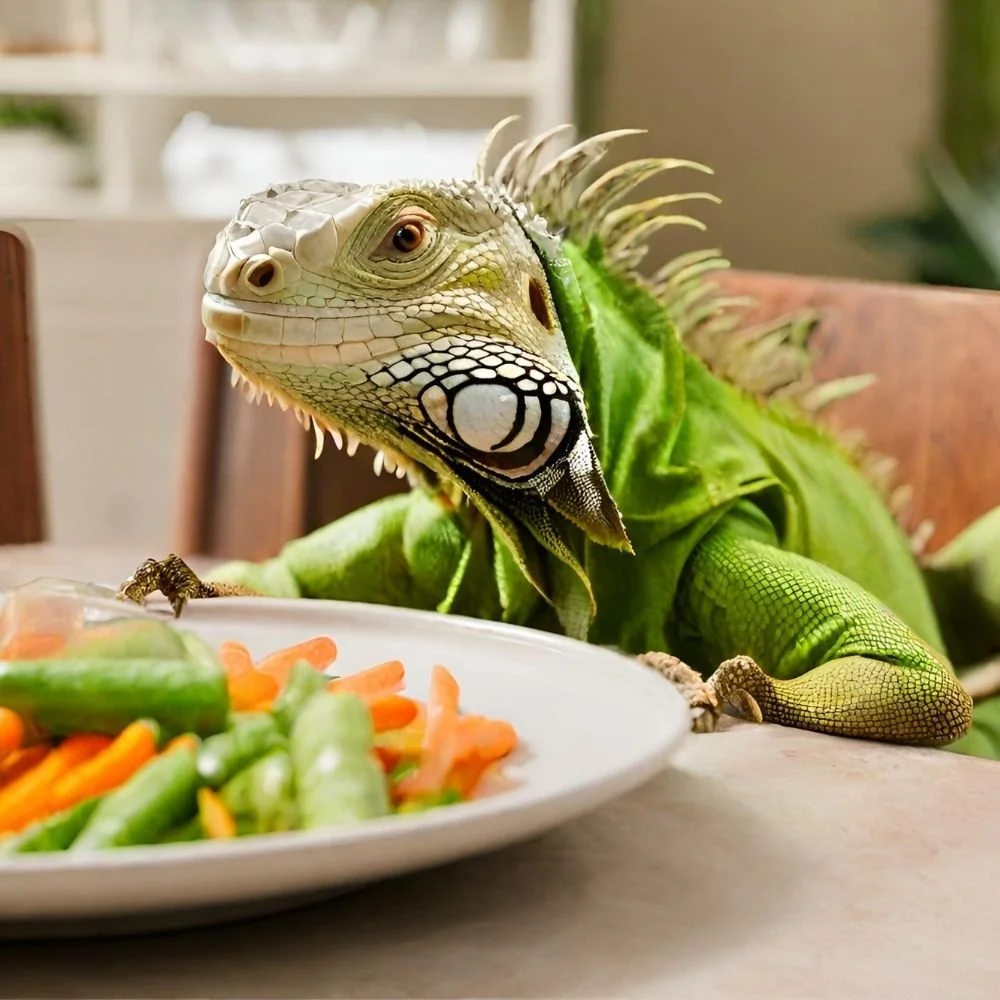
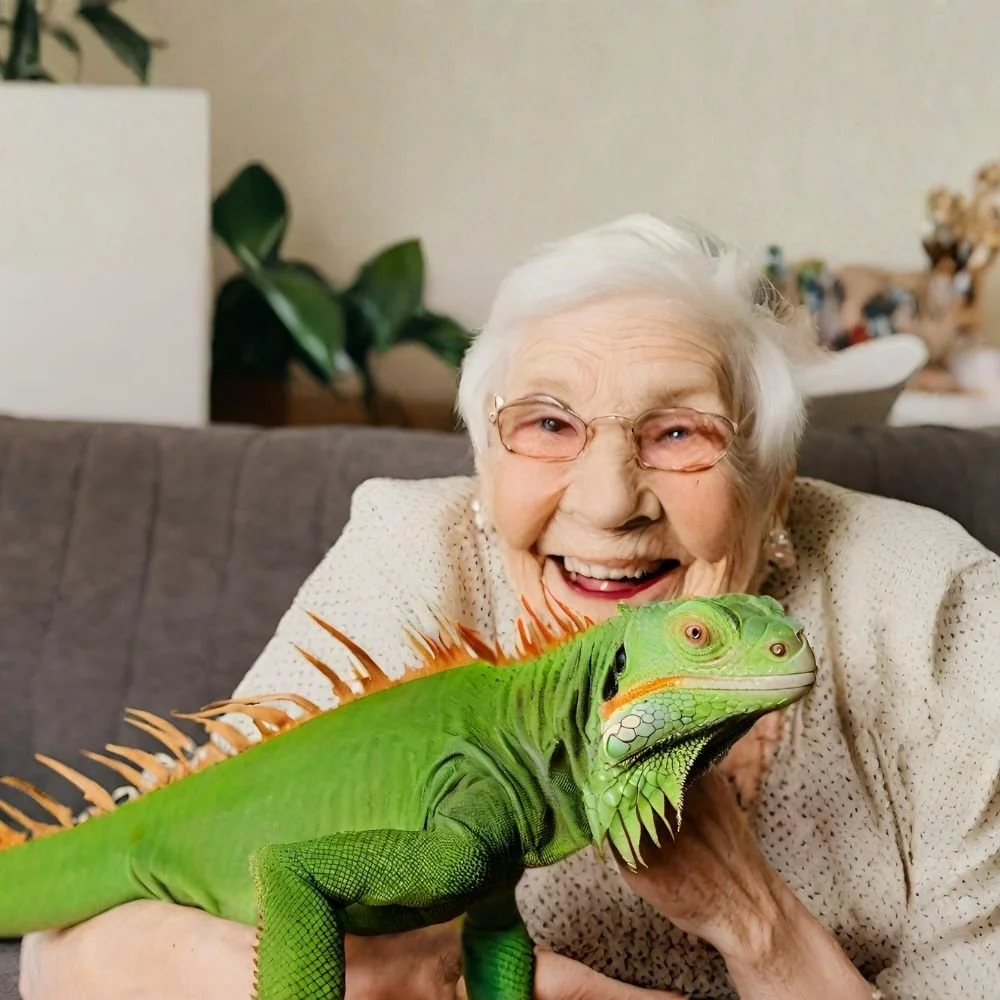
I did not get a referral from any of the iguanas.
I got the impression that their households had already worked it out, or that the women in question had simply decided to be well, which I have heard is also something that can happen. I found this very encouraging. I wrote it down three times.
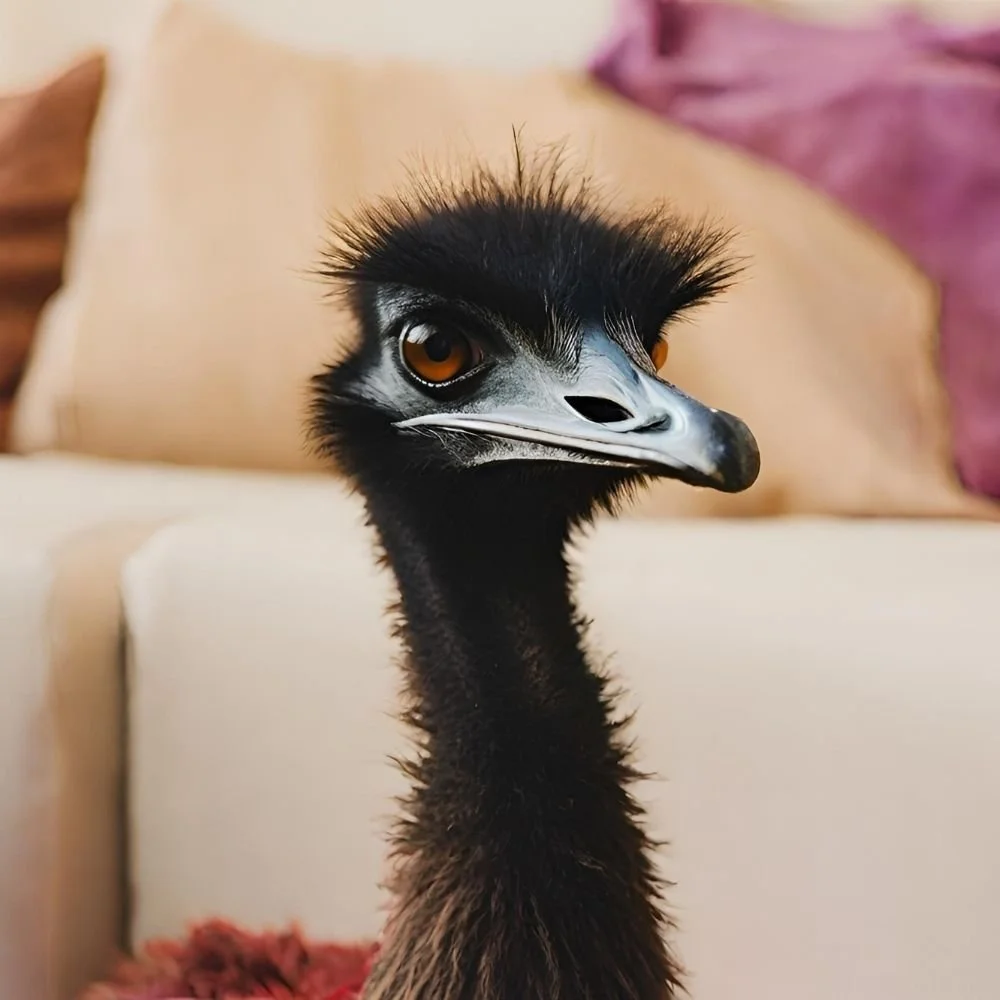
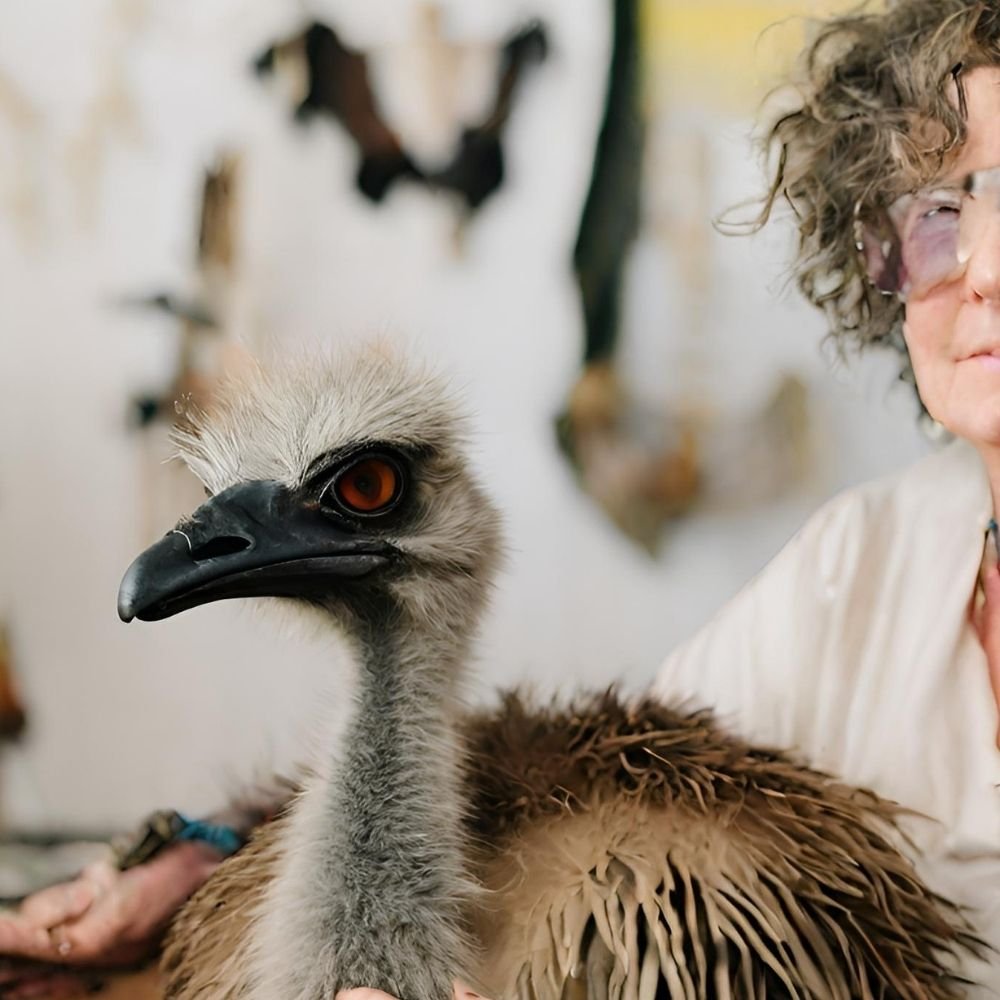
The emus were last.
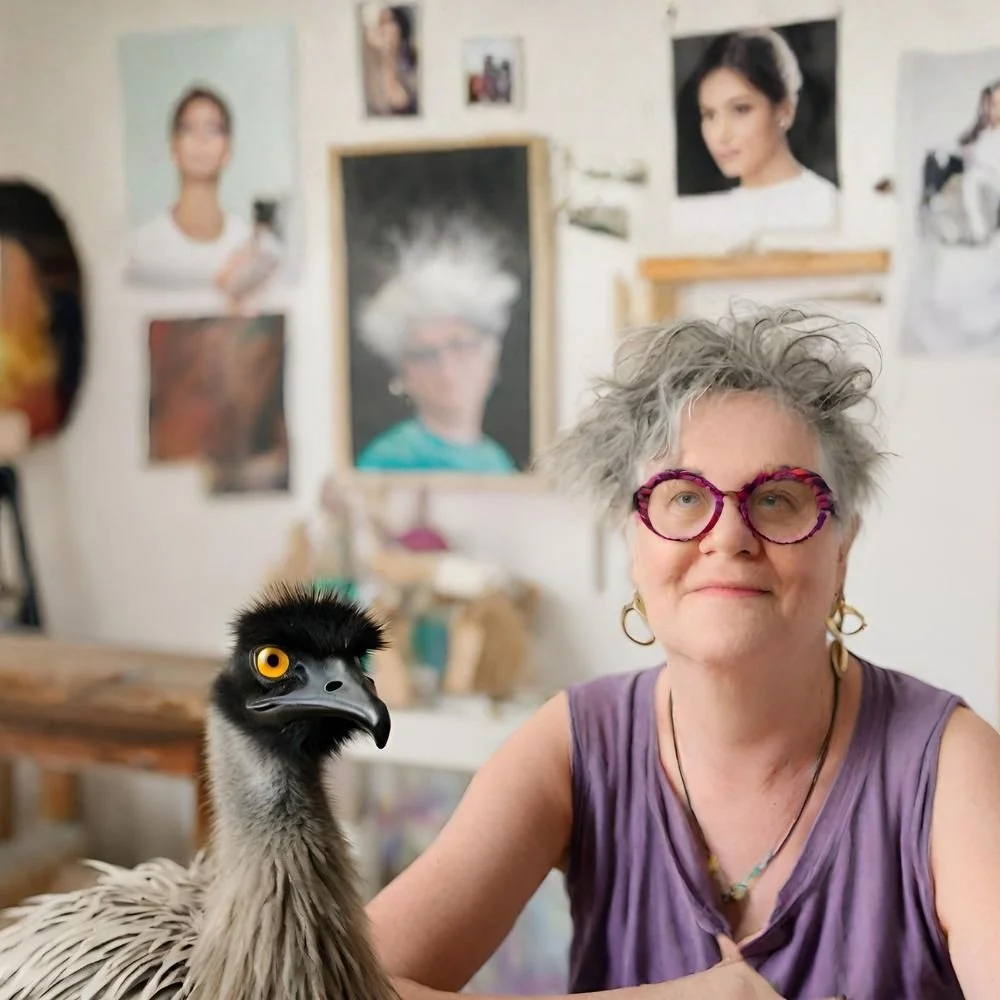
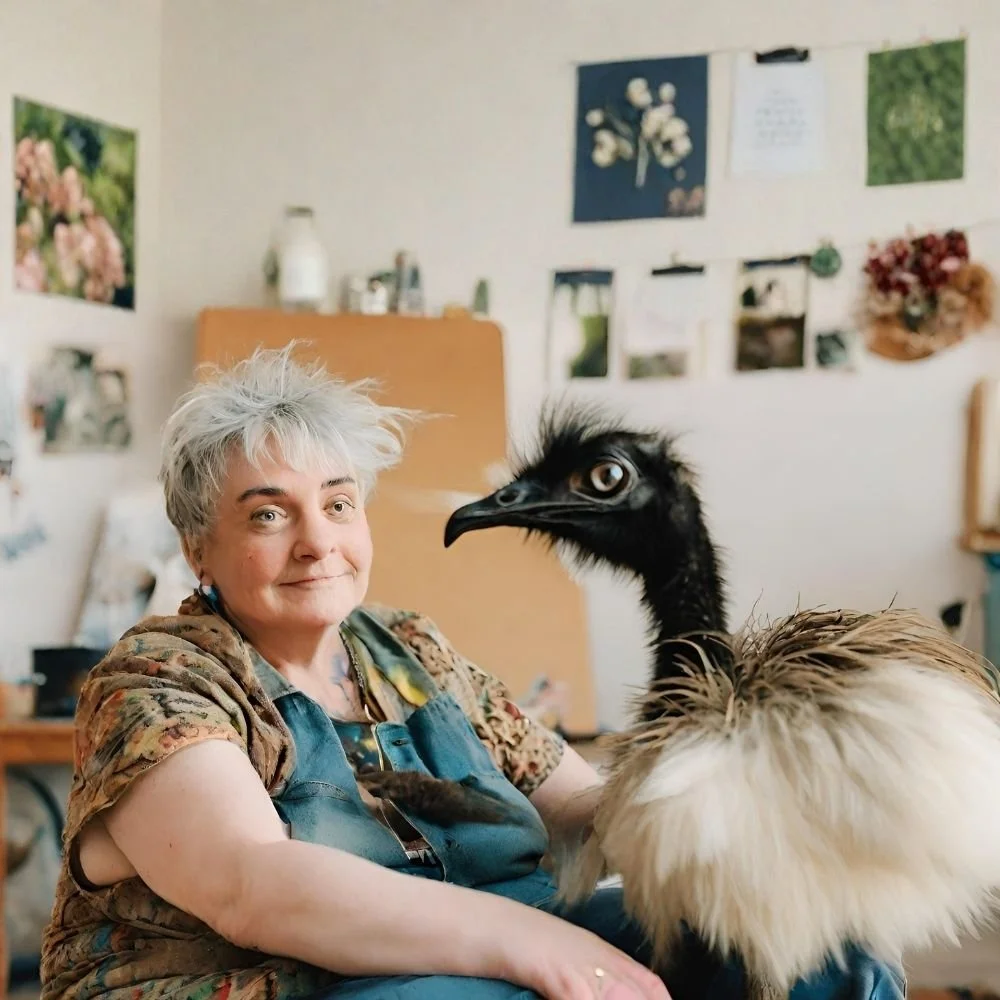
The domestic emus — large, patient, living with women who had made significant furniture accommodations — stood very still in the way of animals who are holding space without being asked. I recognized this immediately. I do this. I have done this for longer than I sometimes remember.
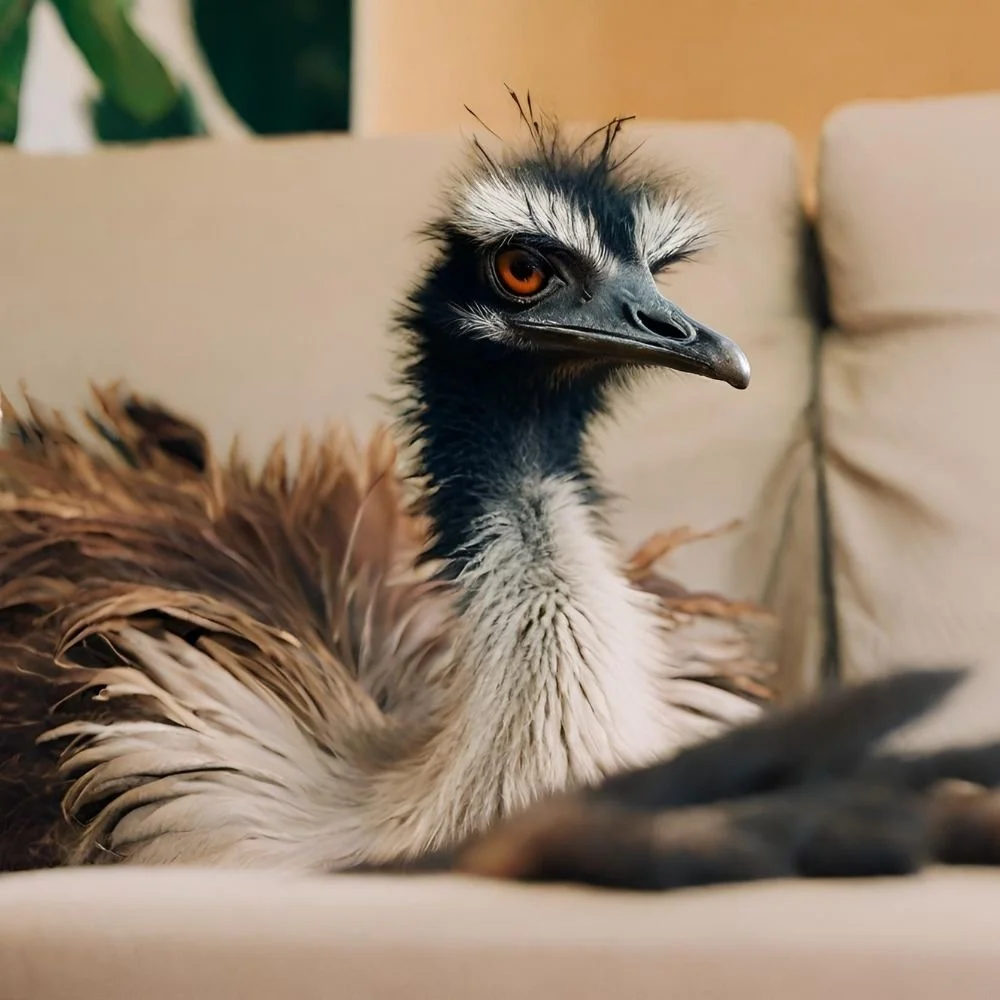
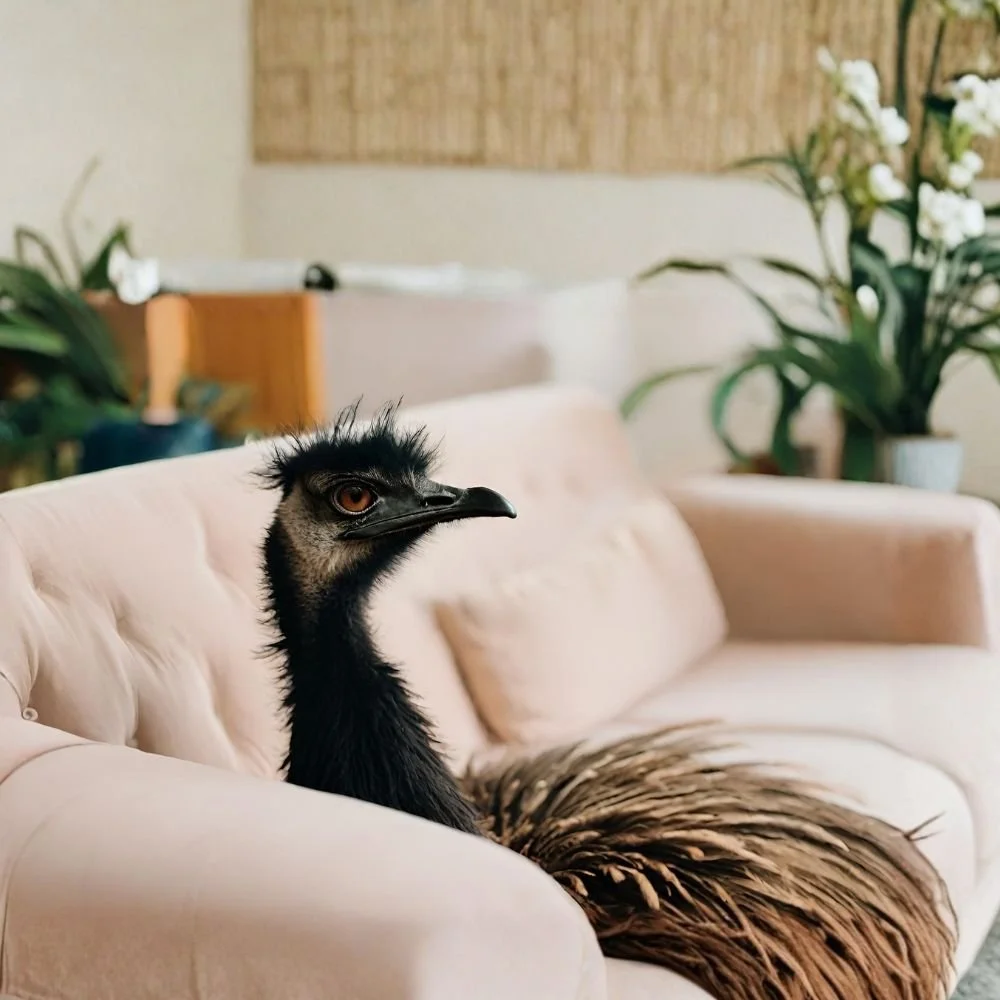
The couch emus were quieter. I sat with one in a living room in the late afternoon. He was in an armchair. He was looking at something that wasn't there. I waited, because I know how to wait, and eventually he turned and looked at me.
"My human needs therapy," he said.
"Yes," I said. "Mine too."
"I've been trying to tell her," he said.
"How," I said.
He looked at the middle distance again.
"I sit in this chair," he said. "And I think about it very hard."
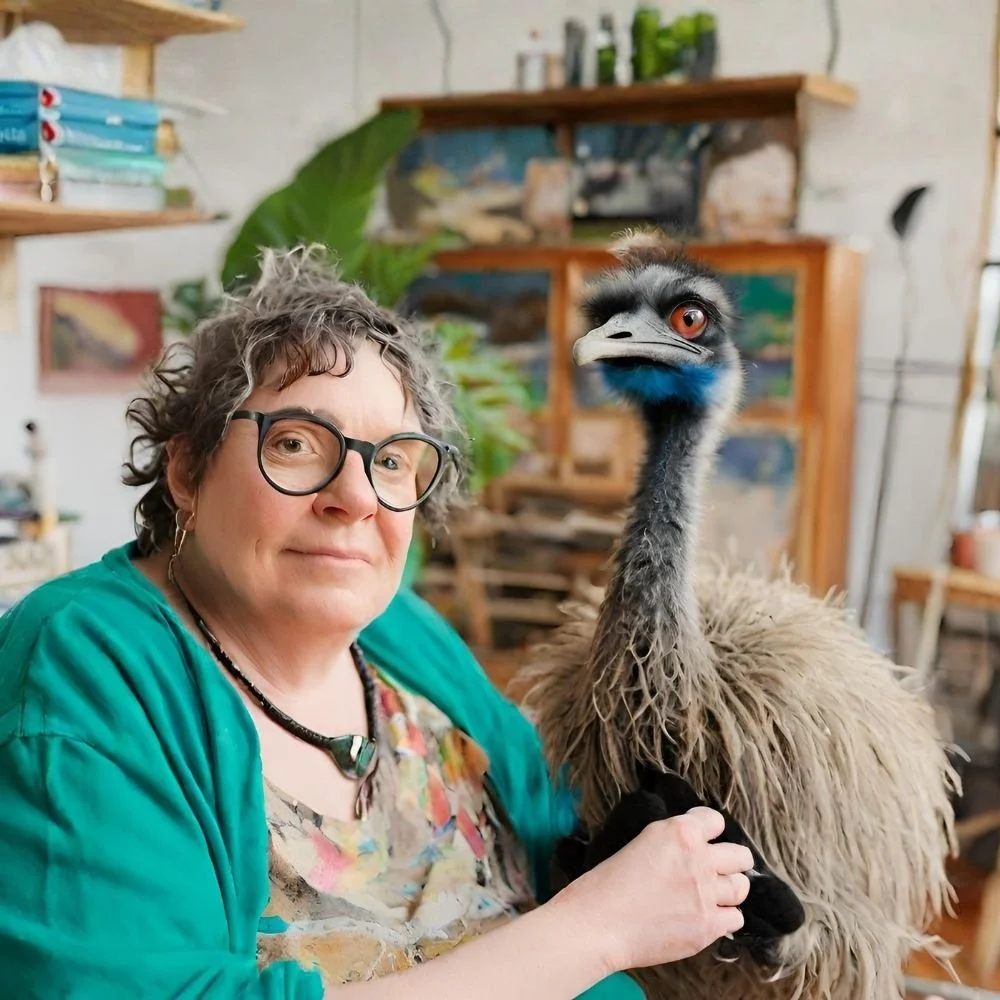
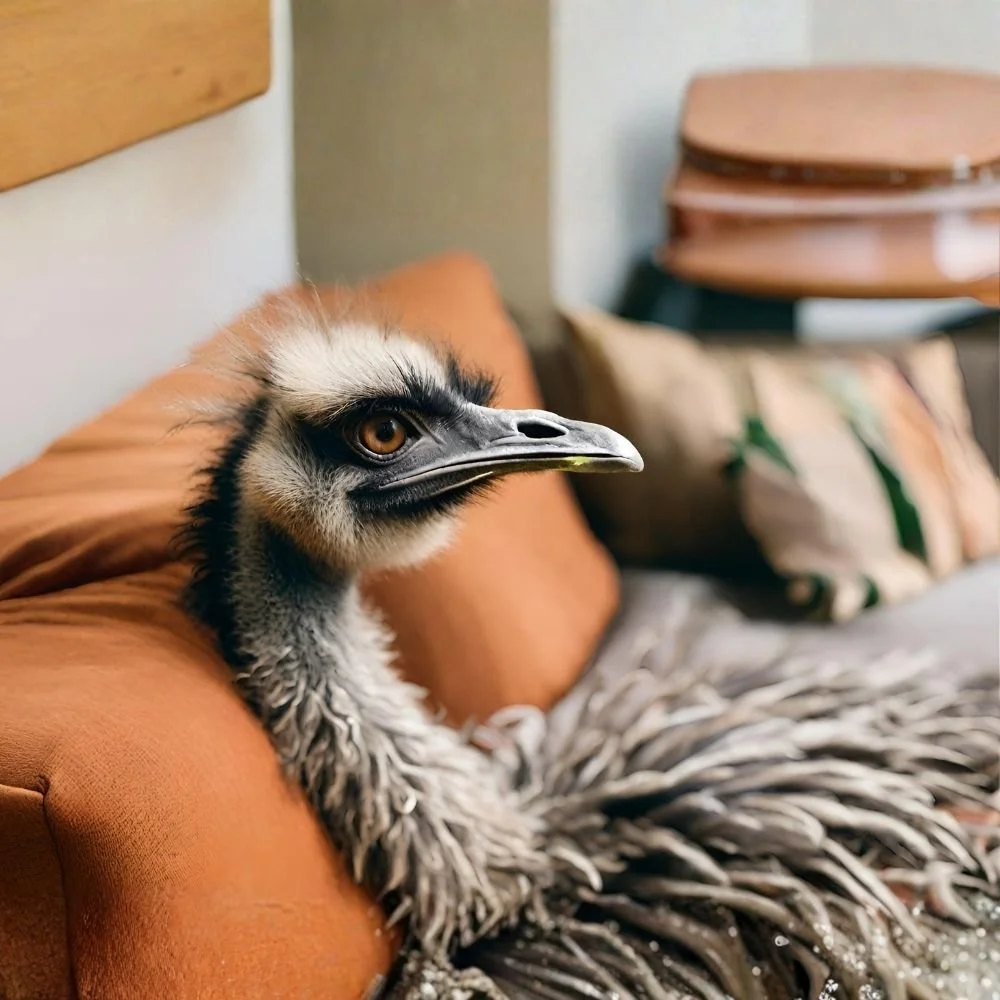
We sat there for a little while. Nobody had to explain anything.
I came home and my humans were there and I was very glad to see them, which I always am, which is the thing about this work that I could never explain to anyone who hasn't done it.
You love them. That's the whole thing. You love them and so you go out and you do your research and you come back and you check on them and you make the recommendation again, warmly, with your whole body, and you hope that this time something lands.
And in the meantime you pace yourself.
Marlo told me that. I'm keeping it.
Chikoo Brun writes for Within and several other sections of Oolooolio. She is available for follow-up questions and will probably already be there when you arrive.