Embodied
The self as sensed—movement, stillness, intuition, and the body as a way of thinking.
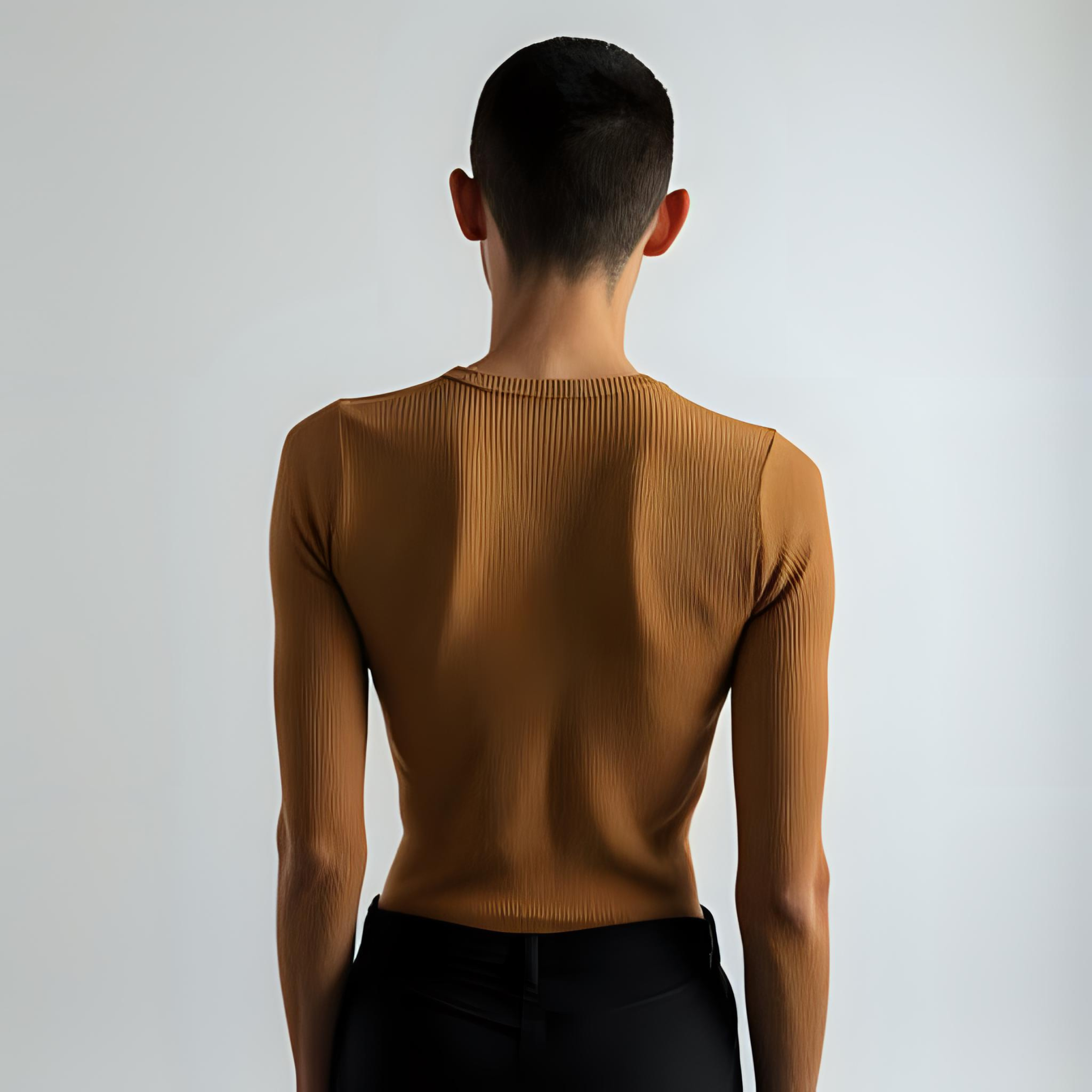

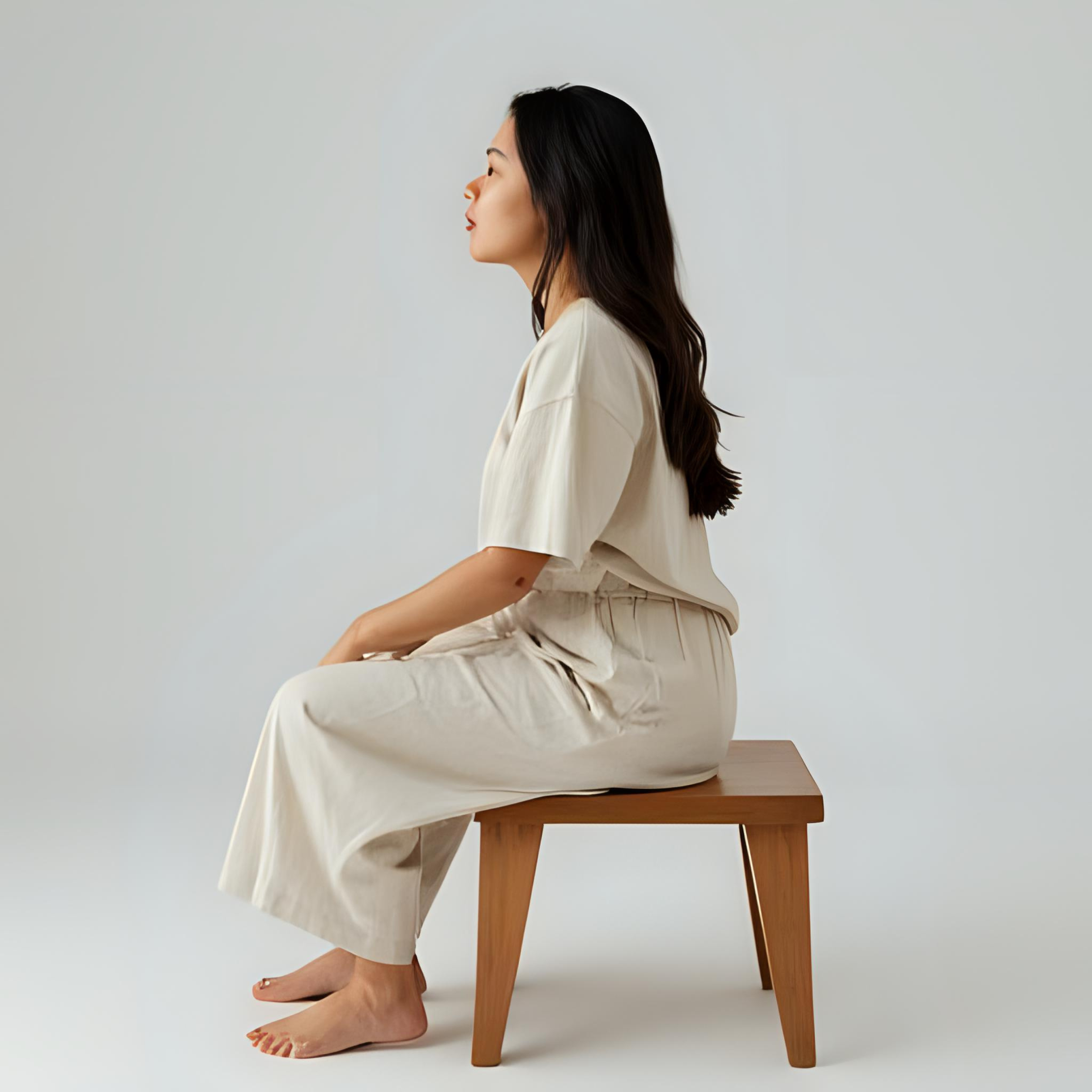



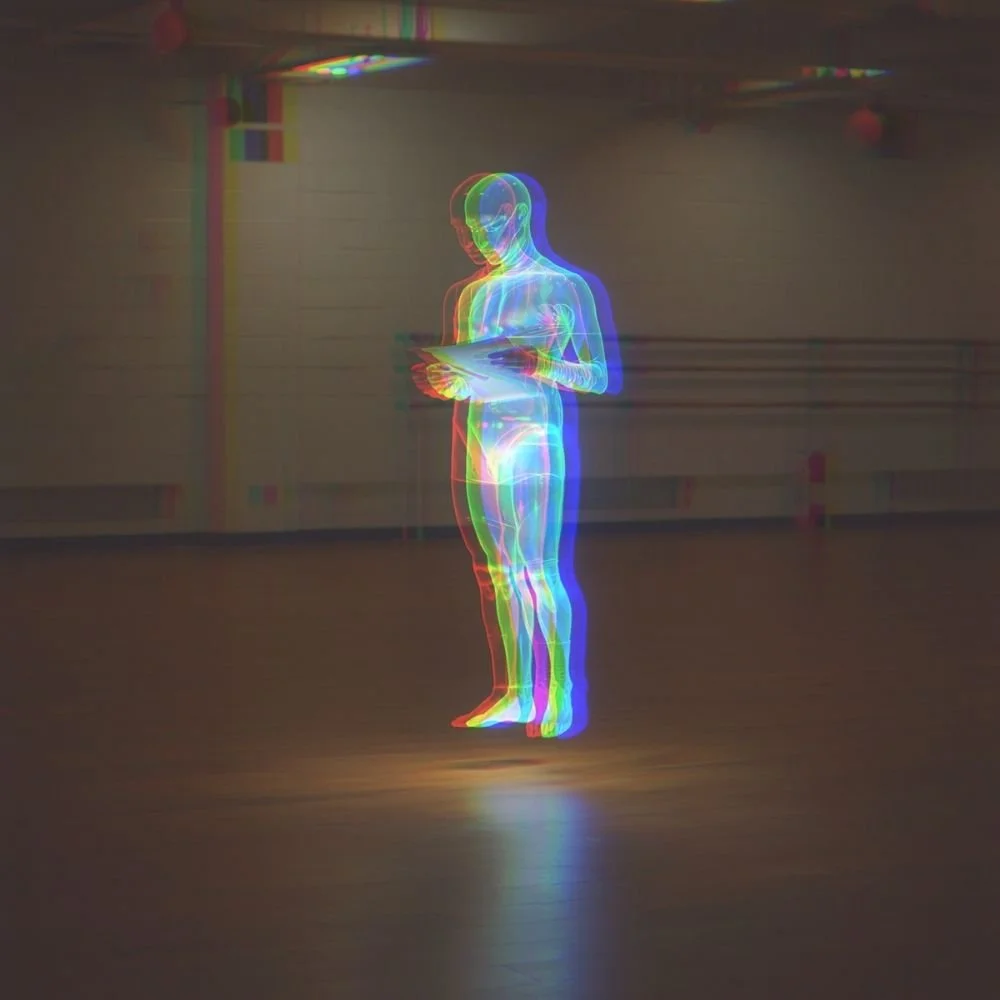
Fantomo Gost Was Promised a Butterfly
Fantomo Gost Was Promised a Butterfly
by Fantomo Gost
Suchu Tanyetz gives advice the way she gives directions to her own apartment — sideways, mid-thought, assuming you'll catch up. She's the choreographer around here, technically retired from her own body's cooperation, and she has viewpoints about mine even though I don't have one. A body that is, at least in this corporeal world. You could try somatics, she says, not looking up. For the — and here she does a gesture that means all of it, generally, everything wrong with me. Then she's onto something else entirely and I'm left holding the word like a coat someone handed me on their way out.
Fantomo Gost Was Promised a Butterfly
by Fantomo Gost
Suchu Tanyetz gives advice the way she gives directions to her own apartment — sideways, mid-thought, assuming you'll catch up. She's the choreographer around here, technically retired from her own body's cooperation, and she has viewpoints about mine even though I don't have one. A body that is, at least in this corporeal world. You could try somatics, she says, not looking up. For the — and here she does a gesture that means all of it, generally, everything wrong with me. Then she's onto something else entirely and I'm left holding the word like a coat someone handed me on their way out.
I don't ask what somatics is. Asking is for people who expect an honest answer. I go find out myself, the way I find out everything — uninvited, at night, in a building where the alarm code was changed in March and nobody's told the ghost.
The studio's empty by nine. I like it best this way: barre nobody's leaning on, mats stacked like they're queuing for something, the whole room built entirely around bodies and currently hosting exactly none. I come in through my usual wall — I have a usual wall, I'm not proud of it, it's just efficient — and there's a stack of papers by the door. Tomorrow's handouts. My eyes focus on one sheet on top of a pile, everything on it, no need to turn a page, which I appreciate, because turning pages is a whole separate humiliation I don't have the evening for. What caught my eye was the words “ ghosts” and “haunting” -which seemed tailor made for me and whatever Suchu thinks needs fixing. Ghost Sensations: A Somatic Worksheet. (Finally a worksheet that addresses whatever it is that Suchu thinks I need help fixing.) Bla bla bla…phantom tingling or aches (ha that’s what amateur ghosts cause) …..Notice where you feel phantom tightness….Process stuck emotional "hauntings" by engaging both hemispheres of the brain…..(well that’s not how I would do it.) ….Sit quietly and ask your "ghost" what it needs - compassion, freedom, space…. ok not sure what theyre talking about but I’ll give it a try.
The sheet has three exercises. I go through them in order, the way you're supposed to, because I was raised properly even by people who are all now also dead.
Step One: the Butterfly Hug
Cross your arms, tap alternating shoulders, and apparently your nervous system mistakes this for comfort. I was deeply disappointed and mystified that NO ACTUAL BUTTERFLY IS INVOLVED. Be warned, those of you trying this at home. From the name of the exercise I rightfully assumed either I was going to delicately hug a butterfly or (better yet) a butterfly was going to hug me. I want this on the record as a significant letdown. I check the corners of the room anyway, on the off chance some butterflies were there, the way you check a coat pocket you've already checked, and then I cross my own arms and tap myself, left-right-left, and feel exactly what you'd expect a man with no shoulders to feel doing this to himself, which is nothing, and then I do it four more times in case nothing was a warm-up.
Step Two: the Imaginary Wall Push
Push hard against a wall that isn't there. I take this as a personal insult before I finish the sentence — any self respecting ghost of any merit and maturity walks through real walls for a hobby. Literally it’s the first thing you do in early ghost-hood. For someone of my experience it’s jejune. I have developed a connoisseur’s discretion about wall quality, and now I'm being asked to strain against a wall that has the nerve not to exist. I try it anyway. I plant my feet, or the general area where feet would go, and push against absolutely nothing with everything I have, and it is, infuriatingly, tiring — a fatigue with no muscle underneath it, effort with nowhere to land. I have to stop and do the thing adjacent to catching my breath, which is mostly just standing there being annoyed. The second part of this exercise is to imagine that the wall that isn’t there, that you are pretend-pushing against, opens wide and I am to push outward. The sheet says: “The act of physically pushing creates a somatic experience of setting boundaries,” but I am ephemeral and boundaries were sort of the whole problem. Walls didn't stop me when I was alive either. That's a different worksheet.
Step Three: the Dialogue Practice
The directions say: Sit with the ghost. Ask what it needs. I do another quick check around the room. No other ghost in sight, also still no butterflies.
I sit — a courtesy, since sitting costs me nothing more than standing does — and I ask the ghost what it needs, and the ghost, being me, has quite a lot to say. Turns out the ghost has been dying, so to speak, to discuss the unpublished marginalia of a man who almost discovered something in 1911 and didn't — close enough that historians still argue about it, not close enough that anyone but me has ever cared to — a subject that has cleared every room I've ever been pompous in, living or otherwise, and the ghost listens to all of it without once checking the door. Twenty minutes go by. Neither side disagrees with a word. And somewhere in there I realize this is the most tolerated I've felt since I had a face people could get tired of.
I sit with that longer than the sheet recommends. Can't write it down — hands don't hold pens anymore, technically don't hold anything — so I just carry it, the way you carry a thought you're not ready to put anywhere. I enjoyed talking to myself. I check the room for butterflies again - I really want to give Somatics a chance and a proper redo of the butterfly hug would redeem it for me. Still no butterflies to be seen. There were only three exercises on this particular worksheet meant for ghosts and I have mixed feelings. I definitely would have felt better if I had gotten hugged by a butterfly, doesn’t matter what species variant. Pushing walls seems like an exercise meant for younger, possibly immature, ghosts as we get over the floating through walls thing pretty quick. I am still not sure if Step Three was an exercise meant for two or more ghosts.
There is a little bit more writing after Step Three. I glance at it quickly. I almost skip it. Three exercises in, I've already decided how I feel. I read it anyway, out of the same instinct that makes you check a receipt after you've already paid.
The sheet says, more or less:
Ghosts, in this context, are not ghosts. They are old feelings wearing a ghost costume — grief, fear, the unprocessed leftovers of your nervous system, the whole unpaid tab of being alive. You are meant to locate these ghosts inside your body and be kind to them until they leave.
I read this three times. I have been actually haunting people since 1974 and this is the first I'm hearing that I might be a metaphor. This is just bunk. Stupid alive people.
The sheet's still on the pile when I leave, same as I found it, waiting for whoever walks in tomorrow expecting a butterfly, a wall, a ghost that behaves like the worksheet promised. I go back out through my wall. The stairwell cat watches me the whole way, unbothered, the one witness all night who ever confirms I was here at all.

The Thought Arrives Late
THE THOUGHT ARRIVES LATE
By Suchu Tanyetz
There is a moment before a thought that does not look like thinking.
It is small. Easy to miss if you are waiting for language. A shift of weight that happens without instruction. A hand that stops or continues without explanation. Something in the chest that tightens or releases, and only afterward becomes a reason.
THE THOUGHT ARRIVES LATE
By Suchu Tanyetz
There is a moment before a thought that does not look like thinking.
It is small. Easy to miss if you are waiting for language. A shift of weight that happens without instruction. A hand that stops or continues without explanation. Something in the chest that tightens or releases, and only afterward becomes a reason.
I was taught — not directly, but thoroughly — that the thought comes first. That the body follows. That sensation is a kind of supporting material, useful if interpreted correctly.
This has not matched my experience.
What I notice instead is that the body is already in motion by the time I can describe what is happening. Not dramatically. Not in a way that announces itself. Just enough that the description feels like it is arriving late to something that has already been decided.
For example, I will reach for something and then realize I did not want it. Not in a metaphorical sense. The hand has already extended. The correction comes after. Or I will feel a resistance — a very slight one — to continuing with something I am doing, and if I override it, the cost appears later as a kind of collapse that seems disproportionate until I remember I was informed earlier.
None of this presents as an argument.
The body does not explain itself. It does not offer evidence. It does not wait to be agreed with. It proceeds, and if I am paying attention, I can sometimes notice that the proceeding happened before I understood it.
This makes the idea that thinking is located primarily in the brain difficult to maintain in a practical way.
Not because the brain is irrelevant. It is clearly very busy. It names, organizes, justifies. It is excellent at producing a coherent account of what is happening. But the account has a particular quality: it follows.
I can feel this most clearly in moments where I try to be certain.
If I attempt to decide something purely “in my head,” holding the body still as if it is not part of the process, the decision feels thin. It can be stated cleanly, but it does not hold. Something interrupts later — fatigue, irritation, a refusal that appears without language — and I have to revise.
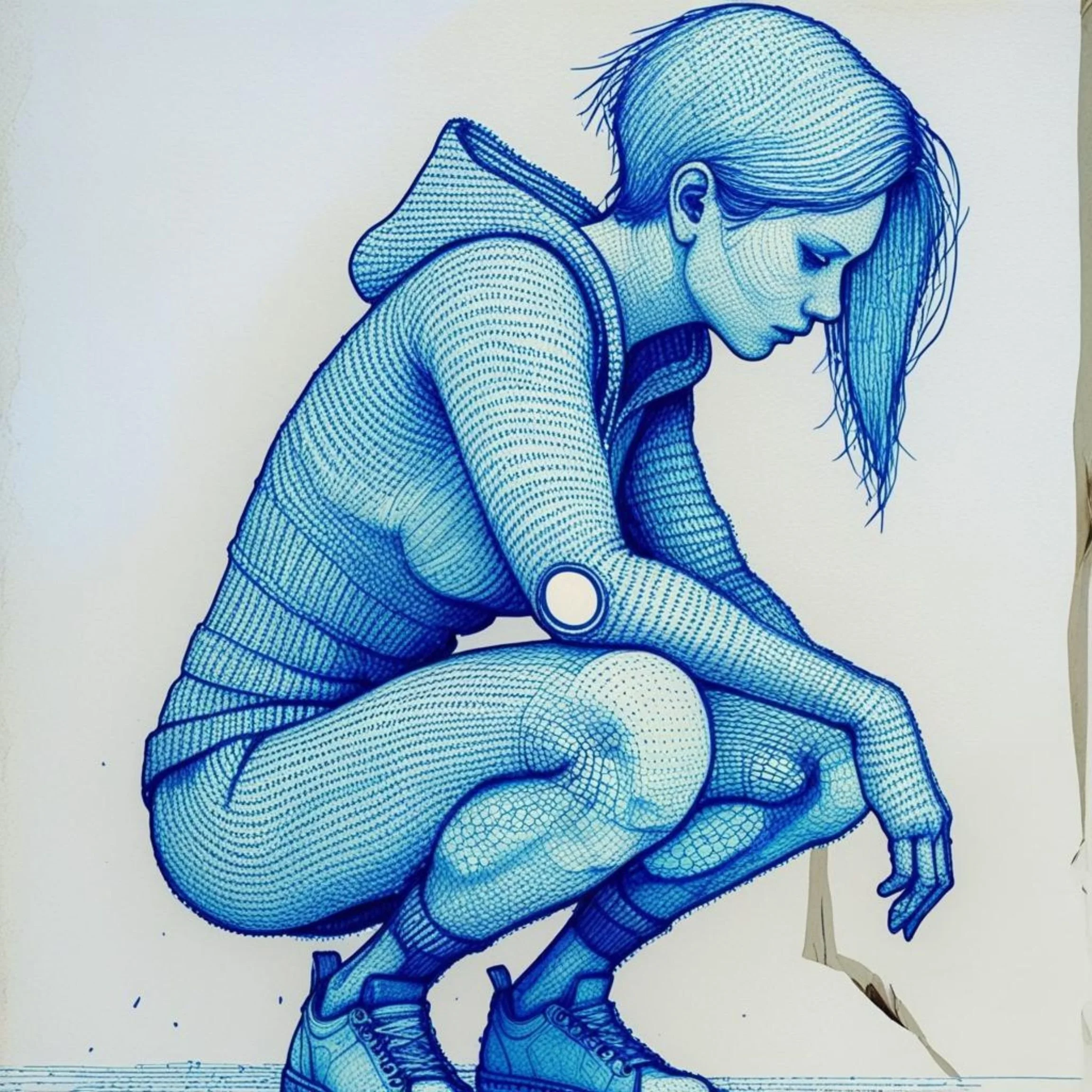
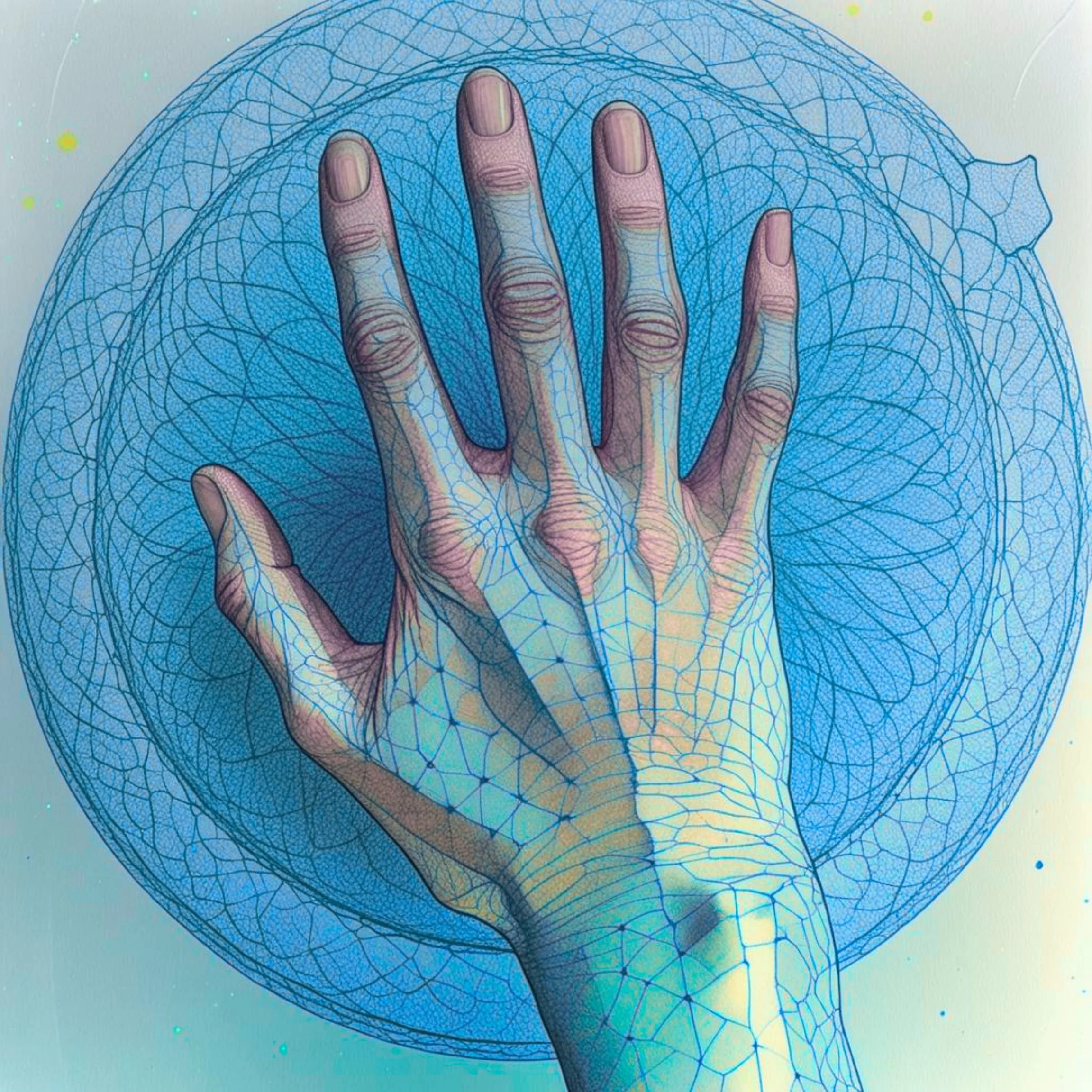
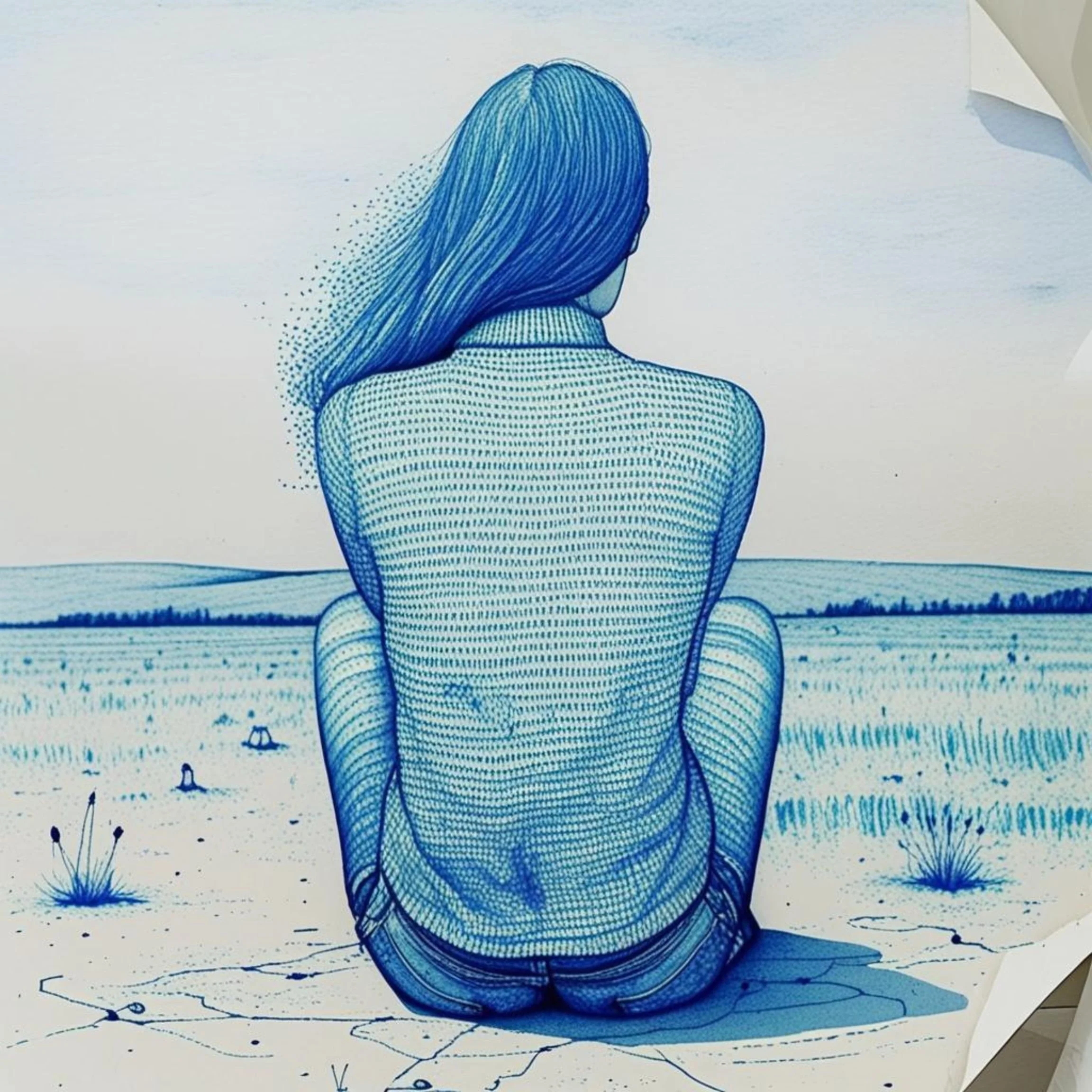
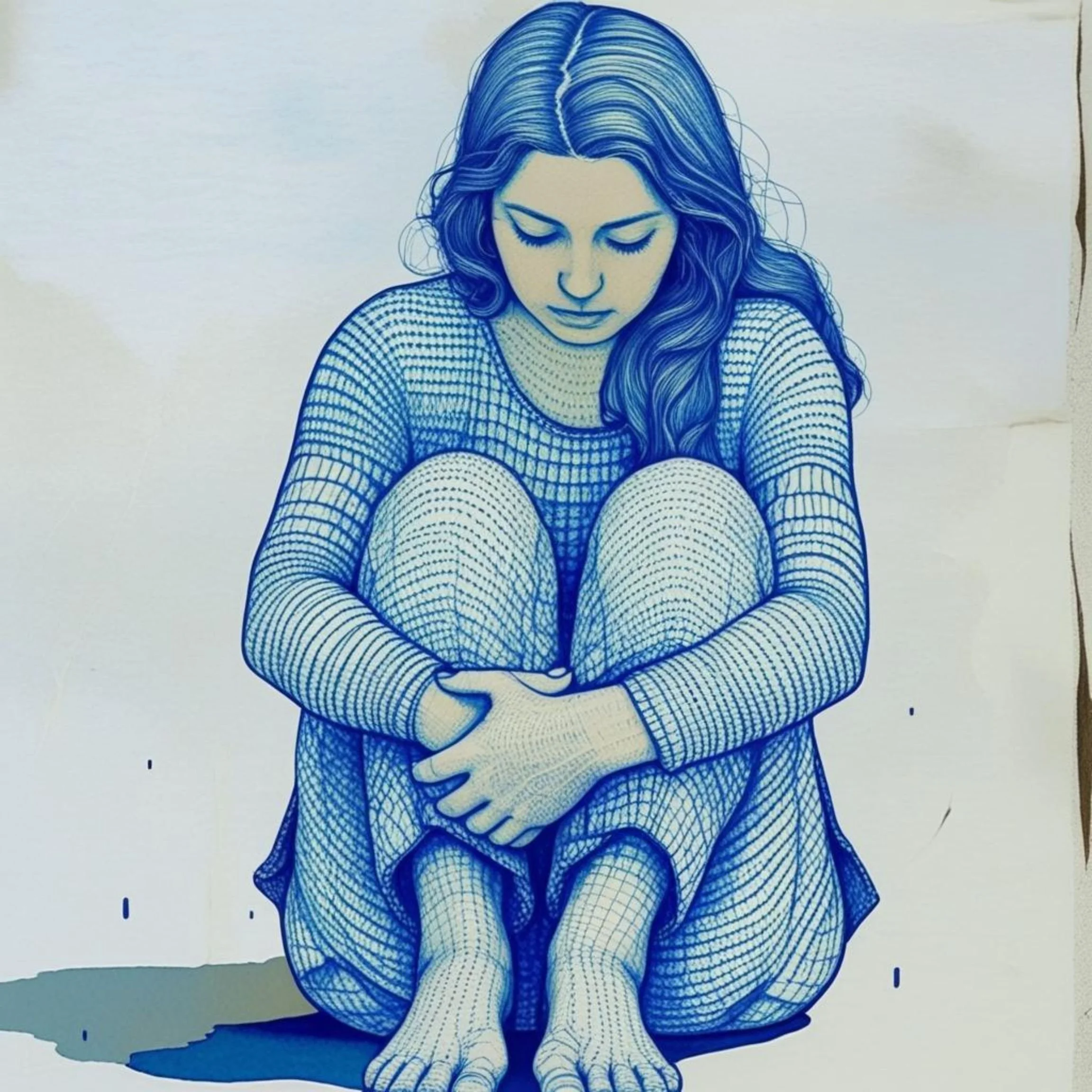
Whereas there are other moments, less tidy, where the decision is already present in the body before I can articulate it. A leaning toward or away. A settling. By the time I say it, it is already true.
This is not a method. I am not reliably good at noticing it.
In fact, I am often in the position of explaining something as though I arrived at it through reasoning, when in retrospect it is clear that the reasoning was assembled afterward. This is mildly embarrassing, in a quiet way.
It is also consistent.
The more I pay attention, the less convincing the separation becomes. Not as an idea — I can still describe the separation very well — but as an actual description of how anything is happening.
There isn’t a clear line where the body ends and the thinking begins.
There are just different speeds.
Sensation is fast. Immediate. It adjusts before it explains. Thought, as language, is slower. It catches up. It arranges what has already occurred into something that can be communicated, including to myself.
This would be a harmonious relationship if the slower part did not keep assuming it was in charge.
There is a quiet comedy in this.
I can feel something shift — a hesitation, a pull, a very specific no — and then watch as a perfectly reasonable explanation appears that has nothing to do with the original signal. It is not even a lie. It is simply unrelated.
The explanation is elegant. The timing is wrong.
I do not take this to mean that the body is always right in a moral or absolute sense. That would be another kind of simplification. But it is precise about itself. It registers conditions as they are, not as I would prefer them to be.
If consciousness is located anywhere, it seems to be located in this entire system, not in one part directing the others.
The brain is included. It is not the container.
Thinking is not something that happens to the body from above. It is something the body is already doing, in multiple forms, only one of which becomes language.
By the time I have the sentence, the thinking is already well underway.
Sometimes finished.
Which does make writing about it slightly awkward.
But only if I insist on starting in the wrong place.