The Body Of The Moment
The Body Of The Moment
Nepher Roux
There is a particular quality to arriving in an era just as it has finished deciding what a body should be. A collective exhale. The question has been answered, at least temporarily, and everyone is grateful to stop asking it.
I have arrived into a great many eras. This is always how they feel.
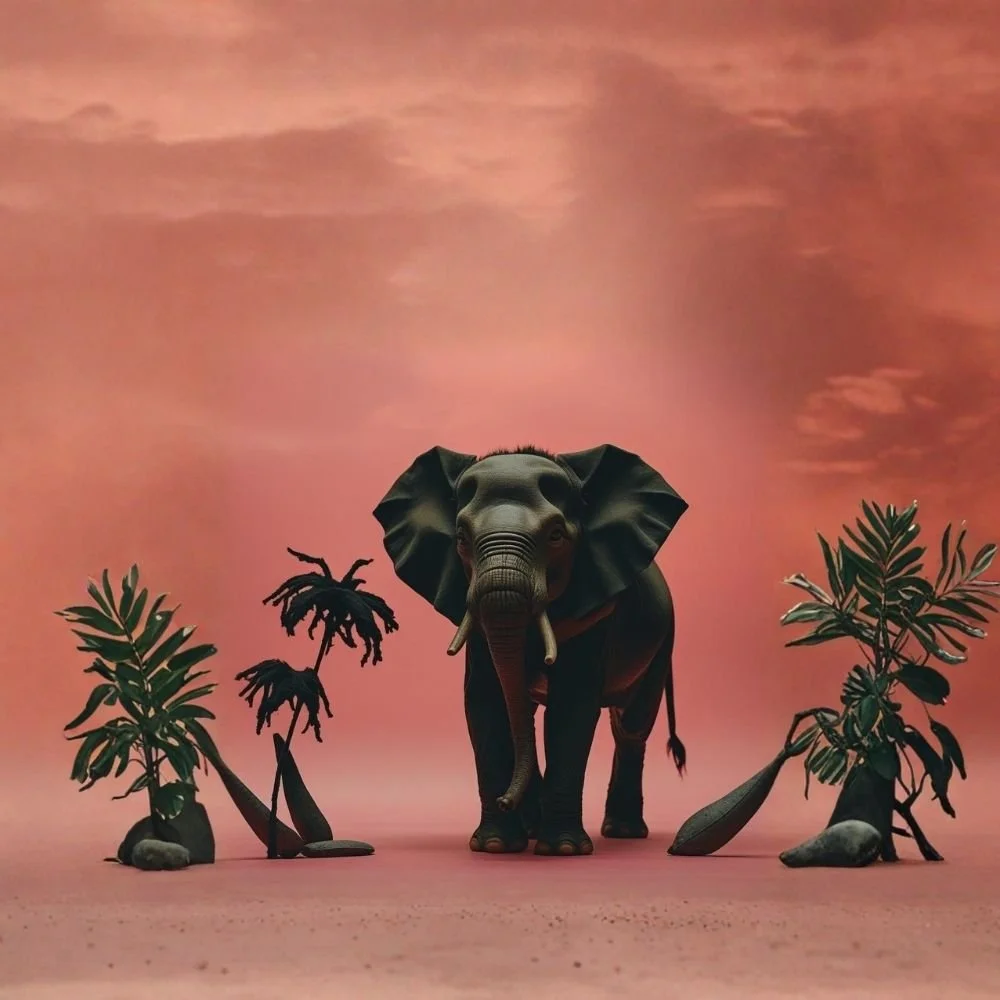
On Sicily during the Pleistocene, there lived an elephant that stood approximately one meter at the shoulder. Its ancestors had been among the largest land animals on earth. On the island, with limited resources and nowhere particular to go, the lineage solved for what Sicily required and the solution was: become a dog-sized elephant. On an island, food sources are finite and fixed. A large body requires enormous resources to maintain; a smaller one survives on less, reproduces more reliably, and outlasts the animal that kept insisting on its original dimensions. Smallness, under these conditions, is not a failure of ambition. It is the correct answer to a resource problem, arrived at over generations with complete biological commitment.The Cypriot hippopotamus performed a similar calculation and arrived at four percent of its ancestral mass. In a landlocked lake in Iceland, a fish that was technically the same species as its ocean relatives became, over generations, a smaller and more conservative animal entirely suited to landlocked Icelandic water. None of these animals failed at anything. Each one solved a specific and temporary problem completely.
This is what optimization looks like. It is local. It is total. It has no relationship to any previous or subsequent version of the animal.
Human bodies follow the same logic. They simply move faster and make considerably more noise about it.
I was in post-plague Europe when fertility became the dominant aesthetic — fullness read as survival, survival read as beauty, and the body that had clearly eaten enough was the one held up as correct. The Renaissance body, which I watched being painted with great seriousness by men who believed they were recording something permanent, was the body of abundance, of safety purchased from the very recent memory of mass death. I was present for the industrial era's romance with fragility — the long pale neck, the body that had visibly never performed manual labor, elegance as proof of removal from necessity. I watched the twentieth century cycle through its verdicts at remarkable speed: the hourglass, the waif, the athletic, the aggressively curvaceous, each one announced as an arrival, none of them permanent.

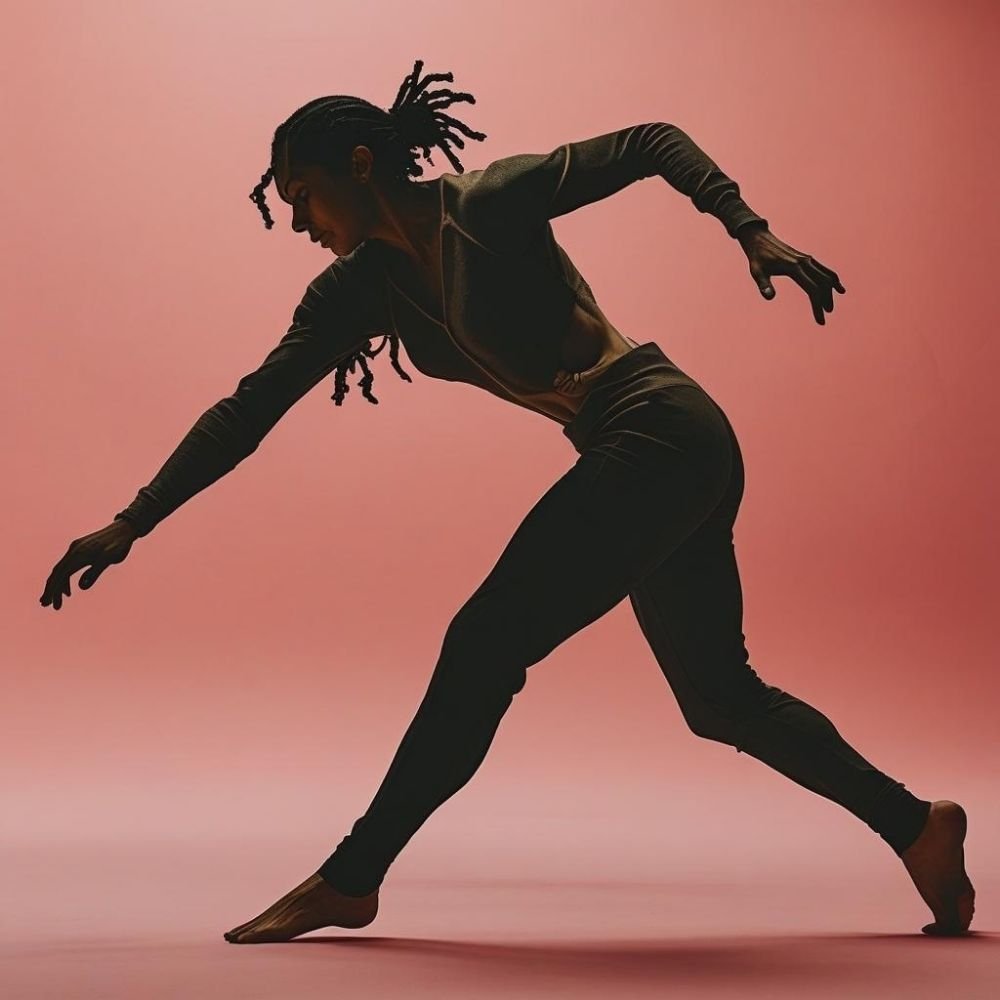
The current ideal, if someone were painting it today, would show a lean angular frame with visible muscle definition — deltoids, triceps, the sharp line of a collarbone — low body fat over sculpted tissue, the particular look of a body that is both minimal in size and demonstrably worked. It is a deeply contradictory aesthetic, demanding thinness and strength simultaneously, which is perhaps why it requires such effort to maintain. Every era's ideal requires exactly as much effort as that era can be convinced to spend.
I have been further forward than I typically discuss in public settings. What I will say is that the body considered ideal in certain future periods is lighter than the current one — carried differently, less mass overall. The hands are remarkable: long, fine-boned, articulate fingers that in several previous eras I visited would have indicated either aristocracy or illness depending on the century and the continent. In those future periods they indicate something else, something I found genuinely beautiful in the way I find most aesthetic solutions beautiful — as a form of argument, as a symptom of what those people needed to believe about themselves and their moment.

The current ideal, viewed from that distance, reads the way the Sicilian elephant reads now. A complete solution to a specific problem. The problem will change. The solution will change with it. The lake fish and the ocean fish are technically the same species and would not recognize each other as such.
The optimization is always real. The target has never been permanent.